Motorcycle Accident Causes: An In-depth Analysis
 Ava Thompson |
March 25, 2026 |
12:06 pm
Ava Thompson |
March 25, 2026 |
12:06 pm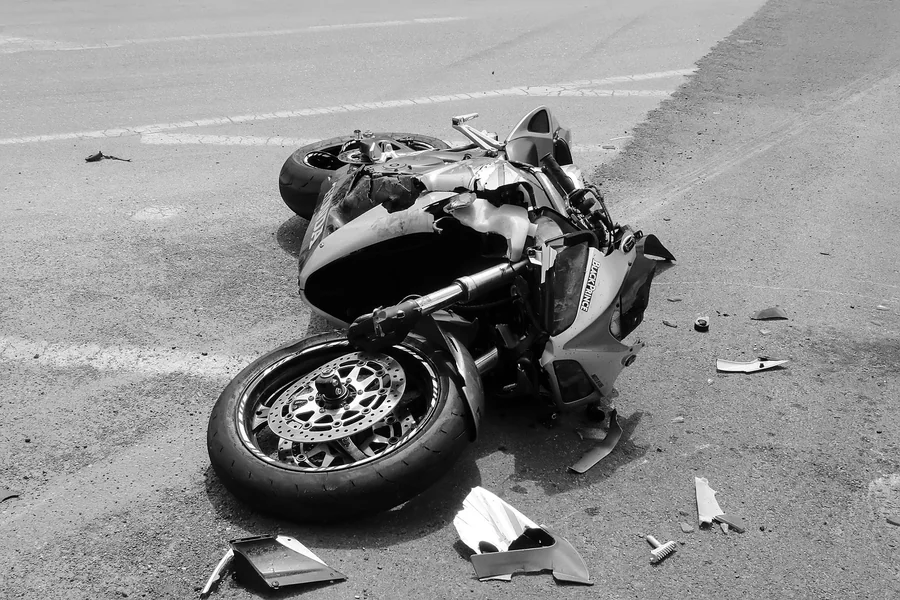
The accident of motorcycles is one of the topical issues of the global community and it is likely to cause serious injury or death since the person is exposed and has little protection. The knowledge on Motorcycle Accident Causes is a necessity not just to the riders but to motorists, policy makers, and safety promoters. Understanding the root causes behind these occurrences, the stakeholders would be able to develop substantial measures to minimize risks and improve road safety.
The Vulnerability of Motorcyclists
Motor driven bikers are never safe as compared to those in closed vehicles. Motorcycles do not have protection mechanisms like airbags, seatbelts, and flexible frames that are available in cars. This is a weakness such that even slight collisions would lead to severe outcomes. Moreover, motorbikes are smaller and less conspicuous making them probable to be ignored by other motorists especially during rush hours or in low visibility.
Driver Negligence
- Numerous incidents happen due to the inability of most drivers to notice motorcycles in case of lane switching and turning. This is said to be a looked-but-failed-to-see error. Diversions like use of mobile phones, in-car systems or even fatigue have a significant negative influence on the awareness of a driver.
Reckless Driving and Speeding
- High velocity is also an important aspect in most accidents in motor cycles. Blistering speeds decrease the capacity of the rider to respond to impulsive hurdles and amplify the impact of the accidents. Risky demeanors like dodging in traffic jams, attempting maneuvers or neglecting traffic lights increase the exposure even more.
Environmental and Road Conditions
The road condition is an important issue in motorcycle safety. Motorcycles unlike cars are more sensitive to any surface irregularity.
Poor Road Maintenance
- Even minor challenges that will be irrelevant to a motorcycle can make the rider lose balance.
Weather Conditions
- Strong winds, rain, and fog are known to have a big impact on the handling of the motorcycles as well as their visibility. Wet roads are known to minimise the traction of the tires that may prone the road user to skid. Strong fog and thick rain are also reducing visibility and it is even difficult to spot other riders as well as drivers.
Mechanical Failures
- In the same way mechanical problems may cause accidents although they are not prevalent as human error. In case a motorcycle is not maintained, vehicle brake failure, tire burst, and engine problems may happen. Conscientious checkups and observance of maintenance plans must be done to keep in check that everything is working well.
One of them, in specific, is tire condition. Tires that are damaged or have passed their due date lose traction and stability particularly when they are turning a corner or braking.
Lack of Protective Gear
Helmets, gloves, jackets, and safety footwear are made such that they reduce injuries caused in an accident. Research always demonstrates that helmet wearing has a drastic effect of decreasing the amount of accidental head injuries and death.
The riders who still fail to use protective gear will more likely end up with serious results even in accidents which are not at high speeds.
Impaired Driving
Drunken or under the influence of drugs driving is a significant contributor to motorcycle accidents. Impairment will influence reaction timing, coordination as well as judgment, which are essential in safe riding.
A lot of concentration and balance is needed by motor cyclists. These abilities can be greatly affected even by small portions of alcohol, and it is feared that it is unsafe to drive a motorcycle. Likewise, impaired motorists driving the other vehicles will not be able to notice the motorcycles and consequently they will not be able to respond properly to such motorcycles leading to high chances of accidents.
Visibility Issues
The issue of visibility is a theme in motorcycle accidents. The size of the motorcycles makes them easy to fall into the blind spot of a vehicle.
Blind Spots
- Drivers can do the change of lanes without checking blind spots and this may result in a collision. Motorcyclists are required to be proactive so they will be seen more visibly.
Low-Light Conditions
- Night accidents or those that occur in the first and last hours of dawn or evening are more frequent as the eye cannot see much.
Preventive Measures
The solution to the problem of motorcycles is not only in personal responsibility but also in the enhancement of the system.
- Education and Training: The riders are to be educated during formal training to obtain the necessary skills and knowledge on hazards.
- Defensive Driving: Motorcyclists as well as drivers must know defensive skills and they should be able to predict the danger.
- Periodic Servicing: Mechanical failure can be avoided by ensuring that motorcycles are in good condition.
- Infrastructure Betterments: Governments are to invest in the availability of more road maintenance and of infrastructure that allows motorcycles.
- Public Awareness Campaigns: Making drivers understand how to share the road with the motorcyclists can achieve this.
Conclusion
Accidents involving motorcycles can hardly be attributed to one cause and always occur as a consequence of human error, environmental factors, mechanical problems and visibility. With an awareness of such reasons, individuals and communities can take some proactive measures to ensure better safety and minimization of the number of accidents.
Legal advice and counseling can also be important to the victims who have suffered such cases. To those desiring a hands-on experience on dealing with the intricate issues relating to filing motorcycle accident claims, some companies, such as Cain Law, offer excellent services and representation ability so that victims have the satisfaction they rightfully deserve.