Making Travel Marketing More Measurable with QR Codes
 Johnathan Parker |
August 27, 2026 |
11:45 am
Johnathan Parker |
August 27, 2026 |
11:45 am
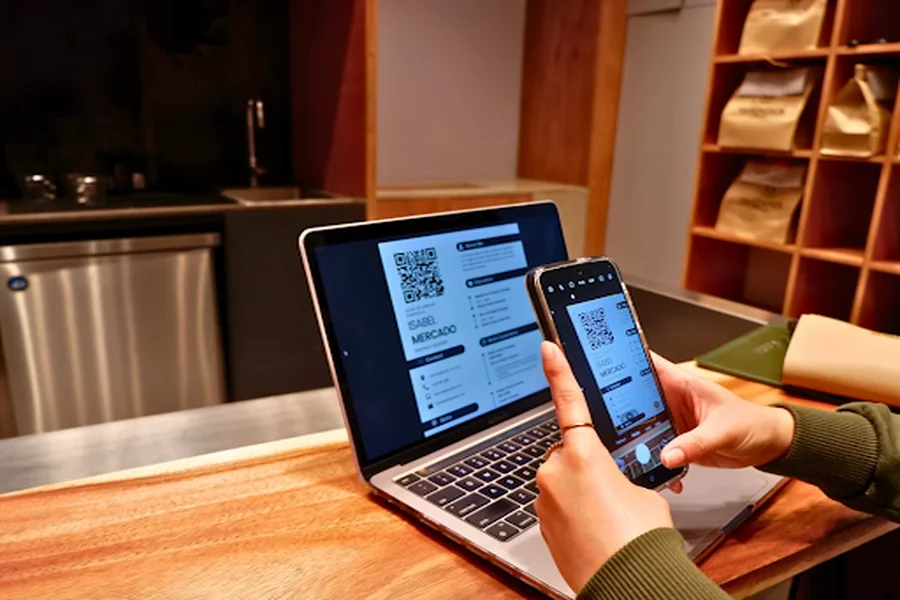
Travel marketing still relies heavily on printed brochures, posters, tickets, maps, and event materials, yet their impact can be difficult to measure. By adding an UTM QR code generator to campaign planning, tourism teams can connect offline materials with trackable digital visits and understand which placements attract attention. This turns a simple scan into useful campaign data without changing how travelers interact with physical media.
Connecting Travelers with Digital Experiences Through QR Codes
A strategically placed QR code can lead travelers from a printed touchpoint to booking pages, destination guides, maps, event schedules, or limited-time offers. Instead of filling a brochure with long URLs, marketers can provide a direct route to content that is easier to update and explore on mobile devices.
For international campaigns, a QR code generator can also support different destinations for different materials or markets. This is particularly useful for tourism boards, hotels, transport operators, and event organizers running several campaigns at once.
Measuring Engagement from Printed Travel Materials and Promotions
Print performance becomes easier to evaluate when each placement has its own tracking structure. A campaign team can, for example, distinguish scans from airport posters, hotel leaflets, visitor-center maps, and conference materials.
A simple measurement framework may look like this:
| Printed touchpoint | Useful metric |
| airport poster | scans and landing-page visits |
| hotel brochure | bookings or offer views |
| event badge | schedule or app visits |
| city map | attraction-page visits |
These results help marketers see which physical placements actually generate digital engagement. They can also reveal whether certain materials need clearer calls to action or more relevant destinations.
Using UTM Parameters to Track QR Code Campaign Performance
UTM parameters add campaign information to a destination URL, making traffic easier to identify in analytics tools. Teams using a QR generator can assign parameters for source, medium, campaign, and even individual placements.
What travel teams should tag before launch:
- source identifying where the material appears, such as a hotel, airport, or event;
- medium distinguishing print from other acquisition channels;
- campaign naming the seasonal promotion or destination initiative;
- content separating individual poster, brochure, or signage variants.
Consistent naming matters because fragmented labels make reports harder to compare. A documented convention also helps agencies and internal teams interpret campaign data in the same way.
ME-QR is an international platform for generating, managing, and analyzing QR codes, including dynamic codes that can be updated without replacing printed materials. The service includes scan analytics by location, time, and device, alongside bulk creation, API integrations, branding options, custom domains, and a streamlined dashboard. The interface is available in 28 languages for users worldwide. ME-QR reports more than 20 million generated codes, over 300 million scans, and more than 500,000 users globally.
How Data Can Help Improve Future Travel Campaigns
Tracking should lead to decisions rather than simply larger reports. If one brochure placement produces more qualified visits than another, the next campaign can shift printing or placement budgets accordingly.
A QR code maker can also support controlled tests with different destinations or creative versions. Over time, marketers can compare seasons, markets, and physical locations to understand which combinations produce stronger engagement and more useful customer journeys.
FAQ
Why add UTM parameters to travel QR campaigns?
They help identify where traffic came from and make offline campaign performance easier to compare.
Can printed QR campaigns be adjusted after launch?
Dynamic codes can point to updated content without requiring the printed code itself to be replaced.
Which travel materials are easiest to measure?
Posters, brochures, maps, tickets, event materials, and signage are all suitable when each placement uses clear tracking parameters.