How to Sell a House With Mold or Water Damage
 Ava Thompson |
January 7, 2026 |
10:21 pm
Ava Thompson |
January 7, 2026 |
10:21 pm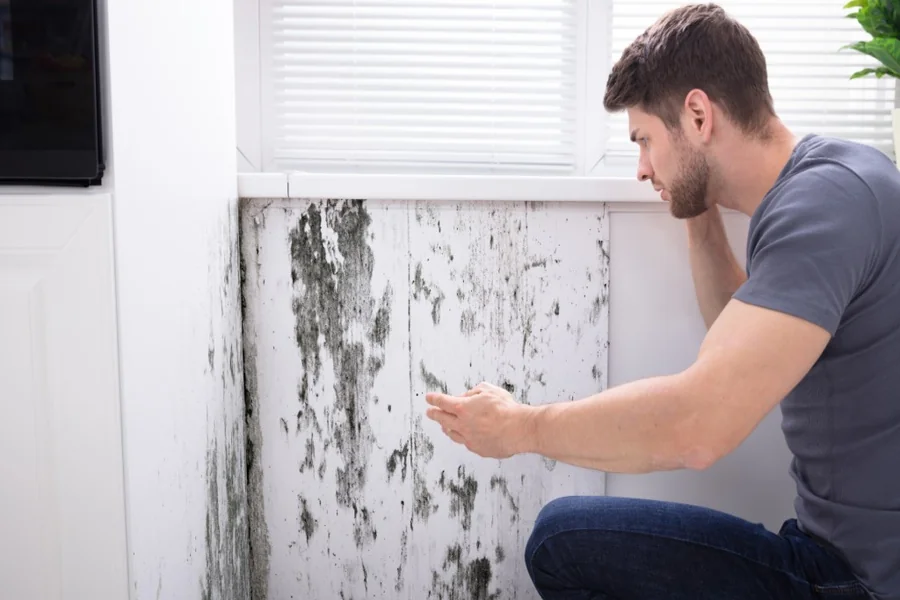
Discovering mold or water damage in a house can be alarming, especially when you are trying to sell the property. These issues raise concerns for buyers and lenders and often make traditional sales more difficult. However, having mold or water damage does not mean you are unable to sell. With the right approach, you can sell a house with mold or water damage and move forward without taking on costly repairs.
Understanding mold and water damage
Water damage can come from many sources, including roof leaks, plumbing failures, flooding, or poor drainage. If moisture is not addressed quickly, it can lead to mold growth. Mold can spread behind walls, under flooring, and in ventilation systems, making it difficult and expensive to remove.
Buyers are often cautious about mold and water damage because of potential health risks and the possibility of hidden structural problems. Lenders may also hesitate to finance homes with unresolved moisture issues, which limits the pool of traditional buyers.
Disclosure and legal responsibilities
When selling a house with mold or water damage, disclosure is critical. Most states require sellers to disclose known defects, including water intrusion and mold. Failing to do so can lead to legal problems after the sale.
Being upfront about the condition of the property builds trust and protects you from future disputes. Disclosure does not prevent a sale, but it does shape the type of buyer who will be interested.
Deciding whether to make repairs
Mold remediation and water damage repairs can be expensive. In some cases, fixing the problem requires removing walls, replacing flooring, and addressing the underlying moisture source. Costs can escalate quickly, especially if damage is widespread.
For homeowners who do not have the funds or desire to manage major repairs, fixing the house may not be practical. This is why many sellers choose alternative options rather than renovating.
Choosing to sell my house as is
One of the most common solutions is to sell my house as is. Selling as is means offering the property in its current condition without agreeing to make repairs. You disclose the known mold or water damage, and the buyer accepts responsibility for addressing it after closing.
Selling as is can significantly reduce stress and eliminate the need for upfront repair costs. While the sale price may be lower than a fully repaired home, many sellers find this option more realistic and efficient.
Challenges with traditional buyers
Traditional buyers often rely on mortgage financing, and lenders usually require homes to meet certain condition standards. Mold or water damage can cause a loan to be denied or delayed until repairs are completed.
Inspections may also lead to extensive repair requests or renegotiations. This can result in deals falling apart late in the process, which is frustrating and time consuming for sellers.
How cash home buyers can help
Cash home buyers are often well suited for purchasing houses with mold or water damage. These buyers use their own funds, which removes the need for lender approval. They are typically experienced in evaluating properties with issues and factoring repair costs into their offers.
Cash home buyers are often willing to purchase homes as is and take on the remediation work themselves. This can make the selling process faster and more predictable.
Why sellers choose to sell my house for cash
Many homeowners decide to sell my house for cash to avoid uncertainty and delays. Cash sales usually involve fewer contingencies, fewer inspections, and shorter closing timelines. This can be especially important if the house is unlivable or continuing to deteriorate.
While a cash offer may be lower than a retail sale after repairs, it can save money by avoiding remediation costs, holding expenses, and prolonged stress.
What to expect during the sale process
When selling a house with mold or water damage to a cash buyer, the process is typically straightforward. The buyer evaluates the property, sometimes with a brief walkthrough, and makes an offer based on the extent of the damage and the potential value.
Once an agreement is reached, a title company or attorney handles the closing. Any existing liens or obligations are addressed, and ownership transfers to the buyer.
Risks of waiting to sell
Delaying the sale of a house with water damage or mold can increase costs and risks. Mold can spread, water damage can worsen, and local authorities or insurance companies may become involved. Ongoing moisture issues can also reduce the property value over time.
Selling sooner can help prevent further damage and financial loss.
Final thoughts
Selling a house with mold or water damage may seem challenging, but it is often more manageable than expected. By choosing to sell my house as is and working with cash home buyers to sell my house for cash, you can avoid costly repairs and long delays. The right strategy allows you to move forward with less stress while resolving a difficult property situation.