How to Safely Relocate Your Project Car and Home Garage Workshop
 Johnathan Parker |
August 7, 2026 |
12:07 pm
Johnathan Parker |
August 7, 2026 |
12:07 pm
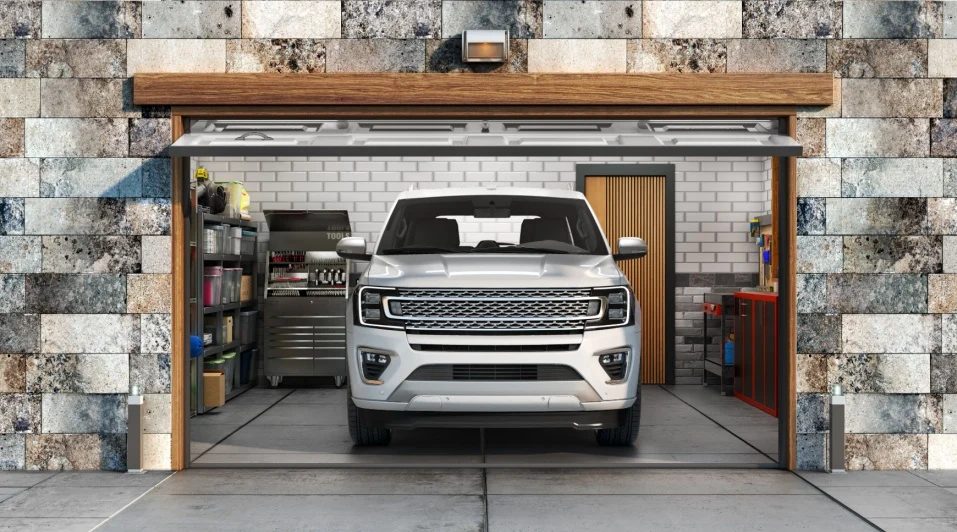
For dedicated car enthusiasts, a home garage is far more than just a place to park a daily driver. It is a highly organised, fully equipped workshop designed for serious maintenance and complete vehicle restorations. A comprehensive 2025 report by the Australian Automotive Aftermarket Association highlighted a massive shift toward independent and DIY vehicle repair, contributing to a $10 billion annual expenditure in the automotive service sector. However, while building a dream workshop is a rewarding process, relocating it introduces a completely different set of challenges. Specialised equipment like engine hoists, hydraulic presses, and heavy-duty parts washers cannot simply be tossed into the back of a rented van. Moving standard household furniture is straightforward, but safely transporting heavy tool chests, air compressors, and non-running project vehicles requires careful planning and logistical expertise.
Assessing the Weight and Complexity of Garage Equipment
Empty professional-grade rolling tool cabinets frequently weigh between 150 and 900 kilograms before a single wrench is added. A fully loaded 72-inch rolling cabinet outfitted with end cabs and upper hutches can easily weigh thousands of kilograms. This immense weight completely exceeds the structural limits of standard residential utility trailers and DIY rental trucks. Moving these items yourself carries serious physical risks. Safe Work Australia recorded 146,700 serious workers' compensation claims nationwide in a recent reporting period.
According to the Australian Bureau of Statistics, manual handling tasks involving lifting, pushing, pulling, or bending account for 24 percent of all work-related injuries. Body stress from awkwardly shaped objects, like heavy air compressors or mobile workbenches that require a 500-kilogram baseline weight capacity, causes tens of thousands of serious injuries. Because of this extreme weight and the inherent danger, it is highly recommended to seek professional assistance. Taking the time to gather specific quotes for moving will help you find a service capable of handling heavy workshop equipment safely, ultimately saving your back and protecting your property.
Securing Project Vehicles and Heavy Machinery
Moving a rolling chassis or a disassembled project engine requires highly specific tie-down strategies. A proven method for securing a bare engine block during a residential move without paying for custom professional crating involves nesting the unit inside a large, unmounted heavy-duty truck tyre. Securing the block to the tyre and the transport floor with heavy-duty ratchet straps establishes a low, stable centre of gravity. To avoid damaging machined engine surfaces or painted chassis components, always use soft loops in combination with your ratchet straps, anchoring them exclusively to reinforced D-rings on the trailer floor.
However, standard hardware store straps are often insufficient for heavy automotive loads. When hauling major components, strict international safety standards come into play. The official cargo securement rules dictate that the aggregate working load limit of any tie-down system must equal at least one-half the total weight of the cargo. Furthermore, these systems must be capable of withstanding 0.8 g of forward deceleration to prevent the load from breaking loose during hard braking. The Australian Competition and Consumer Commission reports that improper lifting and securing of heavy vehicle loads has caused hundreds of hospitalisations and over 120 fatalities since 2000, making strict adherence to working load limits absolutely vital.
Managing Hazardous Fluids and Automotive Chemicals
Under Australian federal legislation, including the Hazardous Waste Act 1989, used motor oil is strictly classified as a hazardous material that must never be disposed of in standard residential landfills. The New South Wales Environment Protection Authority legally requires an active environment protection licence for the road transport of any load containing more than 200 kilograms of waste mineral oil. Improper handling or DIY transit of used motor and transmission oil risks severe state penalties. These fluids routinely contain highly toxic, low-flashpoint contaminants like petrol, solvents, lead, and polycyclic aromatics.
To prepare your garage for transit and remain compliant with transport regulations, follow these essential steps:
- Drain all residual fuel and coolant from disassembled project engines to prevent dangerous cross-contamination.
- Safely transport used motor and transmission oil to approved recycling facilities well before moving day.
- Seal and clearly label all chemical containers to ensure no hazardous leaks occur inside the transport vehicle.
- Consult your transit insurance provider, as failing to properly drain and secure automotive fluids can instantly void your coverage in the event of an accident.
Protecting Your High-Value Tool Investments
Standard residential home and contents insurance policies generally exclude coverage for high-value, commercial-grade mechanic tools when they are in transit or temporarily stored off-site. Replacing an entire lifetime collection of spanners, sockets, and precision measuring devices out of pocket can be financially devastating. To protect your extensive DIY garage investments during a relocation, you will likely need specific portable equipment insurance to cover theft, transit vehicle collisions, and accidental drops.
When packing your essential mechanic tools, such as complex diagnostic scanners and high-torque cordless impact wrenches, ensure they are placed in custom hard cases rather than thrown loosely into cardboard boxes. Taking a thorough photographic inventory of these items and securing adequate transit insurance guarantees that your significant investments remain protected from driveway to driveway.
Relocating a complete automotive workshop is a major logistical undertaking that requires far more preparation than a standard residential move. By respecting the immense weight of your equipment, following strict cargo securement guidelines, and properly managing hazardous fluids, you can prevent serious injuries and costly damage. With careful planning and the right professional support, your project car and heavy machinery will arrive safely, leaving you ready to set up your new space and get back to wrenching.