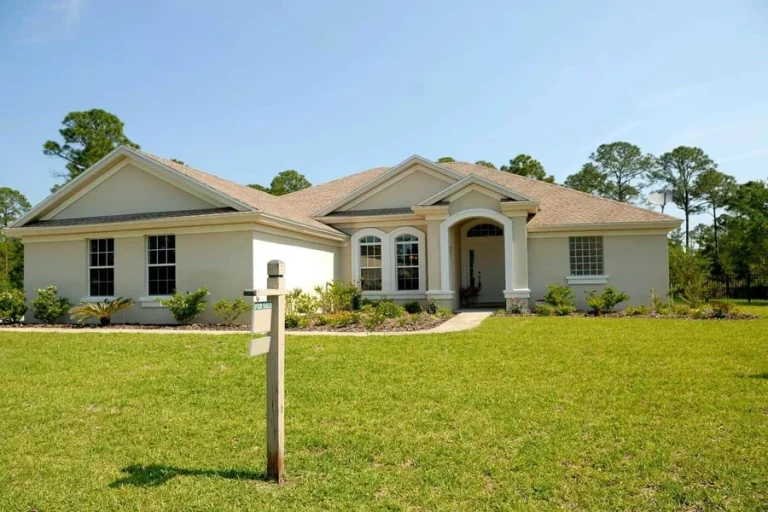
How to Finance a Pool in a High-Interest Rate Environment
 Johnathan Parker |
June 29, 2025 |
8:38 pm
Johnathan Parker |
June 29, 2025 |
8:38 pm

A swimming pool can be a dream addition to any home, offering both relaxation and recreation for your family. However, with interest rates rising, financing a pool might feel like a challenge. High-interest rates can make pool loans more expensive, potentially stretching your budget further than anticipated. But don’t let the fear of rising rates deter you from building your backyard oasis. With the right approach, you can still make it happen. Here’s a guide to financing a pool in a high-interest rate environment.
Assess Your Financial Situation
Before diving into any financing options, it’s essential to understand your current financial standing. Take a moment to evaluate your budget, monthly income, and existing debt obligations. Having a clear picture of your finances will help you determine how much you can afford to spend on a pool without stretching your finances too thin.
If you have significantly high-interest debt, such as credit card balances, it may be wise to prioritize paying those off first to improve your credit score and make you more eligible for favorable loan terms. On the other hand, if your finances are in good shape, you’ll have more flexibility in considering various financing options.
Look into Pool-Specific Loans
When it comes to financing a pool, one of the most direct options is a pool-specific loan. These loans are designed for home improvement projects like building a pool. While the interest rates on these loans are often higher in a high-interest environment, they tend to be more accessible and come with terms that may work well for your project.
For those with a solid credit history, these loans can be relatively easy to secure, especially if you already have a relationship with a lender. Some lenders even offer specialized financing packages for pool installations, which could include longer repayment terms that help reduce your monthly payment.
Consider a Home Equity Loan or HELOC
If you own your home and have built up equity, a home equity loan or a Home Equity Line of Credit (HELOC) might be an option worth considering. While these types of loans are typically tied to your home, they often come with lower interest rates than unsecured loans. With a home equity loan, you borrow a lump sum of money that you’ll repay in fixed installments, while a HELOC works more like a credit card with a revolving balance.
The major downside of using home equity financing is the risk of putting your home on the line. If you fail to make payments, you could risk losing your property. Be sure to carefully weigh this risk before opting for this type of loan.
Look into Personal Loans
Another route to consider is a personal loan, which typically doesn’t require collateral. Personal loans tend to have fixed interest rates, which can be both an advantage and a disadvantage, depending on the rate you’re offered. In a high-interest rate environment, personal loans can come with interest rates that are less favorable than those for home equity loans.
Still, personal loans may be a good option for those who don’t want to tie up their home equity or deal with the complexity of home equity lines of credit. Be sure to shop around and compare rates from different lenders to secure the most competitive offer.
Save Up for a Bigger Down Payment
In a high-interest rate environment, one of the best ways to reduce the total cost of financing a pool is by saving up for a larger down payment. The more you can pay upfront, the less you’ll need to borrow, which means lower monthly payments and less overall interest paid over the life of the loan. It may take some time, but saving a significant amount can drastically reduce the financial burden in the long run.
Even if you’re eager to start your pool project, consider delaying it a few months to allow for more savings. This strategy will put you in a stronger position to secure better financing terms or even pay for a portion of the pool outright without relying on financing.
Consider Alternative Financing Options
In addition to traditional loans, some homeowners are turning to alternative financing options, such as peer-to-peer lending or financing through companies that specialize in pool installation. These options can sometimes offer more flexible terms, though they may also come with higher interest rates.
If you’re comfortable with exploring alternative lending sources, it’s essential to do your homework and make sure you understand the full terms and costs before committing. As with any type of financing, read the fine print and avoid offers that seem too good to be true.
Make the Right Choice for Your Pool Financing
Financing a pool in a high-interest rate environment requires careful planning and consideration of your financial situation. From exploring pool-specific loans to leveraging home equity or saving for a larger down payment, there are various ways to make your dream pool a reality. The key is to choose the option that aligns best with your budget, risk tolerance, and long-term goals.
Remember, the process doesn’t need to be rushed. Take your time, shop around for the best financing terms, and always be mindful of your ability to repay the loan comfortably. With the right strategy, you can enjoy a beautiful pool without the stress of overwhelming debt.