How to Ensure Your First Aid Course Meets Certification Standards
 Johnathan Parker |
September 20, 2024 |
4:28 pm
Johnathan Parker |
September 20, 2024 |
4:28 pm
Introduction
Preventable injuries are one of the leading causes of death in the USA and can occur anywhere, anytime. Taking a first aid course is an excellent way to prepare for such emergencies to prevent casualties. A recent poll states that 63% of Americans don’t know how to operate an automated external defibrillator (AED). Only 54% of them know the procedure to perform CPR. First Aid involves all the basic life-saving skills that may help save a life, especially when professional help is not readily available. Learning first aid is important, whether you are a healthcare professional, a teacher, or a concerned citizen, to create a sense of safety around you. However, aligning first aid training with the state-mandated certification standards can be challenging for many. This guide will help you address such challenges and ensure your first-aid training complies with legal standards.
Understanding First-Aid Certification Standards
Getting a First Aid certification ensures that a candidate has completed the first aid course that meets all the benchmarks set by state-recognized authorities. The Occupational Safety and Health Administration (OSHA) of the US Department of Labor has outlined various standards related to first aid. Training organizations must align their first aid courses with these national standards.When seeking first aid training, look for courses that provide certifications from accredited organizations. Most employers, schools, and healthcare providers need such certifications, making them a necessity. Completing a certified course enhances your credibility as a first-aid caregiver. It ensures that you receive up-to-date training that aligns with current guidelines.
Tips to Comply First Aid Course With Certification Standards
Trainees seeking job opportunities that demand formal training must obtain a legally recognized certificate to prove their competency. To ensure this, you can use the following tips:
Accredited Training Providers
Conduct thorough research on the training providers available in your area. Here are some factors to consider:
- Accreditation: Ensure that an authorized organization recognizes the first aid training provider. This information should be available on their website. Look for affiliations with national or international certifying bodies.
- Instructor Qualifications: Verify their credentials and experience. They should possess relevant qualifications and experience in emergency care. Instructors who regularly engage in emergency response are better at real-world scenarios.
- Course Content: Review the syllabus of the first aid course. It should cover a wide range of lifesaving skills-related topics. They must include CPR techniques, wound management, and handling allergic reactions, among other lifesaving skills.
- Reputation: Read testimonials from previous participants. A reputable training provider will have a history of satisfied clients who can vouch for the quality of the instruction.
Course Content Review
Another step in ensuring that your first aid course meets certification standards is to study its content. A reputable course should cover essential topics, including but not limited to:
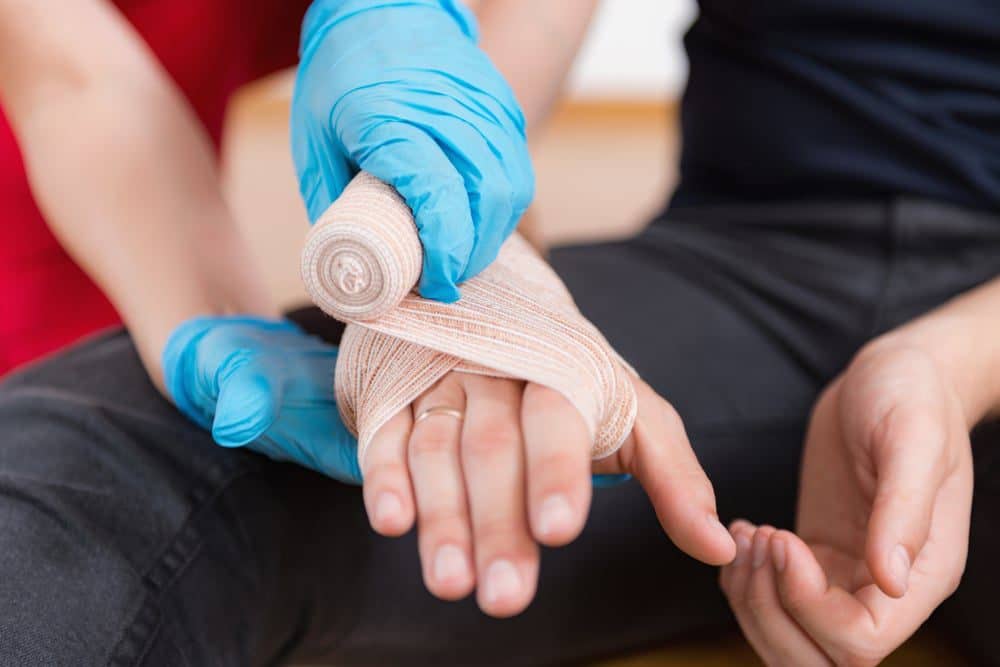
- Basic first aid techniques: This includes managing bleeding, burns, fractures, and other injuries” This also includes having a properly stocked fist aid kit with resources such as non-steroidal first aid ointment, gauze & antiseptic spray in order to tend to injuries properly.
- CPR training: The course should offer both adult and pediatric CPR training and focus on hands-on practice.
- Use of an AED: Understanding how to operate an Automated External Defibrillator (AED).
- Emergency action plans: Learning how to assess emergency incidents and plan further.
Training and Assessment
Ensure that the course includes practical training. Effective first-aid training goes beyond theoretical knowledge. Live demonstrations and hands-on practice are vital for building confidence in your skills.A certified first aid course should include assessments to evaluate your understanding and proficiency. Whether through written exams or practical demonstrations, assessments help retain skills. Providers committed to meeting certification standards hold learners accountable through their assessment methods.
Feedback and Reviews
Before enrolling, seek feedback from past trainees. Online reviews, testimonials, and word-of-mouth recommendations can reveal the quality of the first aid course. Look for courses that have a positive record of their effectiveness, instructor engagement, and overall satisfaction.Websites, social media, and forums dedicated to first aid training can serve as credible resources for insights from former students. Their experiences can help you make an informed decision about the right first-aid training provider.
Check Certification Standards and Validity
Getting certified shows that you have completed the training and are ready to handle emergencies. You must confirm details about the certificate provided. It must include the validity period and recertification requirements to maintain your certification. Most certificates are valid for 24 months. Further, inquire about digital credentials to share with employers or professional organizations.
Industry-Specific Requirements
If you’re taking a first aid course for work purposes, ensure it meets any specific requirements for your industry. For example:
- Childcare workers may need pediatric first-aid training
- Lifeguards must have water rescue and related first-aid skills
- Tourism guides and fitness/sports coaches might need specialized first-aid certification
Key Takeaways
Choosing the rightfirst aid course is very important as it can have a significant impact on your ability to respond during emergencies. By ensuring that your course meets certification standards, you guarantee quality training. This holistic process further prepares you for real-world emergency scenarios. To become adept in lifesaving skills, you must engage in thorough research and maintain an attitude of continuous learning. Stay informed and prepared to make informed choices for a safer tomorrow.