How to Choose the Right Electric Motorcycle for Your Child?
 Ava Thompson |
March 4, 2026 |
5:32 am
Ava Thompson |
March 4, 2026 |
5:32 am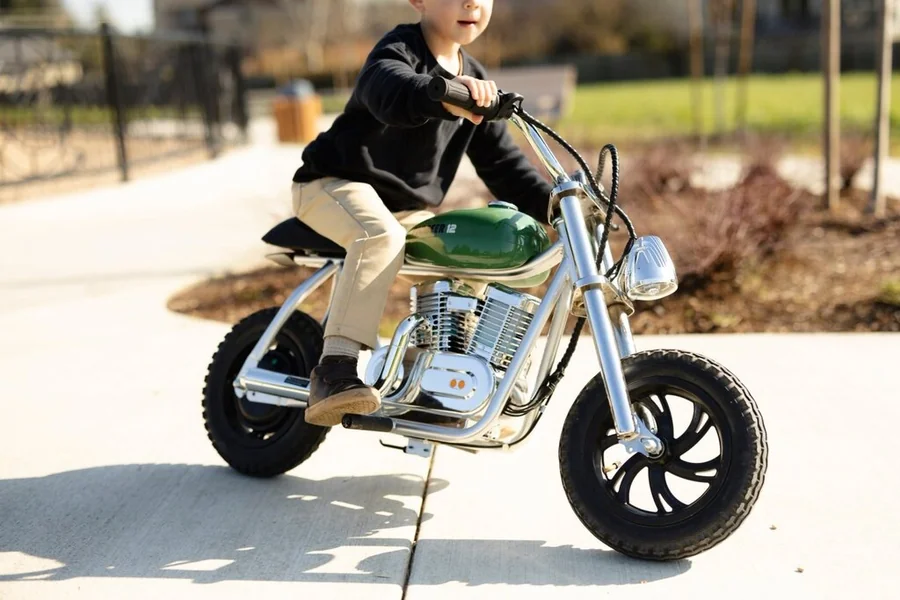
Choosing the right electric motorcycle for your child is not easy for parents. To ensure your child’s safety and comfort, there are several important factors to consider. Below are the key elements to help you make the most suitable decision.
1. Safety Is the Top Priority
A child’s safety is always the biggest concern for parents. When purchasing an electric motorcycle, the first thing to evaluate is its safety design:
Speed Limiting: Choose an electric motorcycle with a built-in speed limiter to prevent loss of control due to improper operation. Many kids’ electric motorcycles have a maximum speed limited to 5–10 km/h (about 3–6 mph), which helps reduce the risks associated with high-speed riding.
Braking System: Make sure the motorcycle is equipped with an effective braking system. Generally, children’s electric motorcycles should feature rear disc brakes or electronic braking systems, which are safer and more efficient than traditional V-brakes. The brake design should be simple and easy for children to operate, avoiding complicated mechanisms.
Materials and Structure: The frame should be made of steel alloy or aluminum alloy, as these materials are lightweight yet strong enough to support a child’s weight while maintaining stability. The tires should be rubber, providing good traction and anti-slip performance to adapt to different road surfaces.
2. Choose the Right Model Based on Age and Weight
Children of different ages require different sizes and power levels. Selecting a model that matches your child’s age and weight is crucial:
Age Recommendation: Generally, children aged 3–5 are suitable for electric motorcycles with lower speeds (5–8 km/h or 3–5 mph), while children aged 6 and above can choose models with higher speeds (12–15 km/h or 7–9 mph). Models for different age groups vary in motor power and battery capacity, with younger children typically needing lower power output.
Weight Capacity: Electric motorcycles have a maximum load limit. Make sure the maximum weight capacity exceeds your child’s weight to ensure safe and stable use. Most children’s electric motorcycles support between 25–50 kg (55–110 lbs). Parents should choose accordingly.
Proper Fit: Select a mini motorcycle for kids based on your child’s height to ensure both feet can touch the ground steadily. The seat height is typically between 30–50 cm (12–20 inches), allowing children to maintain balance comfortably.
3. Battery Range and Charging Convenience
Battery performance is another key factor when choosing an electric motorcycle. Range affects how long your child can ride and how frequently charging is required. Parents should consider the following:
Range: For children who ride longer, choosing a motorcycle with extended battery life is important. Lithium batteries are commonly used, offering higher energy density and longer lifespan. Typical riding time ranges from 30–50 minutes, suitable for short-distance riding. Higher-end models often use 12V–24V battery systems for longer usage time.
Charging Convenience: Consider charging time and ease of access. Most models require 4–8 hours to fully charge. Choosing a model with an easily accessible charging port is important. Removable batteries are also convenient, allowing you to swap batteries without interrupting playtime.
Battery Type: High-quality lithium batteries are recommended. They charge faster, last longer, and are lighter than traditional lead-acid batteries, reducing the overall weight of the motorcycle.
4. Design and Comfort
Design and comfort also matter. A child’s riding experience directly affects their interest and enjoyment:
Seat Design: Choose a seat that is wide and moderately cushioned to ensure comfort during longer rides. High-density foam padding provides adequate support without being too hard.
Handlebars and Footrests: Handlebars should fit a child’s hand size and offer a secure grip. Soft plastic or rubber materials improve anti-slip performance. Footrests should be proportionally designed to ensure children can place their feet steadily and comfortably.
Frame Weight: The motorcycle should be lightweight and easy to handle. A heavy motorcycle can be difficult for children to control. Lightweight aluminum alloy or high-strength plastic frames make handling easier and reduce fatigue.
5. Brand Reputation and After-Sales Support
Choosing a reputable brand ensures product quality and reliable after-sales service:
Brand Selection: Well-known brands typically offer better quality assurance and customer support. Their batteries, motors, and safety systems are tested more rigorously, reducing potential risks.
After-Sales Service: Make sure the brand offers long-term support and warranty coverage. Many models include a 1–2 year warranty. Brands with widespread service networks make repairs and maintenance more convenient.
6. Price and Value for Money
Finally, parents should consider price and overall value. Higher-priced models may offer advanced features, but they are not always necessary for every family.
Budget Planning: Choose according to your family’s budget. Most children’s electric motorcycles range from $300–$1,000. Select based on functional needs and financial comfort.
Cost-Effectiveness: Compare features and pricing across models to ensure you get the best value without exceeding your budget.
A Recommended Electric Motorcycle Option
The HyperGoGo Cruiser12 Plus is a strong option for parents seeking a balance of safety and smart control features. It comes equipped with dual disc brakes and an aluminum alloy frame, with a top speed of 10 mph to ensure safe and stable riding. Parents can use the dedicated app to set speed limits and monitor riding data, adding an extra layer of control and peace of mind. It offers three speed modes and features a retro low-profile design suitable for children between 2’9″ and 4’9″ in height, making it both a safe and practical choice.
Conclusion
Choosing an electric motorcycle for your child is not simply about buying a toy—it is about taking responsibility for your child’s safety, habits, and development. The right model should strike a balance between speed, safety structure, battery stability, material strength, and parental control features. Instead of focusing only on appearance or price, prioritize weight capacity, braking type, battery specifications, and whether the motorcycle includes a speed limiter. When safety comes first and children progress gradually, an electric motorcycle can become a tool for building focus, rule awareness, and confidence—rather than a source of risk.