How to Choose the Perfect Relaxed Fit T-Shirt: Fabric, Fit & Quality Guide
 Ava Thompson |
November 22, 2025 |
11:09 am
Ava Thompson |
November 22, 2025 |
11:09 am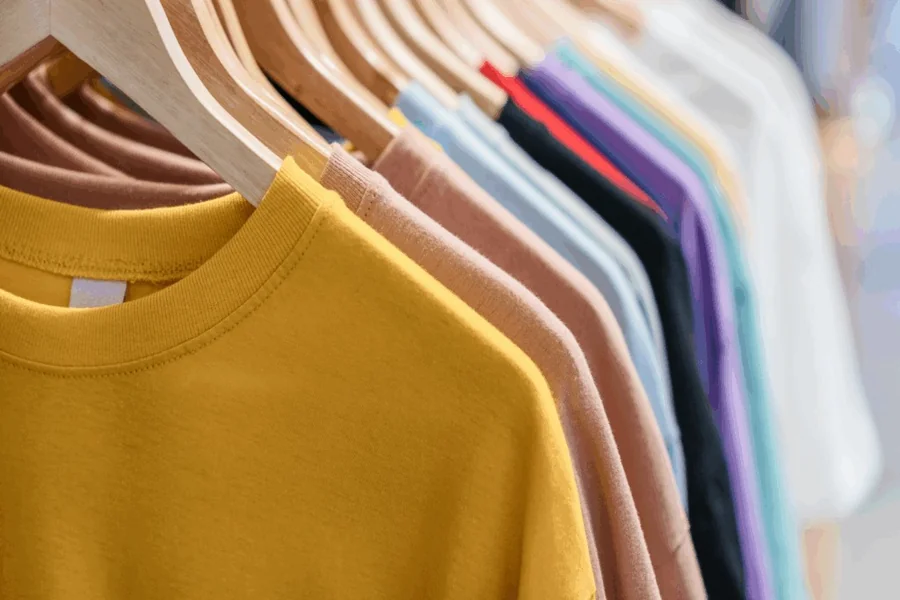
A relaxed-fit T-shirt sounds simple, but picking the right one is basically a skill. Not all tees are created equal; some look great on the hanger and turn into a sad, stretched-out mess after one wash. If you want that perfect everyday tee that actually lasts, here’s your go-to guide.
Step 1: Get the Fit Right
The whole point of a relaxed fit tee is comfort without losing shape, so you’ve got to get the fit spot-on. Start with the shoulders; the seam should fall just slightly off your natural shoulder line. Too high, and it looks like a tight-fit tee pretending to be relaxed. Too low and you’ve entered oversized territory.
The sleeves should hit mid-bicep with a gentle looseness; think breathable, not balloon-like. And the body? Look for a soft drape that skims over you without clinging or billowing. You want movement, not chaos. If you raise your arms and the tee doesn’t ride up awkwardly, that’s a green flag. The right fit feels like your favorite tee from day one.
Step 2: Choose the Best Fabric
Fabric is where your tee either wins or flops. Cotton is the classic, breathable, soft, and comfy fabric for all-day wear. But if you want a glow-up, try organic cotton. It’s cleaner, smoother, and usually feels better on the skin. Cotton blends are great too: cotton-poly blends resist shrinking, wrinkles, and fading, which is a blessing if you’re someone who treats laundry like a side quest.
Pay attention to GSM (grams per square meter), which basically tells you how thick the fabric is. Around 160–180 GSM gives you a perfect everyday, relaxed fit feel. Anything lighter might be too sheer; anything heavier leans toward winter wear. Your tee should feel substantial but not heavy.
Step 3: Check Stitching & Construction
Here’s a hack nobody tells you: the easiest way to judge a T-shirt’s quality is by looking at the stitching. Start with the collar; if it feels flimsy or ripples unevenly, skip it. A well-constructed neckline stays flat and holds shape even after multiple washes.
Check the seams on the shoulders and sides. Double-stitched or reinforced seams are signs of durability. Loose threads? Immediate red flag. The hem should also be even and stable; if it curls or twists, the tee won’t age well. Take a second to gently stretch the fabric. If it bounces back without losing shape, congratulations, you’ve found a keeper. Good construction = longer life.
Step 4: Pick Colors That Work for You
Color is the easiest way to personalize your relaxed-fit tee collection. Start with the basics: white, black, navy, and grey; these always hit. They pair with everything and work in any season. Once you’ve collected the essentials, level up with pastels (peach, lavender, mint, and sky blue) if you like soft aesthetics. Earth tones, olive, beige, brown, and rust give a more grounded, stylish vibe.
Choose colors that match your energy and skin tone. Warmer undertones pop with earthy shades, while cooler undertones look great with blues and grays. And if you’re feeling bold? Grab a bright shade or a saturated hue. One pop of color can make your whole outfit feel fresher.
Summary
The perfect relaxed-fit tee checks all the boxes: good fit, great fabric, neat stitching, and colors that feel authentically you. When all these elements come together, you get a T-shirt that’s comfy, long-lasting, and stylish without trying too hard. Build your collection smartly, and you’ll always have a go-to favorite.