How to Choose a Lab-Grown Diamond Ring That Suits Your Style and Budget
 Johnathan Parker |
August 25, 2026 |
11:14 am
Johnathan Parker |
August 25, 2026 |
11:14 am
Buying a diamond ring involves several decisions. Buyers need to consider the shape of the stone, its size and quality, the ring setting, metal, overall design, budget, and the preferences of the person who will wear it.
Lab-grown diamonds have added another option to that process.
These diamonds are created using controlled technological processes rather than forming naturally underground. They are not the same thing as diamond simulants such as cubic zirconia.
For someone shopping for an engagement ring, anniversary gift, or fine jewelry piece, understanding the basics can make comparing options much easier.
Understand What a Lab-Grown Diamond Is
The term “lab-grown” describes the diamond’s origin.
Instead of forming naturally over geological timescales, the diamond is produced in a controlled environment using technology designed to reproduce conditions required for diamond growth.
The result is still diamond.
This distinction is important because lab-grown diamonds are sometimes incorrectly grouped together with materials that merely resemble diamonds.
When shopping, buyers should therefore distinguish between lab-grown diamonds and diamond simulants.
Set Your Budget Before Shopping
Diamond shopping becomes considerably easier when you have a realistic budget.
There is no universal amount that someone should spend on a ring.
The appropriate budget depends on personal finances, priorities, and the type of ring being purchased.
Establish a comfortable range before comparing stones.
This helps prevent the buying process from becoming focused on increasingly expensive options.
Your budget should include the complete ring rather than just the center stone.
The setting, metal, additional stones, customization, and other design elements can all affect the final price.
Learn the Four Cs
Diamonds are commonly evaluated according to cut, color, clarity, and carat weight.
Carat describes weight and is often the characteristic buyers notice first because it influences apparent size.
However, bigger does not automatically mean better.
Cut can have a significant influence on how effectively a diamond reflects light. Color and clarity are also important considerations.
Rather than maximizing one characteristic while ignoring everything else, consider how the different qualities work together.
A balanced diamond may provide a more attractive overall appearance than one selected exclusively because it reaches a particular carat weight.
Select the Right Diamond Shape
Shape has a major influence on the personality of a ring.
Round diamonds provide a classic appearance, while oval, pear, emerald, radiant, cushion, and other shapes can create distinctly different styles.
Personal preference should guide the decision.
Look at photographs, but also consider seeing different shapes on a hand if possible.
A shape can look very different when worn compared with how it appears in an isolated product image.
Finger proportions and the ring setting can also influence the visual effect.
Choose a Ring Style That Fits the Wearer
The diamond is only one part of the finished ring.
The setting determines how the stone is presented and can significantly change the overall appearance.
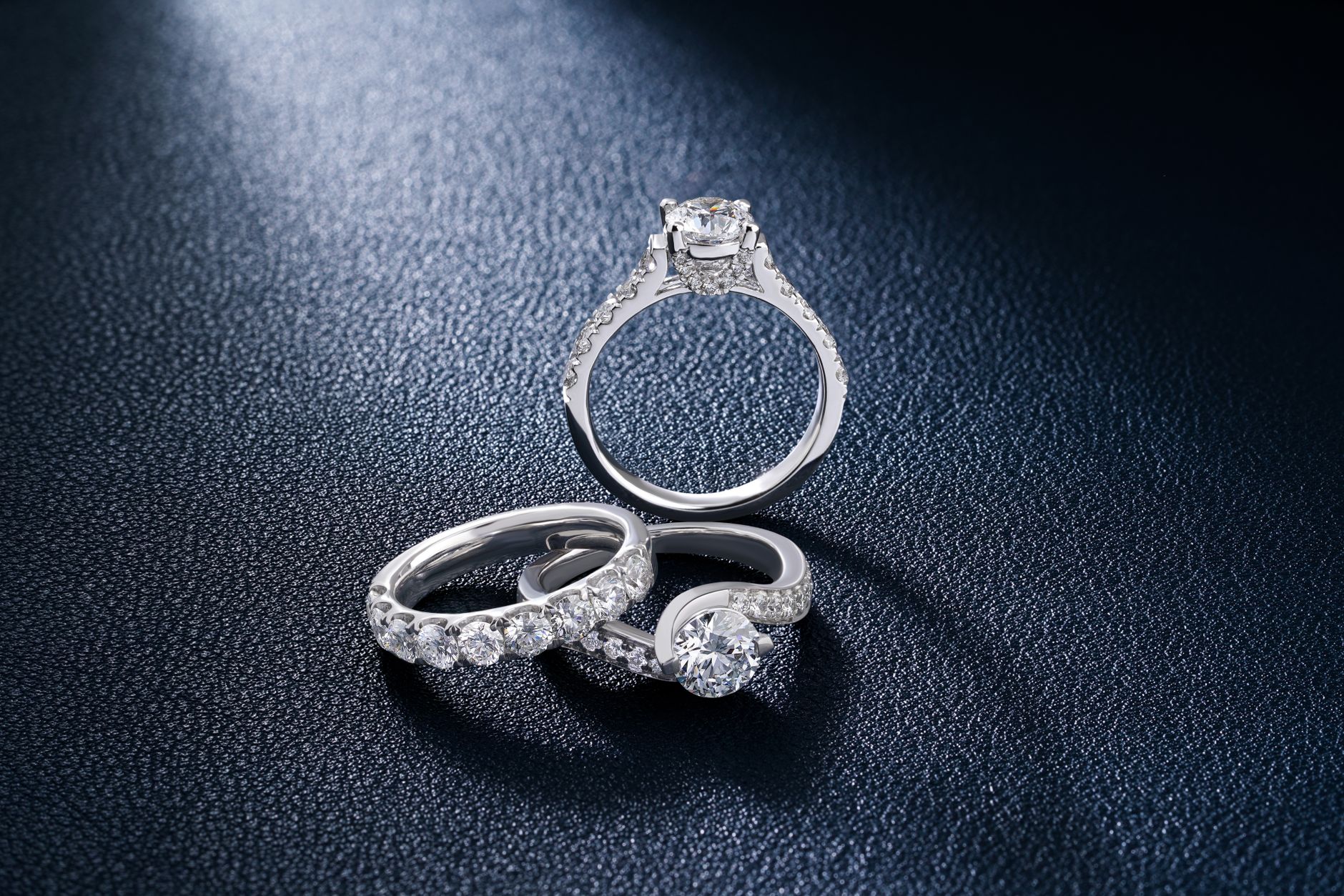
A solitaire places attention on the center stone and offers a classic aesthetic. Pavé designs add additional sparkle along the band, while other settings can incorporate accent stones or more elaborate design elements.
The setting should complement both the diamond and the personal style of the person wearing it. When comparing lab grown diamond rings, consider how the stone shape, setting, band design, and metal work together rather than choosing a ring based on carat weight alone.
Think about the jewelry the recipient already wears.
Someone who prefers minimal jewelry may appreciate a clean, understated design. Someone who regularly wears statement pieces may prefer something more distinctive.
Select the Metal Carefully
The metal influences both appearance and practicality.
Yellow gold can create a warm, traditional look. White metals provide a cooler appearance, while rose tones can offer another distinctive option.
Consider the wearer’s existing jewelry.
If most of their pieces use one metal color, choosing a similar tone can make the ring easier to coordinate.
Practical factors can also matter.
Ask about durability, care requirements, and how the selected metal performs with regular wear.
Consider Everyday Lifestyle
A ring may be beautiful while still being impractical for the person expected to wear it every day.
Someone who works frequently with their hands may prefer a lower-profile setting or design with fewer elements likely to catch on clothing or equipment.
Others may be comfortable with a more prominent stone and elaborate setting.
Think about work, hobbies, exercise, travel, and everyday routines.
An engagement ring in particular may be worn for many years, so comfort and practicality deserve as much consideration as appearance.
Review Diamond Documentation
Documentation can provide useful information about a diamond’s characteristics.
Before purchasing, understand what grading information accompanies the stone and what the stated grades mean.
Do not rely only on a large carat number or promotional description.
The combination of characteristics provides a more complete picture of the diamond.
If something in the documentation is unclear, ask the seller to explain it before completing the purchase.
Get the Ring Size Right
Ring sizing is easy to overlook when attention is focused on the diamond.
If the purchase is not a surprise, professional sizing is usually the simplest approach.
For surprise purchases, buyers sometimes use an existing ring as a reference, although this works best when the reference ring is worn on the correct finger.
Remember that finger size can fluctuate slightly.
The width and design of the band may also affect how a ring feels.
Ask about resizing possibilities before purchasing, particularly for complex designs.
Think Beyond Trends
Social media exposes shoppers to an enormous range of ring styles.
Trends can provide inspiration, but an engagement or anniversary ring may be worn long after a particular design stops dominating social feeds.
Consider whether the wearer genuinely likes the design or whether it simply happens to be fashionable at the moment.
Classic does not necessarily mean boring, and unusual does not necessarily mean better.
The strongest choice is usually one that reflects the wearer’s personal style.
Understand Care and Maintenance
Diamond jewelry requires care to maintain its appearance.
Everyday products such as lotions, oils, and cosmetics can accumulate on a ring and reduce its sparkle.
Cleaning requirements depend partly on the ring design and materials.
Owners should follow appropriate care guidance and periodically inspect the setting.
If a stone appears loose or part of the ring looks damaged, avoid continuing to wear it until the piece can be checked.
Proper maintenance helps protect both the appearance and integrity of the jewelry.
Frequently Asked Questions
Are lab-grown diamonds real diamonds?
Yes. Lab-grown diamonds are diamonds produced through controlled technological processes rather than natural geological formation. They should not be confused with diamond simulants.
What should I consider when choosing a lab-grown diamond ring?
Consider cut, color, clarity, carat weight, diamond shape, ring setting, metal, documentation, budget, and the wearer’s personal style.
Are lab-grown diamonds the same as cubic zirconia?
No. Cubic zirconia is a different material used as a diamond simulant. Lab-grown diamonds are diamonds.
Which diamond shape is best for an engagement ring?
There is no single best shape. Round, oval, emerald, pear, cushion, radiant, and other shapes offer different appearances. Personal preference should guide the choice.
Is a larger diamond always better?
No. Carat weight is only one characteristic. Cut, color, clarity, proportions, setting, and overall design also influence the appearance of a ring.
How should I choose a ring setting?
Consider the wearer’s personal style and lifestyle. The setting should complement the diamond while also being comfortable and practical for regular wear.
Should I choose a ring based on current trends?
Trends can provide inspiration, but a ring intended for long-term wear should primarily reflect the wearer’s personal taste.
How do I care for a lab-grown diamond ring?
Keep the ring clean, follow appropriate care guidance for the metal and setting, and periodically check that the stone remains secure. Professional inspection may also be useful if the setting becomes damaged.