How Smart Spaces Are Changing the Way We Work
 Johnathan Parker |
July 21, 2026 |
11:26 am
Johnathan Parker |
July 21, 2026 |
11:26 am
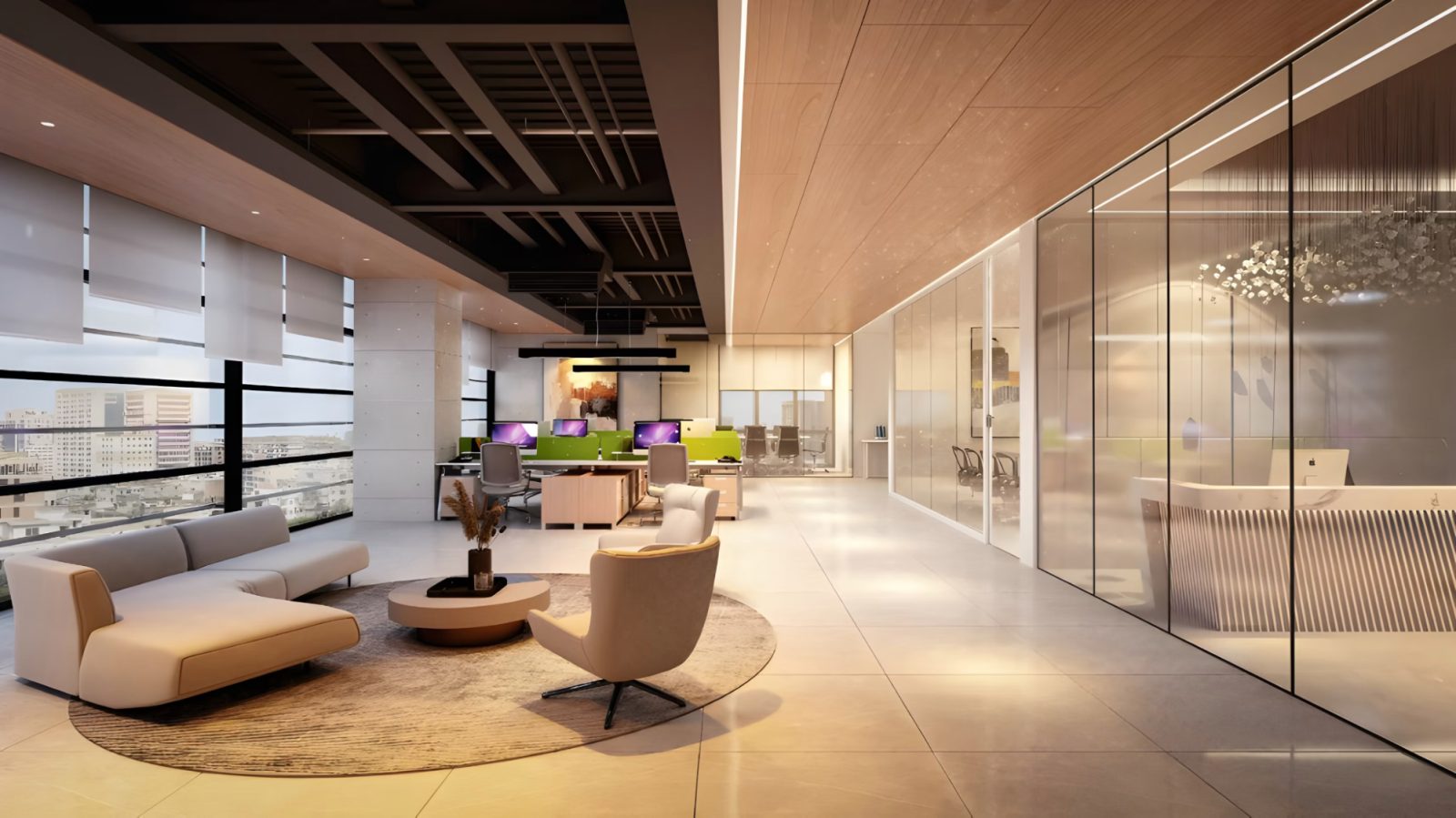
Smart environments have evolved far beyond voice assistants and connected home devices. Today, the same technologies are transforming offices, campuses, and public spaces into intelligent environments that improve efficiency, security, and the overall user experience. These smart spaces aren’t just buildings anymore; they’re lively places that seem to know what we need, make things run smoothly, and boost security in ways you barely notice. It’s like going from a plain old building to a living, breathing system that works for you.
Beyond the Traditional Office
The whole idea of an office is changing super fast. We’re moving away from having one assigned desk and strict 9-to-5 hours, shifting instead to flexible, hybrid ways of working. This means our spaces need to be able to keep up. A smart office isn’t just about having great Wi-Fi; it’s about using technology to make a more productive and collaborative place. This covers everything from clever systems for booking desks and meeting rooms to controls that adjust lights and temperature based on who’s actually there. The goal of this modern smart office technology is to create a workplace that truly fits how people want to work these days. The office of the future is less about a physical spot and more about an experience that ties everything together.
Creating Seamless User Experiences
Ever tried to open a door with a key card while juggling your laptop and coffee? The future of entering smart spaces is much smoother. Modern workplaces are designed to let you move through them effortlessly from the moment you arrive. Imagine your phone opening the parking garage, calling an elevator that already knows your destination, and unlocking your office for the day. This seamless experience is made possible by a centralized access control system that connects entry points, credentials, and security policies across the building. It verifies your identity while keeping movement convenient, secure, and uninterrupted.
Automation for Operational Excellence
Beyond making things easier for people, smart spaces also bring powerful automation that helps everything run more efficiently. Instead of sticking to fixed schedules, these places can pretty much manage themselves. Lights dim automatically in empty areas, heating and cooling systems dial down in vacant rooms, and cleaning crews can be sent to busy spots based on what sensors detect. If a meeting room is booked but no one shows up after 15 minutes, the system can automatically free it up for others. This automation doesn’t just cut down on manual work; it also saves a lot of energy and uses resources smarter.
Data Insights for Better Management
One of the coolest things about any smart system is all the information it gathers. Smart spaces are no different. By collecting anonymous data on how people interact with connected devices and building systems, organizations gain valuable insights into how smart environments can improve efficiency, security, and everyday user experiences. They can spot crowded areas, see which meeting rooms are most popular, and figure out which facilities aren’t being used much. This information is super valuable for making good decisions. Instead of just guessing, managers can use real data to improve layouts, justify spending on real estate, and constantly make the space work better.
Designing Secure Digital and Physical Realms
In a world where everything is connected, security can’t just be handled in separate pieces. A smart space needs a single, unified approach that protects both the actual building and the digital network inside it. A clever system makes sure that the person swiping into a secure area is the same one logging into a sensitive database. It can flag odd things, like an access card being used in the building while that person’s digital accounts are logging in from another country. By bringing physical and cyber security together, organizations can close big security gaps and react to threats much more effectively.
Ultimately, moving towards smart spaces is about creating places that are smarter, more efficient, and really focused on people. It’s a future where the buildings we spend time in work with us, not against us, making our days safer and more productive.