How Prefab Modular Buildings Support Faster Space Planning
 Johnathan Parker |
August 29, 2026 |
4:52 pm
Johnathan Parker |
August 29, 2026 |
4:52 pm
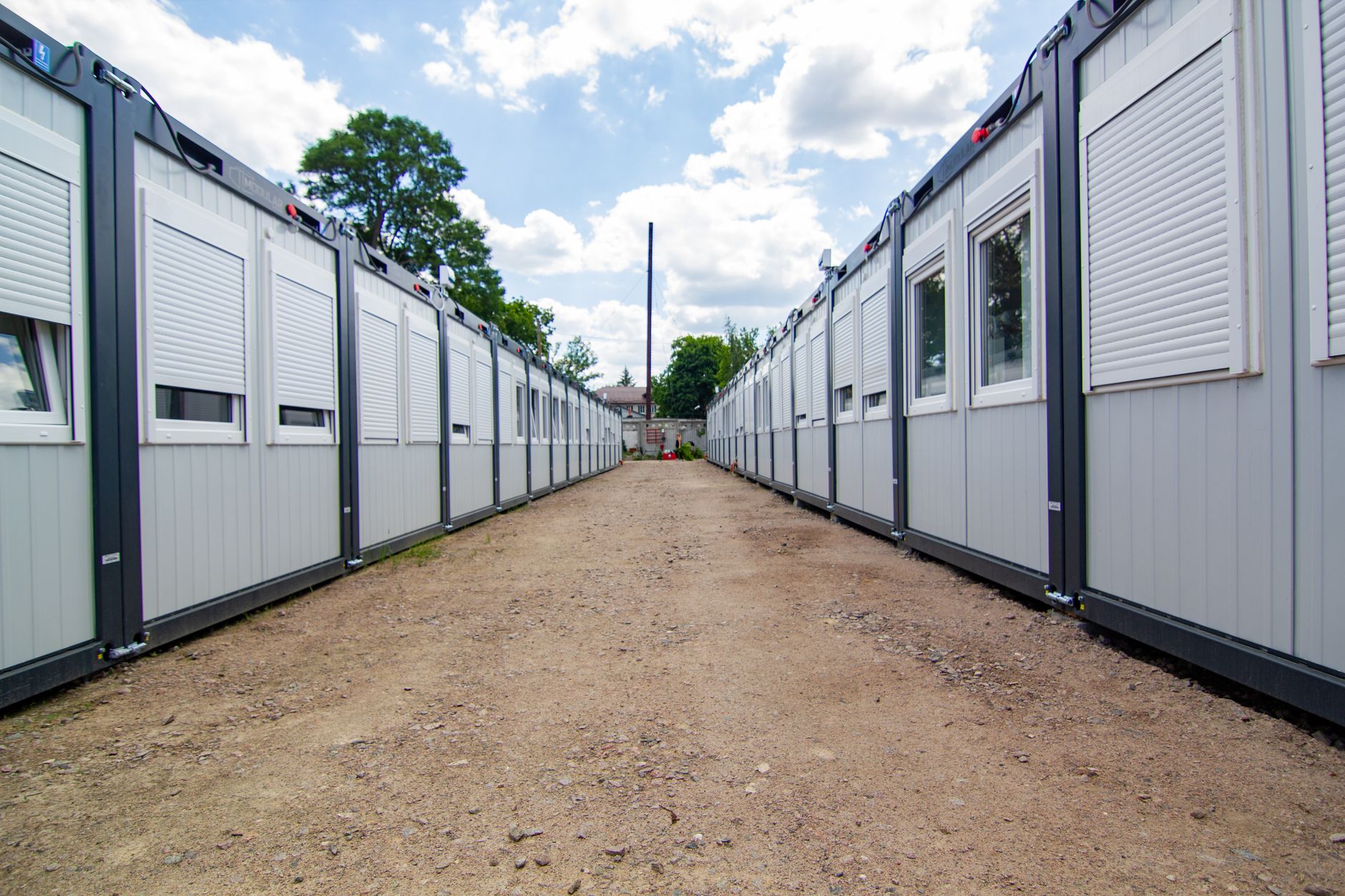
Organisations often need extra space before a conventional building programme can comfortably deliver it. A school may need classrooms for a growing roll, a business may need temporary offices during a refurbishment, or a project team may need a high-quality site facility while permanent premises are being planned. In those situations, speed matters, but so do comfort, compliance, appearance, and long-term usability.
That is why prefab modular buildings have become a practical option for many UK projects. Instead of constructing every element on site, modular buildings are manufactured off site as substantial sections, transported to the project location, and assembled into a finished building. PF Modular, a Hampshire-based modular buildings company, describes more than 20 years of experience constructing and supplying permanent and temporary modular buildings across sectors, especially education.
Why Off-Site Construction Changes The Programme
The main advantage of modular construction is that much of the work happens in a controlled factory environment while site preparation can happen separately. This can reduce weather delays, simplify coordination, and help teams work to a clearer programme. For schools, healthcare providers, commercial operators, and local authorities, that planning certainty can be just as valuable as the building itself.
A modular approach also helps when disruption must be kept low. Traditional construction can involve long periods of noise, deliveries, waste, and restricted access. By moving a significant portion of the build off site, organisations can shorten the most disruptive phase on the property. PF Modular’s process page highlights support from enquiry and design through delivery and installation, with turnkey services that can include transport, crane hire, groundworks, access ramps, steps, planning and building control.
Where Modular Space Makes Sense
Modular buildings are useful wherever an organisation needs accommodation that can be delivered with more certainty than a traditional build. Common uses include classrooms, offices, marketing suites, changing rooms, welfare facilities, meeting rooms, nurseries, ICT suites, and student common rooms. The building may be temporary, semi-permanent, or intended for long-term use.
Education is a strong example because space needs can change quickly. A school may need extra classrooms for a new intake, specialist SEN provision, or temporary accommodation while older buildings are improved. Commercial sites may need offices, sales suites, staff areas, or visitor facilities. In each case, modular construction gives decision-makers a way to plan around use, timetable, access, and budget rather than waiting for a slow building programme to catch up.
Design, Comfort, And Specification
Modern modular buildings should not be thought of as basic boxes. A good project begins with the intended use: how many people will occupy the space, what equipment is needed, how visitors will move through it, what heating and ventilation are required, and how the exterior should sit within the site. PF Modular notes that its prefabricated buildings are available in multiple sizes and specifications and can be customised to business requirements.
Internal and external finishes also matter. A modular classroom should feel suitable for teaching, while a sales suite may need a more polished front-of-house appearance. PF Modular describes options such as architectural wall cladding and finishes that can include timber, brick, stone or plaster-rendered walls. Those choices help modular buildings fit different settings instead of looking temporary by default.
Sustainability And Material Efficiency
Modular construction is often discussed in relation to sustainability because factory production can reduce waste, site traffic, and disruption. PF Modular states that off-site building can reduce pollution, congestion, and material waste, while modern materials and techniques can create insulated and efficient spaces. Buyers should still ask for details about energy performance, insulation, lifespan, reuse, refurbishment, and end-of-life options for the specific building they are considering.
Used and refurbished modular buildings can also support sustainability goals when they are appropriate for the project. Reconfiguring an existing building may reduce cost and speed up supply, provided the structure, layout, compliance status, and condition match the buyer’s needs. A careful comparison between new and used options can reveal the best balance of budget, speed, appearance, and service life.
Questions To Ask Before Committing
Before choosing a modular building, organisations should define the required floor area, occupancy, intended duration, site access, services, planning requirements, accessibility needs, and preferred finishes. They should also ask who is responsible for groundworks, transport, lifting, installation, building control, and aftercare. A low headline price can become less attractive if important project tasks are excluded.
The strongest suppliers make the process easier to understand from the start. They explain whether a new, used, or refurbished building is the right fit, how long delivery is likely to take, which permissions may be needed, and what the client must prepare on site. That clarity helps stakeholders make decisions with fewer surprises.
Conclusion
Prefab modular buildings are valuable because they combine speed with a more controlled construction process. They can help organisations respond to space pressures while still considering comfort, compliance, appearance, sustainability, and long-term use.
PF Modular provides a useful example of a UK supplier that connects modular buildings with design support, turnkey delivery, education-sector experience, and options for new, used, and refurbished accommodation. For buyers, the best result comes from matching the building method to the real operational need.