How Ethical Labor Practices Affect The Clothing Industry
 Ava Thompson |
July 3, 2025 |
3:44 pm
Ava Thompson |
July 3, 2025 |
3:44 pm
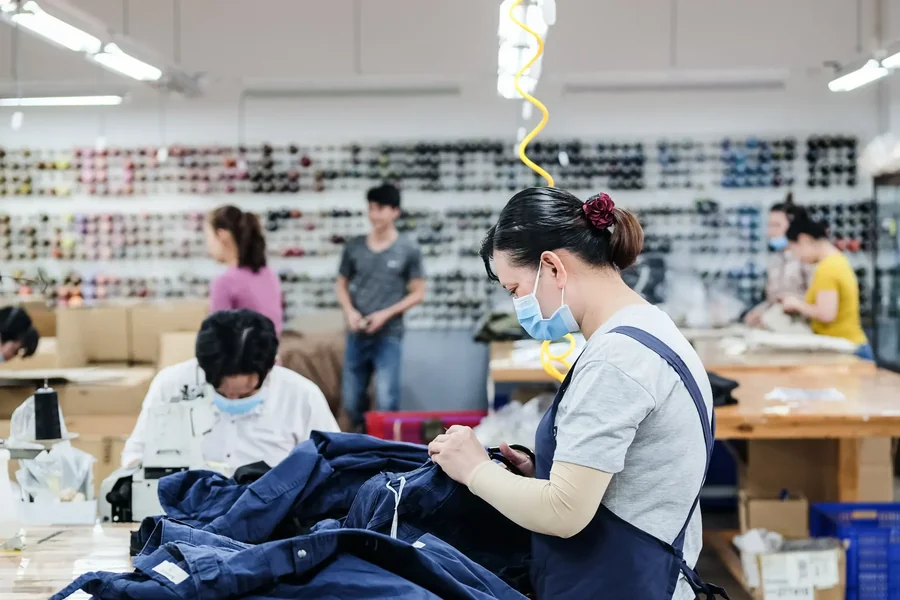
The clothing industry is a multi-billion-dollar global business, with garments being produced in factories across the world. However, beneath the surface of fast fashion and mass production lies an uncomfortable reality—unethical labor practices that exploit workers, damage communities, and harm the planet. As consumers become more aware of these issues, the conversation around ethical labor practices in the clothing industry has gained significant momentum. Ethical labor practices, which focus on fair wages, safe working conditions, and workers’ rights, are essential to creating a sustainable and responsible fashion industry.
In this article, we will explore how ethical labor practices impact the clothing industry, the challenges workers face, and why supporting companies with strong ethical standards is essential for building a fairer and more sustainable future for fashion. Find your next favorite look in Celebrity Fashion inspired by Hollywood icons.
What Are Ethical Labor Practices?
Ethical labor practices in the clothing industry refer to a set of standards designed to protect workers’ rights and ensure they are treated fairly and with dignity. These practices address key issues such as:
- Fair Wages: Workers should receive a wage that meets or exceeds the minimum required to live a decent life.
- Safe Working Conditions: Garment factories should be free from hazards, with proper safety measures in place to protect workers from physical harm and accidents.
- Reasonable Working Hours: Workers should not be forced to work excessively long hours. There should be clear boundaries for overtime, and workers should be compensated fairly for additional hours.
- Workers’ Rights: Employees should have the right to join unions, express grievances, and participate in decision-making processes regarding their workplace.
- No Child Labor or Forced Labor: Ethical labor practices prohibit child labor and any form of forced or bonded labor.
Ethical labor practices aim to shift away from exploitative labor models that prioritize profits over people, instead creating a more humane and sustainable industry.
The Impact of Unethical Labor Practices in the Clothing Industry
The fast fashion industry, which churns out inexpensive garments at an unsustainable pace, has long been associated with poor labor practices. These practices include:
- Exploitation of Low-Wage Workers: Many clothing companies source products from countries where workers are paid below a living wage. In countries like Bangladesh, India, and Vietnam, garment workers often receive wages that are insufficient to cover basic living expenses, leading to poverty and hardship.
- Unsafe Working Conditions: Factory workers in the clothing industry often work in dangerous conditions, with inadequate safety measures in place. The collapse of the Rana Plaza garment factory in Bangladesh in 2013, which killed over 1,100 workers, highlighted the severe lack of safety protocols in many clothing factories.
- Long Working Hours: Many garment workers are forced to work long hours, often beyond the legal limit, in exchange for low pay. These hours can extend to 12-16 hours per day, six or seven days a week, with little time for rest.
- Child Labor and Forced Labor: In some regions, children are forced to work in garment factories under hazardous conditions, deprived of education and a healthy childhood. Additionally, migrant workers are sometimes coerced into work through illegal contracts or abusive treatment.
These unethical practices have a devastating impact on workers’ lives and contribute to the widening income inequality between garment workers in developing countries and the multinational corporations that profit from their labor.
The Benefits of Ethical Labor Practices in the Clothing Industry
Adopting ethical labor practices in the clothing industry brings a wide range of benefits, not only for workers but for the industry itself, as well as the wider community and consumers. Here are some of the key benefits of supporting ethical labor practices:
-
Improved Worker Well-Being
Ethical labor practices ensure that workers are treated with respect, have access to fair wages, and work in safe environments. By prioritizing the well-being of workers, companies contribute to improving the quality of life for individuals and their families. Fair wages enable workers to afford healthcare, education, and a higher standard of living, breaking the cycle of poverty.
- Fair Wages: When workers receive a living wage, they can support themselves and their families, leading to improved community well-being.
- Safe Working Environments: Ethical labor practices ensure that factory conditions are safe and healthy, reducing the risk of accidents and injuries.
- Work-Life Balance: Limiting working hours and offering fair compensation for overtime allows workers to maintain a healthy work-life balance, improving their overall well-being.
-
Positive Impact on Communities
Ethical labor practices help to uplift local communities. When companies support fair wages, workers are able to spend their earnings locally, stimulating the economy and improving the standard of living in the areas where garment factories operate.
- Economic Growth: Fair wages and ethical practices support local economies by allowing workers to invest in education, healthcare, and infrastructure.
- Social Empowerment: Workers who are treated with dignity and respect have the opportunity to better themselves and contribute positively to their communities.
In turn, companies that invest in ethical practices help build a more equitable society, one where people have the resources they need to live fulfilling lives.
-
Greater Transparency and Trust
Consumers today are more concerned about the ethical implications of their purchasing decisions than ever before. Brands that prioritize ethical labor practices are seen as more transparent, fostering trust and loyalty with their customers.
- Accountability: Ethical labor practices encourage transparency in the supply chain, enabling consumers to understand where and how their clothing is made.
- Brand Loyalty: Companies that prioritize ethical labor practices often see increased customer loyalty, as consumers are more likely to support businesses that align with their values.
The demand for ethical fashion has grown significantly in recent years, and consumers are increasingly willing to pay a premium for products made with sustainable and fair labor practices.
-
Long-Term Profitability for Companies
While some brands may see short-term cost savings in using cheap labor from factories with poor working conditions, ethical labor practices can lead to greater profitability in the long term. Companies that prioritize sustainability and worker rights often see a higher level of customer retention, brand reputation, and employee satisfaction.
- Higher Quality: When workers are treated fairly and work in a safe, supportive environment, they are more likely to produce higher-quality garments, reducing returns and increasing customer satisfaction.
- Reduced Legal Risks: Companies that adhere to ethical labor standards are less likely to face legal challenges, public backlash, or boycotts, all of which can harm their reputation and bottom line.
- Attracting Talent: Ethical companies often attract top talent, as skilled workers prefer to work for companies that share their values and support social responsibility.
By investing in ethical labor practices, companies position themselves as leaders in a sustainable and socially responsible industry.
-
Environmental Sustainability
Ethical labor practices also intersect with environmental sustainability. Many companies that prioritize fair wages and working conditions are also committed to using eco-friendly materials, reducing waste, and adopting sustainable production practices. This holistic approach benefits both workers and the planet.
- Reduced Waste: Ethical companies are more likely to implement sustainable manufacturing processes that reduce waste and lower their carbon footprint.
- Sustainable Materials: Ethical brands often opt for organic and eco-friendly fabrics, such as organic cotton, hemp, and recycled polyester, which reduce the impact on the environment.
A commitment to ethical labor practices aligns with the broader goal of creating a fashion industry that is both socially responsible and environmentally sustainable.
Challenges in Implementing Ethical Labor Practices
While the benefits of ethical labor practices are clear, there are several challenges to implementing these standards across the clothing industry:
- Cost of Ethical Production: Implementing ethical labor practices often requires significant investments in worker wages, safety measures, and facility improvements, which can increase production costs. However, this can be offset by long-term gains in brand loyalty and consumer trust.
- Global Supply Chains: The global nature of the clothing industry means that companies often source products from multiple countries with varying labor laws and standards. Ensuring ethical practices across all supply chains requires robust monitoring and transparency.
- Enforcement and Accountability: Without strict regulations or oversight, some companies may attempt to bypass ethical labor standards. Third-party certification programs, such as Fair Trade and Global Organic Textile Standard (GOTS), can help ensure compliance, but more efforts are needed to enforce labor rights globally.
How Consumers Can Support Ethical Labor Practices
As consumers, we have the power to influence the clothing industry by making informed choices. Here are ways you can support ethical labor practices:
- Buy from Ethical Brands: Choose brands that prioritize fair wages, safe working conditions, and sustainable production methods.
- Research Brands: Look for certifications such as Fair Trade, B Corp, or OEKO-TEX, which indicate a commitment to ethical and sustainable practices.
- Support Local and Small Businesses: Many small brands are committed to ethical labor practices and local production, which helps reduce the environmental impact of global supply chains.
- Advocate for Change: Use your voice to raise awareness about labor rights in the fashion industry and encourage brands to adopt ethical practices.
By supporting ethical labor practices, consumers help to create a more just and sustainable clothing industry, where workers are treated with respect and fairness.
Conclusion: The Future of Ethical Labor Practices in Fashion
As the clothing industry continues to evolve, the importance of ethical labor practices cannot be overstated. By investing in fair wages, safe working conditions, and workers’ rights, brands can contribute to a more just and sustainable fashion industry. Consumers, too, have a vital role to play in promoting ethical labor practices by making informed purchasing decisions and supporting brands that prioritize people over profits.
In the end, a shift towards ethical labor practices not only benefits workers but also creates a more transparent, accountable, and sustainable fashion industry that is better for the planet and future generations.