How BMW Motorcycle Dealers Safely Reset Warning Lights After Repairs
 Ava Thompson |
February 4, 2026 |
10:31 pm
Ava Thompson |
February 4, 2026 |
10:31 pm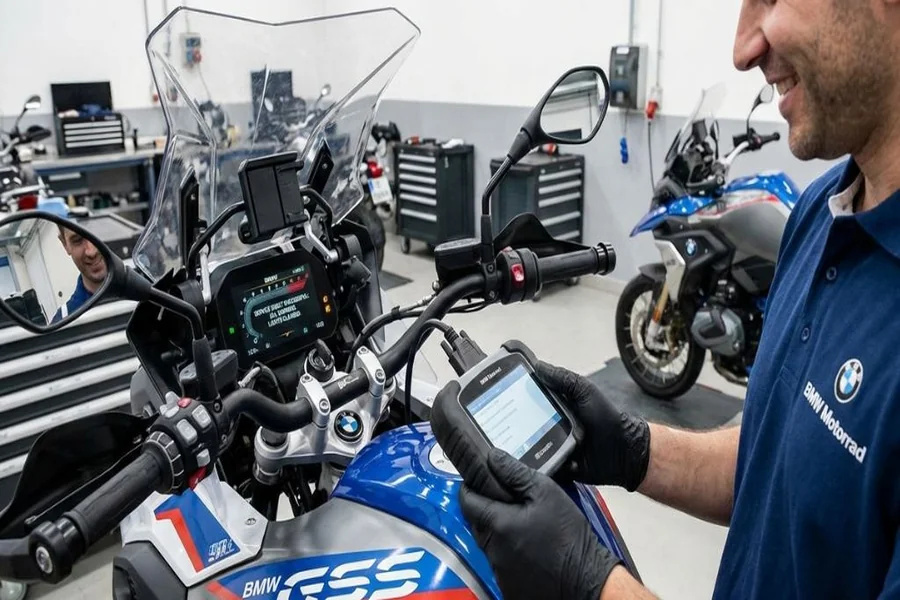
When riders walk into my shop or call after a repair, the question I hear most often is simple on the surface but critical underneath:
“Can you clear the warning light for me?”
On a BMW motorcycle, that question deserves a careful, informed answer. Clearing warning lights without understanding the system can create bigger problems than the one you just fixed.
So, we experienced BMW motorcycle dealers treating diagnostic resets as part of the repair process, not an afterthought.
Let me walk you through how this should be done properly, and why cutting corners with BMW electronics rarely ends well.
Why BMW Warning Lights Should Never Be Ignored
BMW motorcycles are built around a sophisticated electronic architecture. The ECU, ABS module, and instrument cluster constantly communicate with each other. When a warning light appears, it is not a suggestion. It is a recorded fault, stored as a diagnostic trouble code.
Before clearing anything, I always rescan the bike after repairs. If a fault code is still present, clearing it only masks the symptom. The system will either bring the light back immediately or, worse, operate in a limited mode that compromises safety.
This is one reason riders shopping for a used motorcycle should be cautious of bikes with recently cleared warning histories and no documentation.
Essential Safety Practices Before You Reset Anything
The first rule is verification. After replacing a sensor, servicing ABS, or completing routine maintenance, you must confirm that the root cause of the fault has been resolved. A second scan is not optional.
The second rule is tool compatibility. BMW motorcycles do not behave well with generic OBD scanners. Many universal tools will read a fault but fail to reset service intervals, adaptations, or stored module data correctly. So, here we need professional-grade equipment, commonly used by BMW motorcycle dealers, which becomes essential.
Finally, battery condition matters. Low voltage during diagnostics can interrupt communication and corrupt stored data. Always ensure the battery is fully charged before connecting any diagnostic device.
Tools That Actually Work on BMW Motorcycles
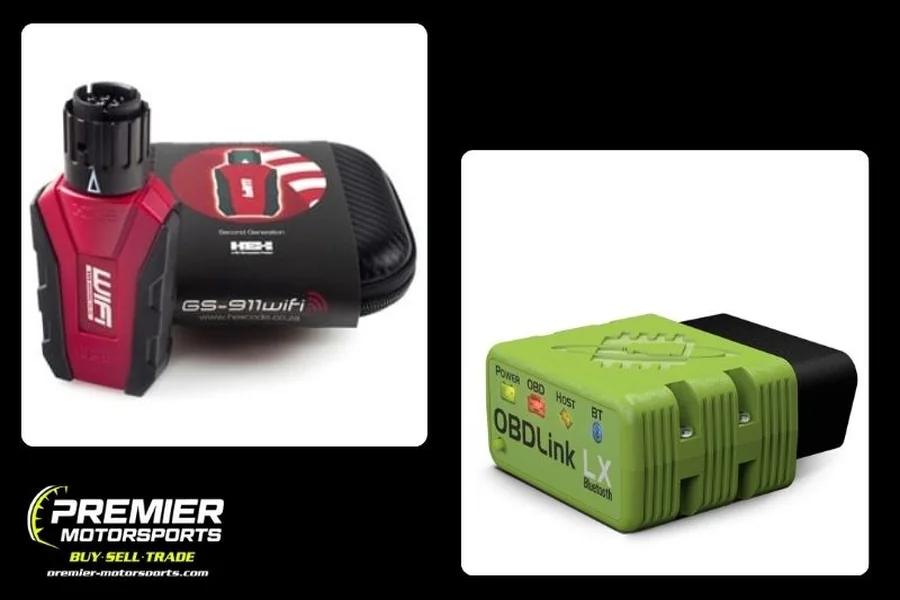
In my experience, two tools stand above the rest.
The GS-911 diagnostic system is the benchmark. It provides full access to BMW-specific fault codes, service resets, adaptations, and actuator testing. It is expensive, but it mirrors what many dealer service departments rely on for deep diagnostics.
The more cost-effective option is the OBDLink LX adapter paired with the MotoScan app. With the Professional or Ultimate version of MotoScan, you can reset service reminders, clear fault codes, and perform most adaptation resets. For many owners, this setup delivers nearly all the functionality they need without the higher investment.
Older BMW models may require a round 10-pin adapter, while newer bikes use a standard 16-pin OBD2 connector. Knowing which port your bike has saves time and frustration.
The Correct Way to Clear BMW Warning Lights
Here is the exact process I follow, and the same approach I recommend to riders who want to handle diagnostics responsibly.
Start with the ignition off and connect your diagnostic tool to the OBD port, which is usually under the seat or near the battery. Once connected, turn the ignition on without starting the engine.
Scan all relevant modules, including the ECU, ABS, and instrument cluster. Do not rush this step. Review stored and active fault codes carefully and confirm that the repair addressed them. Only then should you clear the codes.
Use the tool’s dedicated function to delete fault codes or reset service intervals. For maintenance reminders, this often requires a paid app version or advanced tool access.
If the repair involved throttle bodies, fuel trims, or ABS components, perform an adaptation reset. This step allows the system to recalibrate based on the new component data.
Finally, restart the motorcycle, rescan the system, and take a short test ride. A clean scan after the ride confirms the reset was successful.
Model-Specific Considerations You Should Know
Newer BMW models, such as the R1250GS and S1000RR, respond well to GS-911 and MotoScan-based resets. Older models can be more sensitive, sometimes requiring specific cables or BMW’s proprietary ISTA software.
There are also situations where DIY tools will not work. Some control modules are locked and can only be accessed by authorized BMW motorcycle dealers. If a reset fails repeatedly, that is your signal to stop and seek professional service rather than forcing the system.
Common Mistakes I See Riders Make
The most frequent error is clearing codes without fixing the underlying problem. The warning light returns, and the rider assumes something new is wrong.
Another issue is relying on free app versions that do not support service resets or adaptations. The process appears successful, but the reminder never clears fully.
Poor Bluetooth connections, low batteries, and damaged trim clips from improper port access are also common. These small mistakes can turn a simple reset into an unnecessary repair.
Why This Matters for Resale and Dealer Trust
This part often gets overlooked, but it matters more than most riders realize. BMW motorcycles stores fault history within their electronic systems. When ownership changes hands, especially in the used motorcycle market, those records do not disappear just because a warning light was cleared.
During inspections, unexplained resets immediately raise questions about what was fixed, what was ignored, and why there is no supporting documentation.
That is where proper diagnostic records make all the difference. Clear service logs protect the seller from future disputes and give the buyer confidence that the motorcycle was maintained correctly.
This is also why reputable BMW motorcycle dealers insist on transparency. For them, clearing a warning light is never the objective. Demonstrating that the repair was performed, verified, and documented correctly is what builds long-term trust on both sides of the transaction.