Exploring Different Types of Human Hair Extensions
 Johnathan Parker |
February 15, 2025 |
2:32 pm
Johnathan Parker |
February 15, 2025 |
2:32 pm
Human hair extensions are a fantastic way to add length, volume, and even color to your natural hair. They offer an instant transformation, making them popular for both special occasions and everyday wear. With several types available, it’s essential to understand which one best suits your needs and lifestyle. This comprehensive guide explores the most common types of human hair extensions: clip-ins, tape-ins, and sew-ins. By examining their characteristics, benefits, and care instructions, you’ll be well-equipped to make an informed decision. Whether you’re new to extensions or looking to try a different type, our guide provides all the insights you need.
What Are the Main Types of Human Hair Extensions?
Clip-In Hair Extensions
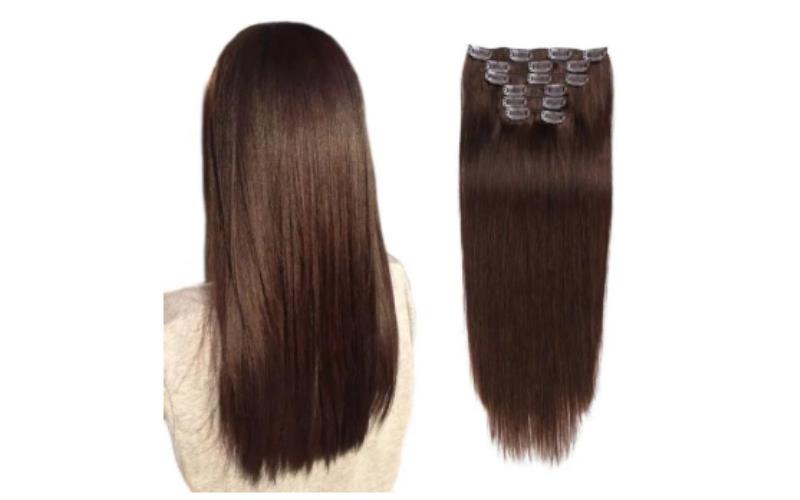
Clip-in hair extensions are perfect for those seeking a temporary solution. They come in sections with small clips attached at the top. Installation takes only a few minutes and requires no professional help. Simply clip them close to your roots for added volume or length. They are great for special occasions or a quick style change. Removal is just as easy, minimizing the risk of damage to your natural hair. However, clip-ins might not be ideal for continuous wear due to the constant clipping and unclipping, which can potentially weaken hair over time.
Tape-In Hair Extensions
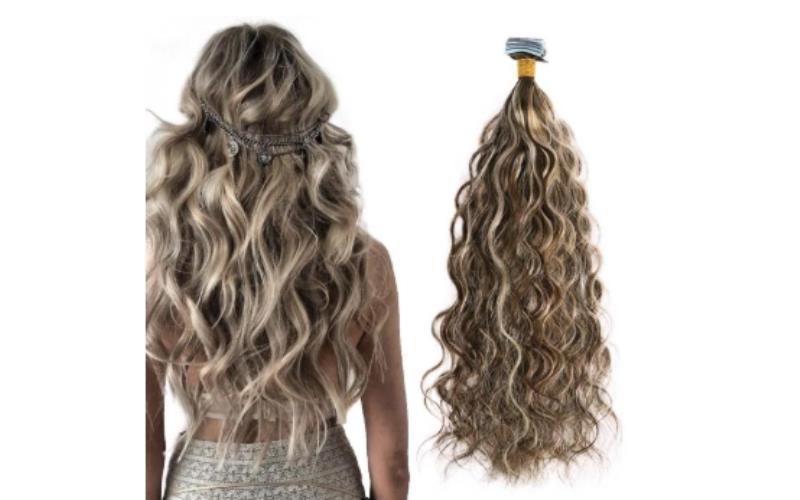
Tape-in extensions are semi-permanent and involve sections of hair attached to a thin adhesive tape. They are applied by a professional, who sandwiches your natural hair between two extension wefts. This method provides a flat and natural look, making it almost undetectable. They last around 6-8 weeks, depending on how fast your hair grows and maintenance practices. Tape-ins are suitable for fine hair due to their lightweight nature. However, frequent washing and the use of oily products should be avoided to maintain the adhesive’s strength.
Sew-In (Weave) Hair Extensions
Sew-in or weave extensions are ideal for those with thick, curly hair. This method involves braiding the natural hair into cornrows and then sewing the extensions onto the braids using a needle and thread. Sew-ins can last for up to 12 weeks but require professional installation and removal. They offer a secure and long-lasting solution for those looking for a significant style change. Regular maintenance is crucial to prevent issues like tangling or matting. Despite their sturdy nature, sew-ins can cause tension on the scalp if worn for extended periods.
How to Choose the Right Hair Extensions?
Matching Hair Texture and Color
Choosing extensions that match your natural hair texture and color is crucial for a seamless look. Extensions come in various textures such as straight, wavy, and curly. It’s important to select one that blends effortlessly with your hair. Most human hair extensions can also be dyed, but consulting a professional for color matching ensures the best results. A mismatch in texture or color can make the extensions appear unnatural, which is why careful selection is essential.
Considering Lifestyle and Maintenance
Your lifestyle greatly influences the type of hair extensions you should choose. If you lead an active life with frequent workouts, clip-ins might be the best choice due to their easy removal and reapplication. Tape-ins require less daily maintenance but limit the use of oil-based products. Sew-ins demand the most commitment but offer longevity and security for those willing to maintain them properly. Assess your daily routine and the time you’re willing to dedicate to extension care to make the best choice.
Budget and Longevity of Extensions
The cost of hair extensions can vary significantly based on type and quality. Clip-ins are generally the most affordable since you can apply them yourself. Tape-ins fall in the mid-range due to the cost of professional installation and maintenance. Sew-ins are often the most expensive, including both the hair and the professional services required. Considering not just the initial cost but also the long-term investment in maintenance and potential replacement will help you choose extensions that align with your budget.
Best Ways to Care for Human Hair Extensions
Washing and Conditioning Tips
Proper washing and conditioning are vital to maintaining the quality of your human hair extensions. Use sulfate-free and alcohol-free shampoos to avoid drying out the hair. Apply conditioner mid-length to the ends, avoiding the roots to deter loosening adhesive or sewn areas. Gently detangle your hair using a wide-tooth comb before and after washing. Restrict washing to once or twice a week to retain the extensions’ natural oils and prolong their lifespan.
Proper Storage and Handling
Storing your extensions properly prevent tangles and damage. For clip-ins, ensure they are clean and completely dry before storage. Place them in a breathable bag or box. Tape-ins and sew-ins require careful handling, so follow your stylist’s advice. Always use a soft-bristle brush for detangling and avoid brushing wet hair. Sleeping with a silk or satin pillow can also reduce friction, preventing tangles and breakage.
Preventing Damage and Tangling
Prevent damage by avoiding excessive heat styling and using heat protectants. Limit the use of styling tools to maintain the hair’s natural texture. Regularly visit your stylist for maintenance, particularly with tape-ins and sew-ins. Avoid tight hairstyles which can cause tension at the roots, leading to breakage. Gently detangle your extensions daily, starting from the ends and working your way up, and use appropriate haircare products suited for extensions.
Conclusion
Choosing the right type of human hair extensions can significantly enhance your look and boost your confidence. Understanding the distinct differences between clip-ins, tape-ins, and sew-ins helps you make an informed decision tailored to your needs. Matching the extensions to your natural hair, considering your lifestyle, and setting a budget are crucial steps in the selection process. Proper care and maintenance ensure your extensions remain in top condition, providing you with a stunning and long-lasting hair transformation. Working with reliable hair extensions suppliers can help you find high-quality options that offer versatility and beauty for any style.