Elopement Claims In Nursing Homes: How A Lawyer Can Help
 Johnathan Parker |
July 23, 2025 |
2:20 pm
Johnathan Parker |
July 23, 2025 |
2:20 pm

According to the Chubb Corporation, resident elopement poses a serious concern in any senior living facility. Statistics show that 6 out of 10 elderly persons who exhibit dementia or other cognitive impairment will elope at least once, and many are repeat wanderers. The National Council on Aging reported that 40% of 325 surveyed elopements involving elderly persons with dementia resulted in death within 24 hours.
Should a loved one have wandered away from the nursing home, it can be extremely distressing and cause grave worries. You could be worrying about the legal implications and wondering what legal rights you might possess as a family member.
It is important to understand how a nursing home elopement lawyer may assist you with these overwhelming claims so that you can prove negligence and demand that your loved one be safe. Beyond this, what else should you pursue next?
Understanding Elopement in Nursing Homes
What does elopement in a nursing facility really mean? Elopement happens when residents exit a facility without permission and supervision, often at their own peril. A family member might imagine their elderly relative slipping down the steps and into the dangers of road traffic, bad weather, or worse, encountering a stranger.
This incident can happen for numerous reasons, varying from having some sort of cognitive impairment to just wanting to experience some independence.
Understanding elopement remains critical for families and caregivers and is a call to proper supervision and security measures instituted in nursing homes.
Legal Rights of Residents and Families
Residents and their families have defined legal rights in nursing homes, especially with respect to the care standards and safety. You have the fundamental right to any environment conducive to safety free from neglect and abuse.
Nursing homes are required to ensure adequate supervision so residents are not able to wander off without due measures being taken. In case the resident elopes, one can demand answers and a quick investigation into how the whole thing actually happened.
You have the right to know everything about your loved one’s care and treatment plans. You should be allowed to express your concerns and receive timely responses.
Legal action can be taken by family members on behalf of their loved ones whenever there is any violation of these rights. Knowing certain rights empowers you to defend your dearly loved one.
The Role of Negligence in Elopement Cases
When nursing homes fail to provide adequate supervision and proper security measures, negligence becomes a major issue in elopement cases. So how could that possibly apply to your loved one?
Improper monitoring of residents, or poor fencing, can lead to dangerous situations. For example, if a resident with cognitive impairment leaves, the nursing home can be held liable for failure to take some preemptive action.
Courses of training for staff, safety issues and protocols, and incident reports can further document proof of negligence. It is at the very heart of your case that these factors exist.
An attorney may help you if you think that negligence was a factor in your loved one’s elopement. You will then work together through all the complexities of your case to seek the compensation that you deserve.
Gathering Evidence to Support Your Claim
To make a strong case for the elopement of your loved one, you would want to gather strong evidence in support of your claim.
Start from there by requesting any incident reports from the nursing home, as the incident report documents what happened and when.
Ask the staff members and other residents concerning their own accounts of the incident-they would give head-to-head context regarding the event.
Photograph the location of the elopement and point out glaring security issues such as absent locks or fencing.
Review the care plan for your loved one to determine if service neglect or oversight in keeping them safe occurred.
And finally, obtain medical records that demonstrate evidence of consequences stemming from the elopement, including injuries and psychological effects.
This evidence will assist you greatly in strengthening your case.
Advocating for Justice and Compensation
You have the right to hold someone accountable for a person’s elopement, but seeking justice and compensation can be hard.
The fundamental principle is that nursing homes are required to provide a safe environment for their residents; if there is a failure in that duty, then you can hold them liable.
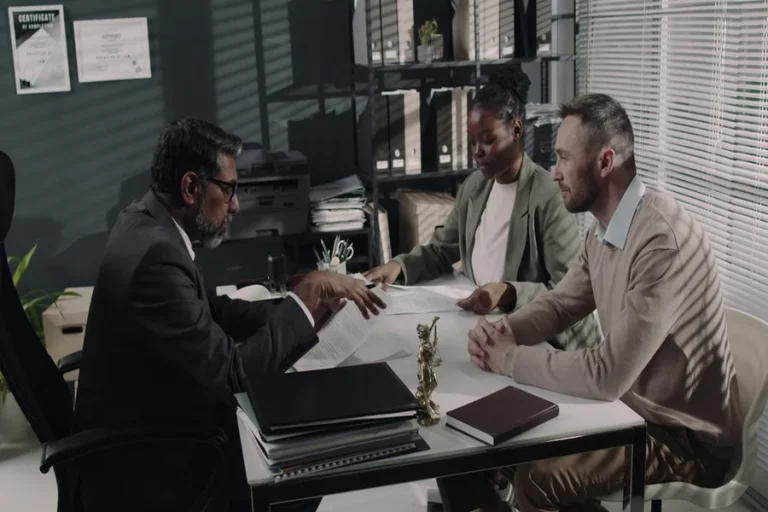
Start by contacting a lawyer who handles elopement claims. They will work with you in preparing your case through the gathering of evidence prior to initiating the legal proceedings.
An attorney will assess damages for medical bills, pain and suffering, and possibly even punitive damages in case of proven negligence.