Cultivating Thca Flower: 7 Beneficial Tips For All Growers
 Ava Thompson |
June 25, 2025 |
10:42 am
Ava Thompson |
June 25, 2025 |
10:42 am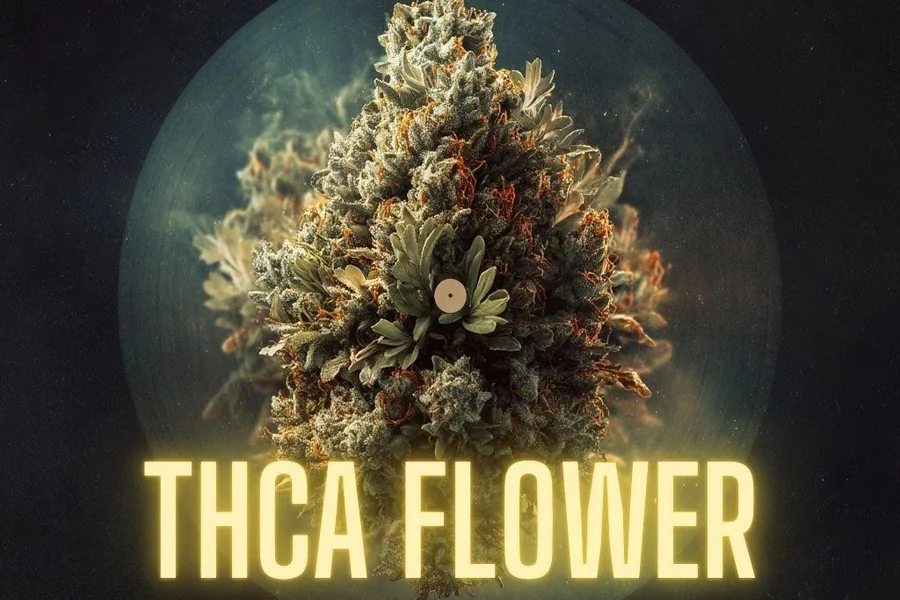
Growing THCA good soil and sunlight, successful organic growing of THCA flower will require understanding of hemp laws, cannabinoid production and how to best time harvest. The guide will provide some practical information on how a grower can use to grow high-quality, compliant THCA hemp flower.
Can You Legally Grow THCA Flowers?
Yes, you can legally grow THCA flowers in the United States as long as the plants are classified as hemp under the 2018 Farm Bill. This means the cannabis flower must contain less than 0.3% delta-9 THC on a dry weight basis.
THCA on its own is not psychoactive and is treated as a precursor to THC, therefore as long as your flower is still within federal limits in its delta-9 THC levels, it is on the federal book to grow. Nevertheless, the flower will have to be compliant, so the lab-tested outcomes and appropriate cultivation policies must be applied by growers mainly because the THCA transforms to THC due to the decarboxylation process.
Many cultivators turn to trusted sources like IndaCloud, a brand known for high-THCA flower and compliant cannabis products, to benchmark quality and compliance standards.
How to Properly Grow THC-A Flower
Production of quality THCA flower demands accuracy, due process, and knowledge to ensure that cannabis plants produce cannabinoids and at the same time do not violate the federal law on hemp. The following is breakdown in steps in order to ensure you grow a hemp flower rich in THCA and that is legal.
1. Choosing the Right THCA-Rich Strain
- Select hemp flower strains known for high THCA and low delta-9 THC content.
- Opt for premium THCA flower genetics that have been bred for potency, flavor, and compliance.
- Look for lab-tested seeds or clones that ensure your final flower stays below the 0.3% delta-9 THC threshold.
2. Creating the Ideal Environment
- Indoor cultivation provides greater control over temperature, humidity, and light cycles.
- Lighting: Use full-spectrum LED grow lights to mimic natural sunlight.
- Temperature: Maintain 70–85°F during the day and slightly cooler at night.
- Humidity: Keep humidity levels at 60–70% during vegetative growth and reduce to 45–55% during flowering.
- Use clean, filtered air to avoid contamination and preserve cannabinoid and terpene profiles.
3. Planting and Vegetative Stage Care
- Use nutrient-rich soil or a hydroponic system for optimal growth.
- Ensure a proper pH level (between 6.0 and 7.0 for soil, 5.5 to 6.5 for hydroponics).
- Promote strong root development through balanced nitrogen and micronutrient feeding.
- Regular pruning encourages bushier growth and allows light to reach more bud sites.
4. Flowering Stage Management
- Shift to a 12/12 light cycle to trigger flowering.
- Monitor trichome development closely, as this is where THCA concentration builds.
- Use phosphorus and potassium-rich nutrients to support dense bud formation.
- Keep stress minimal—temperature or light fluctuations can cause spikes in delta-9 THC levels.
- Ensure the flower is grown in clean conditions to maintain compliance and avoid contamination.
5. Harvest Timing and THCA Preservation
- Harvest when trichomes are mostly cloudy with some amber—a sign of peak THCA levels.
- Test for total THC content to verify it remains compliant on a dry weight basis.
- Cut carefully to avoid damaging the resin glands that hold cannabinoids and terpenes.
6. Drying and Curing for Maximum Potency
- Hang buds in a dark, ventilated room at 60–65°F and 45–55% humidity.
- Dry slowly over 7–14 days to preserve THCA and avoid converting it into delta-9 THC.
- Cure in airtight jars, burping daily for the first two weeks to release moisture and enhance terpene profiles.
7. Lab Testing and Legal Compliance
- Use certified labs to measure THC on a dry weight basis, ensuring levels stay below 0.3%.
- Test for contaminants such as heavy metals, mold, and pesticides.
- Maintain documentation proving the flower is compliant with federal guidelines and safe to consume.
- Proper testing also helps market the flower as lab-tested, premium quality, and federally legal.
Benefits of Growing Your Own THCA Hemp Flower
Growing your own THCA hemp flower offers more than just control over your crop—it allows you to tailor every aspect of the process to ensure quality, compliance, and satisfaction. Here are some key benefits:
- Quality Assurance – You control the cultivation environment, ensuring clean, lab-tested flower free of contaminants.
- Cost Savings – Producing your own flower reduces the expense of buying premium THCA flower online or in stores.
- Strain Customization – Choose from a variety of strains to suit your desired cannabinoid and terpene profile.
- Compliance Confidence – Monitor and test your crop to ensure it remains compliant with federal guidelines under the 2018 Farm Bill.
- Freshness – Enjoy flower that’s harvested, dried, and cured exactly to your standards for maximum potency and flavor.
- Educational Value – Learn about cannabinoids, decarboxylation, and how THCA converts to THC, deepening your understanding of cannabis.
- Sustainability – Growing at home reduces packaging waste and shipping emissions associated with buying flower for sale.
Considerations Before Cultivating THCA Flowers
Before you start cultivating THCA flowers, it’s essential to understand the legal, environmental, and technical factors involved. Here are important points to consider:
- Legal Compliance – Ensure your crop will contain less than 0.3% delta-9 THC on a dry weight basis to stay federally legal.
- State Regulations – Check local laws, as some states have stricter rules despite federal guidelines.
- Lab Testing Access – Plan for regular lab testing to verify cannabinoid content and compliance.
- Grow Environment – Decide whether to grow indoors or outdoors based on climate, space, and budget.
- Genetics Matter – Choose compliant, lab-tested THCA hemp flower strains known for high THCA and low delta-9 THC.
- Time and Labor – Be prepared for hands-on work, from planting to harvesting and curing.
- Storage and Preservation – Properly cure and store your flower to maintain potency and prevent THCA from converting to THC.
- End Use – Consider how you plan to consume THCA flower—raw cannabis, decarboxylated, or infused products.
Final Thoughts
With the right knowledge, tools, and attention to compliance, cultivating THCA flower can be a rewarding process that yields premium hemp products. By following best practices and staying within federal guidelines, growers can produce high-quality, lab-tested flower that offers both therapeutic effects and legal peace of mind.
Frequently Asked Questions
What’s the difference between THCA flower and traditional marijuana?
THCA flower is derived from hemp and contains tetrahydrocannabinolic acid, which is non-psychoactive until it undergoes decarboxylation. Traditional marijuana usually contains higher levels of delta-9 THC, the psychoactive compound responsible for intoxication.
Can THCA flower trigger a positive drug test?
Yes, consuming THCA flower may lead to a positive drug test. Once heated, THCA converts to THC, which can be detected in standard drug screenings.
How long does it take to grow THCA hemp flower?
From seed to harvest, growing THCA flower typically takes 3 to 5 months, depending on the strain, growing method, and environmental conditions.
Do you need a license to grow THCA flower?
In most states, you need a hemp cultivation license to grow THCA flower legally. Check with your state’s Department of Agriculture for specific requirements.
How should THCA flower be stored after harvest?
Store cured flower in airtight, UV-protected containers in a cool, dry place to preserve cannabinoids and terpenes while preventing THCA from converting into delta-9 THC.
Is it possible to grow THCA flower outdoors?
Yes, but outdoor cultivation requires more control over environmental stressors, pests, and potential THC spikes. Indoor growing is often preferred for maintaining consistent compliance and potency.