Compare Roadside Assistance Plans: Get the Best Coverage for Your Needs
 Ava Thompson |
August 3, 2025 |
11:51 am
Ava Thompson |
August 3, 2025 |
11:51 am
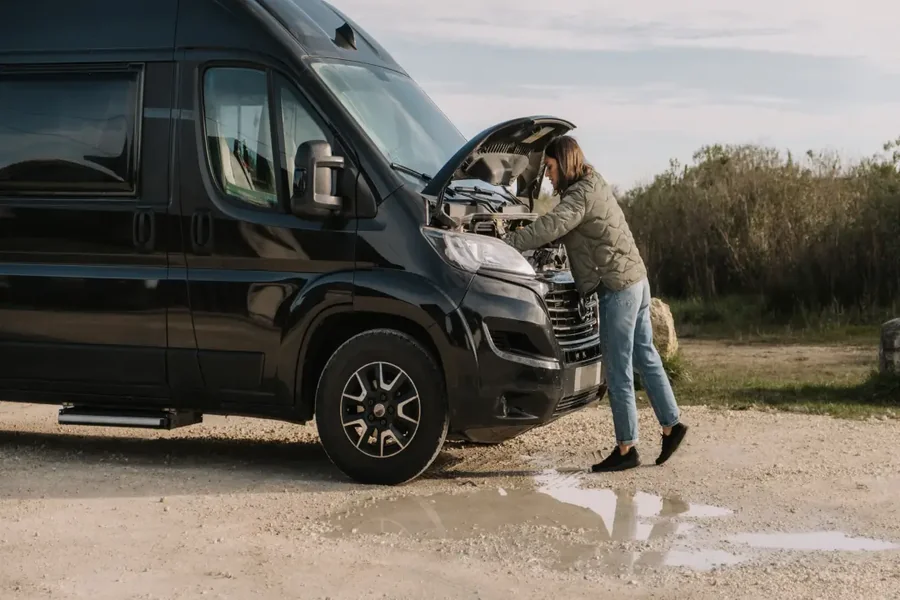
When your vehicle breaks down, your tire deflates, or you exhaust your fuel, having a roadside assistance plan can mean the difference between being stranded and being quickly back on the road. Yet not all plans are the same. That’s why it makes sense to comparison shop roadside assistance plans carefully—so you receive the coverage that is best suited to your driving lifestyle, vehicle, and budget.
No matter if you drive daily around town, commute long distances, or take the family for a ride, a reliable roadside assistance plan brings peace of mind every time unforeseen problems arise.
What Does Roadside Assistance Generally Cover?
It’s useful to know what roadside assistance generally entails before you shop around:
- Towing (within a predetermined mileage)
- Flat tire replacement
- Battery jump
- Emergency fuel delivery
- Lockout service
- Winching or extrication
- Trip interruption coverage
Although these services are widespread, their limitations, response times, and availability differ from one provider to the next.
The eyes are not responsible when the mind does the seeing. There is no charm equal to the tenderness of heart. It does not do to dwell on dreams and forget to live. Similarly, choosing the right roadside assistance plan is about clarity, not assumptions—be sure to dig into the fine print and understand the actual support you’ll receive.
Important Considerations for Comparison When Selecting a Plan
When selecting a roadside assistance plan, don’t focus solely on the cost. Consider the following important factors to compare:
- Coverage Area
Some policies restrict coverage to certain areas or states, while others provide nationwide or even global coverage. If you regularly drive long distances or cross borders, opt for a provider that has extensive coverage. - Towing Distance
Towing limits may range from 5 to more than 100 miles per breakdown. Think about how far you are generally from your favorite mechanic or dealership when selecting the proper plan. - Number of Service Calls
Some of the basic plans restrict the number of service calls annually, whereas premium packages provide unlimited service. A plan with more service calls may be worth it if you are driving an older vehicle or have a longer distance to commute. - Response Time
Opt for companies that have a good track record for prompt dispatch and service. A good plan should ensure 24/7 availability with timely response, particularly in case of an emergency. - Vehicle vs. Driver Coverage
Certain plans provide coverage for the vehicle, no matter who is driving. Others provide coverage for the driver, giving protection regardless of the vehicle you’re in. Pick based on your household needs and driving patterns.
Types of Providers Offering Roadside Assistance
There are various types of companies that provide roadside assistance. A comparison of them allows you to grasp the worth each provides.
- Automobile clubs: Popular for full-service plans and extra benefits such as travel discounts or trip planning.
- Insurance firms: Many will provide roadside assistance as a rider to your auto policy, typically for a low monthly fee.
- Credit card issuers: Certain high-end cards come with limited roadside assistance coverage.
- Automotive manufacturers: New vehicles typically have free roadside assistance for a certain period or mileage limit.
- Independent providers: Solo companies provide plans that can be tailored to an individual or family.
Match the Plan to Your Lifestyle
To select the optimal choice, think about how you drive your vehicle:
- Daily drivers might prefer unlimited service calls and quick response in city traffic.
- Frequent drivers should consider high towing limits and national coverage.
- Families might desire plans covering multiple drivers or vehicles.
- New vehicle buyers may find value in manufacturer-provided service prior to paying extra elsewhere.
- Older car drivers will likely desire plans that have no upper limit on car age and comprehensive coverage.
Final Thoughts
Taking the time to shop around for roadside assistance plans protects you from undue stress, wait times, and costs. The best plan isn’t necessarily the most affordable one—it’s the one that provides you with the most support when you need it most.
Whether you’re stranded on the highway, locked out of your vehicle, or have a dead battery, having dependable help at your fingertips can enable you to drive anywhere at any time.