
How to Evaluate Cigarettes: Label Clues, Build Quality, and Lab Reports That Matter
 Johnathan Parker |
November 9, 2026 |
12:47 pm
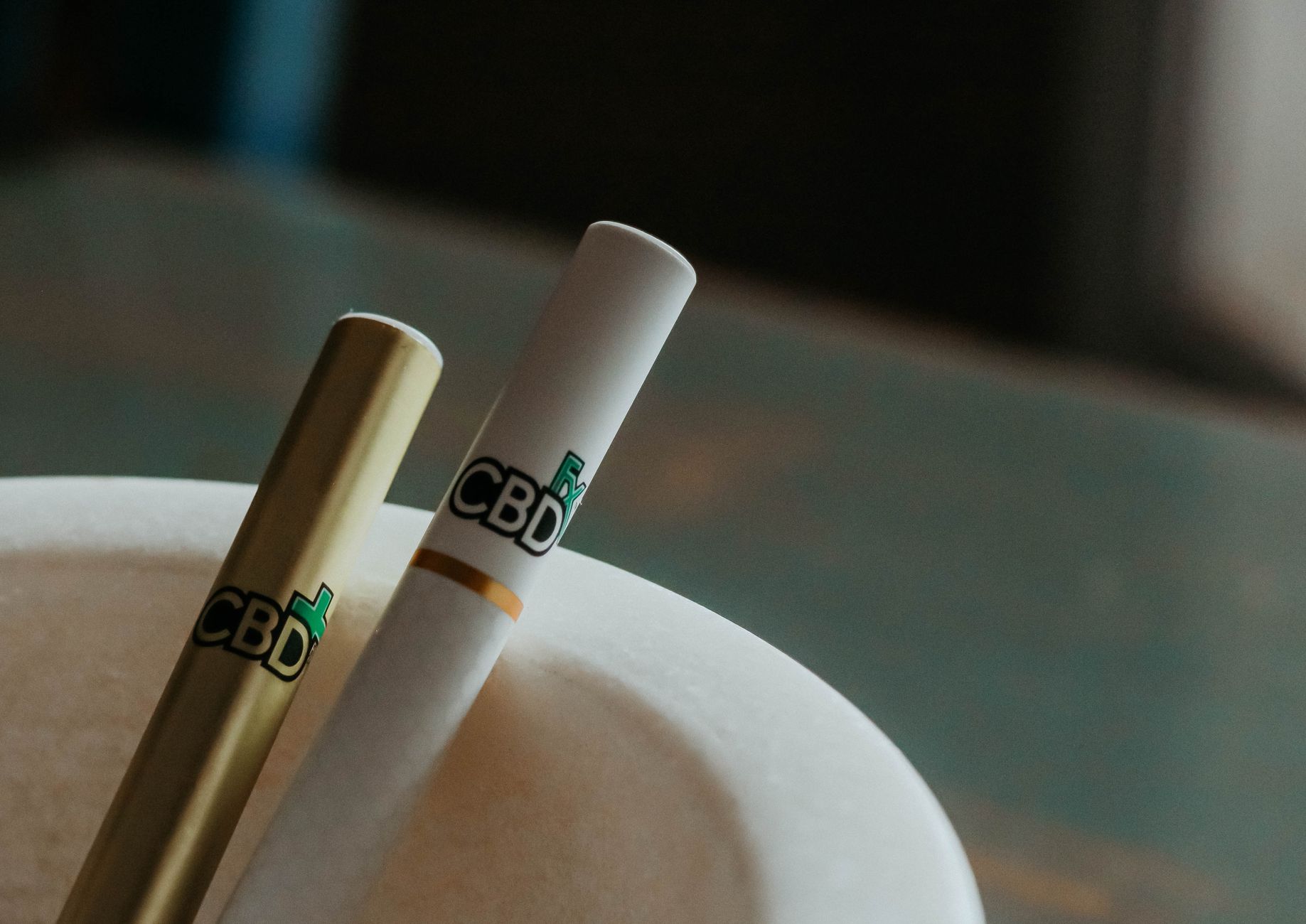
CBD cigarettes appeal to people who want a familiar, fast acting format without nicotine. But the hemp category varies widely in ingredients, construction, and testing, which makes a smooth, consistent experience hit or miss if you go by branding alone. A better approach is to judge each pack by what is on the label, how the cigarette is built, and whether independent lab results confirm what is inside. This guide focuses on those specifics so you can compare products confidently, from “mg CBD per stick” claims to paper, filter, grind, and moisture choices that shape flavor and harshness, plus the Certificate of Analysis that should back every batch.
What “mg CBD per stick” actually tells you
Start by decoding the per stick number. Some labels list only CBD, while others show total cannabinoids (CBD plus minor compounds such as CBC or CBG). A common mistake is mixing up milligrams per stick with milligrams per pack; products that highlight a large pack total can still deliver modest CBD per cigarette once you divide. Also check whether the hemp inside is naturally rich in cannabinoids (whole flower) or “infused,” where CBD isolate or distillate is added to shake or homogenized material. Infusion can raise potency but may taste sharper if coating is heavy. Many product pages clarify whether the figure refers to CBD alone or total cannabinoids, as shown on this website.
Look for batch specific context around the number. Hemp is agricultural, so strain, harvest, and storage change potency and aroma. Responsible brands tie each pack to a batch ID, with a test date and a range for expected CBD per stick. If the label mentions “full spectrum,” you are getting naturally occurring hemp compounds within legal limits, including trace delta 9 THC at or below the federal threshold. If it says “broad spectrum” or “isolate,” expect fewer aromatic compounds and a milder scent, but potentially less of the herbal, terpene forward character many seek from flower based smokes.
Paper, filter, grind, and moisture: construction that controls harshness
How a hemp cigarette is built often determines whether it tastes smooth, burns evenly, and stays lit. Paper matters: thinner, unbleached hemp papers tend to burn slower and add less papery flavor, while bleached or thicker papers can speed the burn or taste more pronounced. Filters differ too. Standard cellulose acetate tips reduce particulates and cool the draw; charcoal infused filters can further mellow harshness but may also mute aroma; corn husk or paper crutch styles keep structure without as much filtration, preserving more flavor but letting more smoke density through. Ventilation holes in the tipping paper also change draw resistance. If holes are too open, you may get a thin, airy puff; too closed, and the cigarette can feel hot and harsh.
Inside the tube, grind size and pack density control burn. Cigarettes packed with overly fine material can restrict airflow and canoe or go out between puffs; chunky, uneven grind can spark or tunnel. Moisture is the third variable. Over dry hemp burns hot and fast; over moist can struggle to light and may taste grassy. Signs of good construction include an even ember, minimal canoeing, and a firm, not rock hard, roll. If your pack arrives dry to the touch, an airtight tin with a small humidity pack designed for herbs can restore balance. Just avoid over humidifying, which invites uneven combustion.
Terpenes and flavor additions affect aroma, discretion, and feel
Terpenes such as myrcene, limonene, and pinene naturally occur in hemp and shape the sensory profile. Terpene rich flower often delivers a fuller nose and a more complex taste, but it also smells more obviously like cannabis. Some products add botanical terpenes or menthol for a cleaner or minty finish. That can be pleasant and cooling, especially with charcoal filters, yet the trade off is authenticity and discretion: added flavors may carry farther in the air, and menthol can overshadow subtle hemp notes. If you need a low profile smoke on a quick break, a lightly filtered, naturally mild cultivar might be preferable to heavy flavorings. For an evening wind down on the porch, a terpene forward blend can feel more satisfying and aromatic.
Reading a Certificate of Analysis for hemp cigarettes
A batch matched Certificate of Analysis (COA) is your verification step. At minimum, it should show a cannabinoid profile, including delta 9 THC within compliant limits based on federal law, and the CBD concentration used to estimate per stick content. If the cigarettes are infused with isolate or distillate, look for residual solvent testing. Because hemp is bioaccumulative, pesticide and heavy metal screens add peace of mind, and microbial testing helps rule out mold and bacteria. Many packages or product pages offer a QR code; scan it to confirm the COA aligns with your specific lot number and that the report date is recent enough to reflect current potency and freshness.
One common pitfall is checking only CBD potency and ignoring everything else on the report. Outdated COAs, missing batch IDs, or “total cannabinoids” without a breakdown can hide big differences in how a cigarette will taste or feel. Another red flag is an unlabeled blend of “industrial hemp” with no mention of flower grade, infusion method, or contaminant testing. When the paperwork looks complete and specific, the on smoke experience is more likely to match the label. When it is vague, you are relying on luck instead of data.
Real world use cases, storage, and next steps
Think through how you plan to smoke to match construction and potency to your setting. For a commuter’s 10 minute break, an evenly packed, thin paper cigarette with moderate CBD per stick and a standard filter keeps the session tidy and predictable. For a longer sit down session at home, a terpene forward, full spectrum blend with minimal flavor additives can deliver a slower, richer burn. If you are replacing a nicotine ritual, remember that hemp is nicotine free; some users find that a firmer filter and familiar hand to mouth timing help, while others keep a zero nicotine e liquid or herbal tea handy to round out the habit. Whichever route you choose, follow local smoke free rules and be mindful that hemp aroma can resemble cannabis to bystanders.
Keep unopened packs in a cool, dark place and, once opened, store your cigarettes in an airtight tin with a small humidity pack to prevent over drying. Rotate packs so older batches get used first, and revisit the COA when you restock because hemp potency and terpene profiles shift across harvests. If you want to fine tune effects, try a simple A/B test over a week: one pack with a charcoal filter and infused CBD for maximum smoothness and potency, and one pack made from whole flower with unbleached hemp paper for richer flavor. By grounding your choice in labels, build quality, and lab reports, you will spend less time guessing and more time enjoying a consistent, clean burning hemp smoke.