When people think about upgrading a property’s exterior, they usually picture a fresh coat of paint, manicured landscaping, or modern siding. Yet, some of the most critical upgrades happen in the invisible details—the seals, joints, and perimeter protections that keep the elements at bay. True architectural longevity relies just as much on what you cannot see beneath the surface as it does on outward aesthetics.
The Hidden Vulnerabilities of Modern Buildings
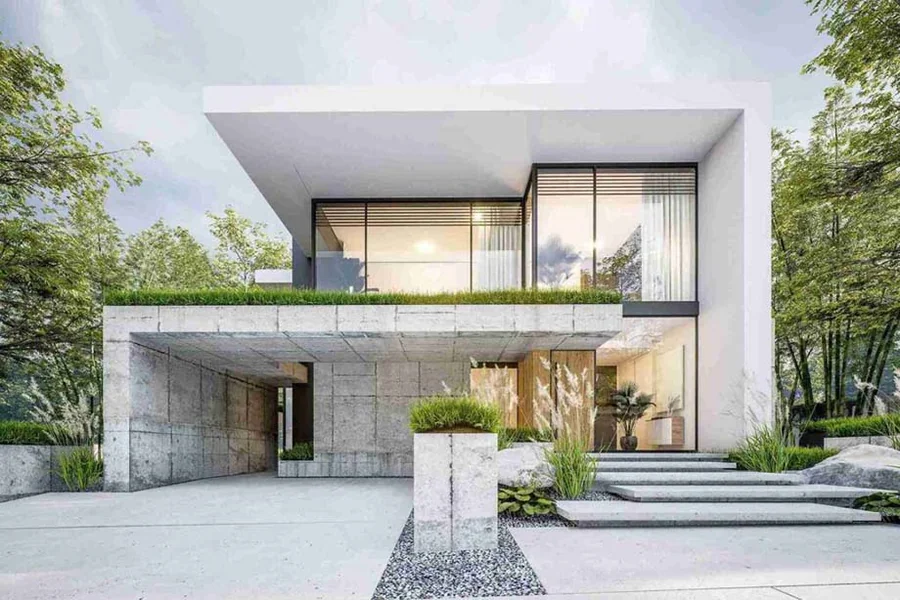
Modern architecture leans heavily into expansive glass facades, clean lines, and mixed-material construction. While these design choices look striking, they introduce complex joining points where different surfaces meet. Without proper protection, minor shifts from seasonal temperature changes and everyday mechanical stress can create microscopic gaps.
Over time, these tiny openings invite moisture infiltration, leading to structural degradation, indoor drafts, and soaring energy bills. Protecting a property requires reliable technical solutions, starting with high-performance gasket profiles integrated around windows, doors, and structural joints. These elements work silently behind the scenes to absorb thermal movement and block out wind and water entirely.
Why Quality Matters in Material Selection
Choosing the right materials during construction or renovation is rarely just about immediate aesthetics or ease of installation. In the modern building sector, overall structural resilience depends heavily on components that can maintain their elasticity, strength, and chemical stability over decades of exposure to harsh UV rays, torrential rain, and freezing temperatures.
According to industry insights from BuildingGreen, selecting durable, low-maintenance architectural components significantly reduces the environmental footprint of a building over its lifecycle. By preventing premature material degradation, property managers avoid extensive structural repairs and minimize the waste generated by frequent replacements.
Smart Integration and Precision Engineering
Manufacturing components that stand the test of time requires advanced extrusion technology and rigorous quality control. When developers partner with experienced manufacturers like Primo, they gain access to customized solutions designed to fit unique architectural profiles. Whether working on residential window frames or large-scale commercial curtain walls, precision-engineered components ensure a tight, secure fit that eliminates potential weak points in the building envelope.
Furthermore, modern manufacturing techniques allow these sealing elements to be produced with sustainable polymers, helping builders meet strict green building certifications without sacrificing performance.
Small Upgrades, Long-Term Peace of Mind
Ultimately, maintaining a modern home or commercial property is an exercise in preventative care rather than reactive fixes. By focusing on critical structural junctions and upgrading vulnerable perimeters before issues manifest as leaks or drafts, property owners save time, money, and valuable resources.
Investing in quality building solutions ensures that a structure remains secure, energy-efficient, and visually stunning for years to come. When you look closely at what makes a building truly sustainable, it is often these small, well-engineered details that make all the difference.