How Cardio Tennis Combines Fitness With Tennis Skill Development
 Johnathan Parker |
September 17, 2026 |
9:21 pm
Johnathan Parker |
September 17, 2026 |
9:21 pm
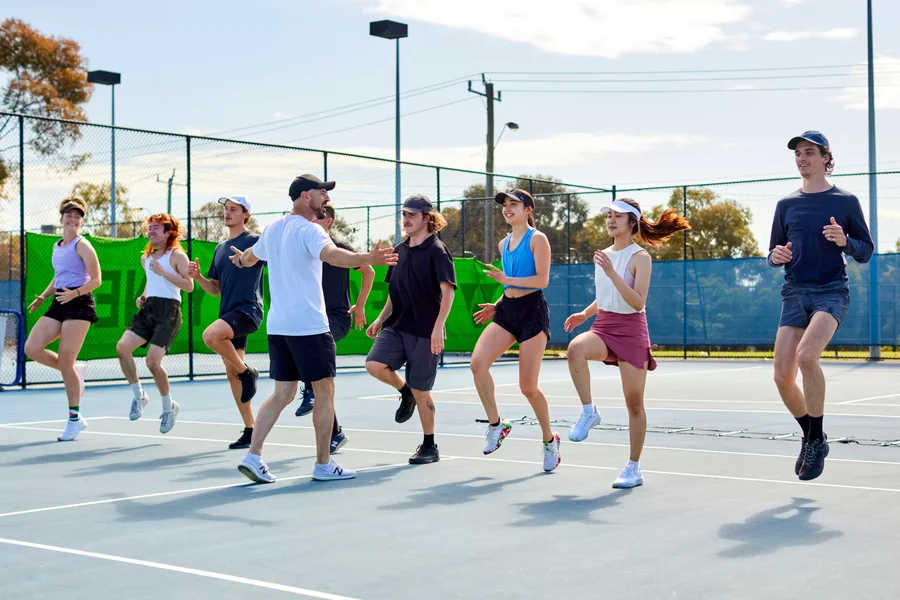
Finding a workout that improves fitness while remaining enjoyable can make it easier to stay active consistently. Cardio Tennis combines tennis-based movements, repeated hitting and group exercises to create a fast-paced session that keeps participants moving around the court. Players interested in this style of training may look to an Evolve Tennis Academy Sydney Cardio Tennis expert to experience sessions that bring together cardiovascular exercise and practical tennis activities.
Unlike a traditional tennis lesson, the main objective is not necessarily to spend long periods analysing individual strokes. Cardio Tennis generally places greater emphasis on continuous movement, participation and repeated practice, allowing players to work on their fitness while still spending time with a racquet on court.
Tennis Creates a Naturally Active Workout
Tennis involves much more physical movement than simply hitting a ball. Players accelerate, slow down, change direction and repeatedly move between different areas of the court. These movement patterns can create a dynamic cardiovascular workout. Instead of maintaining exactly the same pace throughout the session, participants often move through periods of higher and lower intensity. Cardio Tennis builds on these characteristics by organising drills to keep players active. Rather than waiting for long periods between shots, participants may rotate through exercises, hitting stations and movement activities.
This structure can be appealing to people who find conventional cardio workouts repetitive. The focus on responding to a ball or completing the next drill can make the exercise itself feel less monotonous. The intensity will vary depending on the session, fitness level and individual participation, so players can gradually become accustomed to the physical demands.
Repeated Hitting Helps Develop Tennis Skills
Although fitness is an important part of Cardio Tennis, participants are still using a racquet and practising tennis movements throughout the session. Repeated hitting provides opportunities to become more familiar with forehands, backhands, volleys and other common shots. Players can practise timing and racquet control while moving rather than always hitting from a stationary position. For beginners, this repetition can help build familiarity with basic tennis movements. More experienced players may use the sessions to practise maintaining their technique while physically challenged.
The fitness-focused format means Cardio Tennis should not necessarily be viewed as a replacement for technical coaching. Players wanting detailed changes to stroke mechanics may still benefit from structured lessons. Instead, the two approaches can complement each other. Coaching can develop technique in detail, while Cardio Tennis gives players opportunities to repeat those movements in a more active environment.
Footwork and Agility Become Part of the Exercise
Good tennis depends heavily on movement. Reaching the ball is only part of the challenge. Players also need to position themselves appropriately before hitting and recover afterwards. Cardio Tennis drills can incorporate many of these movement patterns. Participants may practise lateral movement, short accelerations, changes of direction and recovery steps as they move through exercises. Over time, repeated exposure to these movements may help players become more comfortable navigating the court.
Agility is particularly important because tennis rarely requires movement in only one direction. A player might move sideways for one shot, forward for the next and then quickly recover towards another position. Coordination is also challenged because participants need to combine movement with tracking and striking the ball. This combination can make tennis-based exercise different from cardio activities involving more predictable movement patterns.
Fitness Can Support Performance During Longer Matches
Technical skill is important in tennis, but players also need enough physical capacity to continue using those skills throughout a match. Fatigue can affect movement, preparation and decision-making. A player may have a reliable forehand early in a session but find it harder to maintain the same positioning and control after repeated points.
Cardiovascular conditioning can help support sustained physical activity on court. Cardio Tennis gives participants an opportunity to experience repeated movement and hitting within a fitness-focused environment. The aim is not to reproduce every aspect of competitive match play. Matches involve scoring, tactical decisions and different patterns of rest and activity. However, improved general conditioning can support a player’s ability to remain physically active for longer periods. Players interested in competition can combine fitness sessions with coaching and match experience to develop different aspects of their game.
Group Sessions Can Make Exercise More Engaging
Another feature of Cardio Tennis is the group environment. Exercising alongside other participants can create a different experience from training alone. Group drills can introduce variety because players interact with different balls, partners and activities throughout the session. Music may also be incorporated into some Cardio Tennis formats to help create an energetic atmosphere. For people who struggle to stay motivated during individual gym workouts, having a scheduled group session can provide additional structure.
The social element may also appeal to adults who want to exercise while meeting other people interested in tennis. Participants do not necessarily need to approach every session as serious competitive training. This combination of activity, tennis and social interaction can make regular exercise easier to enjoy. Enjoyment matters because a fitness routine provides limited value if someone finds it difficult to maintain consistently.
Cardio Tennis Can Complement Other Training
Cardio Tennis does not need to be the only form of exercise or tennis training someone undertakes. It can form one part of a broader weekly routine. A tennis player might combine technical lessons, Cardio Tennis and match play. Each serves a different purpose. Coaching allows detailed work on technique and tactics, fitness sessions develop conditioning, and matches provide opportunities to apply skills under competitive pressure. General strength and mobility work may also complement tennis because the sport requires movement across multiple directions and repeated use of the upper and lower body.
Beginners can take a gradual approach rather than attempting to train at maximum intensity immediately. Appropriate footwear, hydration and suitable warm-up and recovery practices are also important. Anyone returning to exercise after a long period of inactivity, or managing an existing health condition or injury, should consider seeking appropriate professional advice before beginning a demanding new exercise program.
Conclusion
Cardio Tennis combines the movement demands of tennis with a fitness-focused session designed to keep participants active. Repeated hitting allows players to practise racquet skills while footwork, changes of direction and continuous movement contribute to the physical workout.
It can be particularly useful as a complement to traditional tennis coaching rather than a direct replacement. Technical lessons, fitness training and match play each develop different parts of a player’s overall game. For people who enjoy tennis but also want a more engaging way to work on their fitness, Cardio Tennis can provide an opportunity to develop conditioning and court familiarity within the same session.