A Breakaway Threat Has Lit the Torch Paper in College Football
 Johnathan Parker |
August 11, 2026 |
11:00 am
Johnathan Parker |
August 11, 2026 |
11:00 am
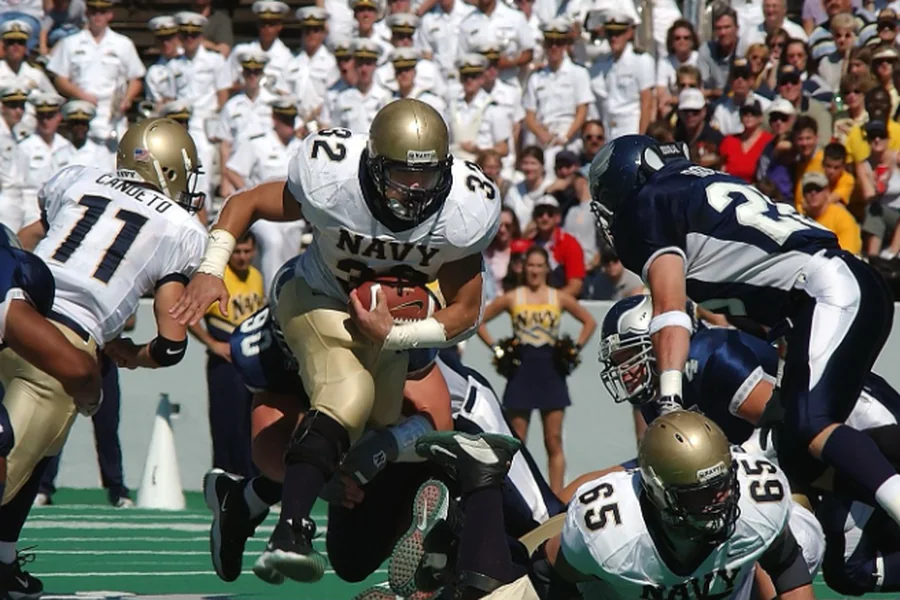
The structures of college football often change in the United States. A good example of that is the Big Ten Conference. Traditionally, the conference consisted of ten teams – in fact, it used to be called the Big Nine, with nine teams – but today it has 18 teams, even though it retains the Big Ten nomenclature. It can be confusing, too. Consider that Berkley and Stanford – both famous California universities – play in the Atlantic Coast Conference.
Regardless of the tweaks and quirks, the removal and addition of colleges here and there down the years, the fundamental premise is that, eventually, the regular season and the playoffs will decide the best college football team in the country. But what if things were to change?
Right now, there are serious threats from the Southeastern Conference (SEC) to break away from the overarching FBS that administers and organizes the elite college football competitions. A breakaway conference might not happen tomorrow, but the fact that it is being taken seriously has worrying implications, potentially uprooting the foundations of college football.
The SEC wants more autonomy and financial control
The arguments are varied, but the bottom line is that the SEC basically wants more control and autonomy from the overarching NCAAF. That control and autonomy would cover many different elements, basically that conferences would make their own rules on concepts like the luxury tax and salary cap, as well as revenue sharing from lucrative broadcast deals. The latter was agreed under a deal known as the House settlement.
The reason the SEC is in such a strong position is that it is considered the most popular and financially strong conference in college football. That, however, does not necessarily mean it contains the best teams, at least right now. The current national champions, the Indiana Hoosiers, play in the Big Ten Conference. The favorites in the college football betting odds for the upcoming season, Ohio State, also play in the Big Ten.
A breakaway would weaken the overall college football competition
But it is undeniable that the SEC is a huge draw, boosted by the fervent fan bases of teams like the Crimson Tide, Razorbacks, Gators, Tigers, Ole Miss, and more. We are trying to think of a sporting parallel of what it would be like should the SEC break away, and we think the most apt comparison would be the American League East breaking away from the rest of Major League Baseball. MLB would still survive, but it would be weakened by losing historically popular teams like the New York Yankees and Boston Red Sox.
As mentioned, this is probably not going to happen right away – if at all. The new season, a mere few weeks away, will likely go ahead without a hitch, though fans probably won’t want to tempt fate. The most likely resolution is that the SEC receives some concessions, though maybe not everything it wants. Yet, the threat of breakaway remains on the table. And while that may be initially viewed as a success for the SEC, allowing it to decide its own fate, the multi-decade traditions of college football as a national competition face the prospect of being eroded. It could be a case of being careful what you wish for.