Understanding Metal Building Construction: Design, Engineering, and Performance
 Ava Thompson |
February 25, 2026 |
11:01 am
Ava Thompson |
February 25, 2026 |
11:01 am
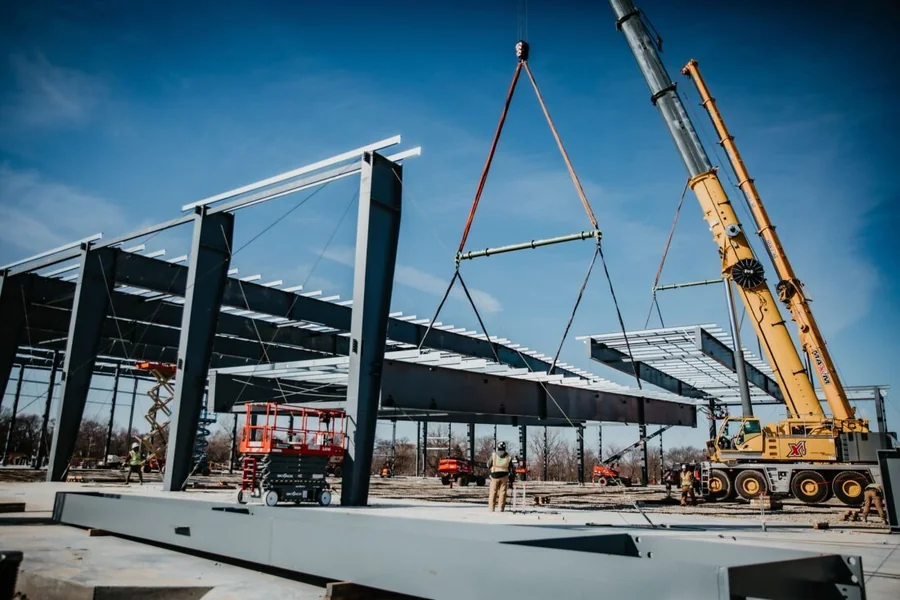
Metal building construction has evolved significantly over the past several decades, becoming one of the most efficient and versatile construction methods used today. Once associated primarily with agricultural or industrial structures, modern metal buildings are now widely used for commercial, municipal, warehousing, and even architectural applications. Understanding how metal buildings are designed, engineered, and constructed helps owners and developers make informed decisions about durability, cost, and long-term performance.
At its core, a metal building system is an integrated structure designed around a steel framing package. Unlike conventional construction, where components are sourced and designed independently, metal buildings are typically engineered as a complete system. This includes the primary structural frames, secondary framing such as purlins and girts, roof and wall panels, bracing, and connection details. This systems-based approach reduces conflicts in the field and improves construction efficiency.
Design and Engineering Principles
Metal buildings are engineered to meet site-specific loads, including wind, snow, seismic activity, and occupancy requirements. Engineers calculate these loads based on local building codes and environmental conditions. Because steel has a high strength-to-weight ratio, metal buildings can span large distances without interior columns, making them ideal for warehouses, manufacturing facilities, and aircraft hangars.
Another advantage of metal building systems is their adaptability. Clear spans, multi-span layouts, mezzanines, and crane systems can all be incorporated into the design. Roof slopes, panel profiles, insulation systems, and exterior finishes can be customized to meet both functional and aesthetic goals.
Materials and Components
The primary structural system typically consists of rigid frames fabricated from tapered steel members. These members are engineered to place steel only where it is structurally required, reducing material waste while maintaining strength. Secondary framing supports the exterior panels and transfers loads back to the primary frames.
Exterior panels are commonly made from roll-formed steel and are available in various profiles and finishes. Modern coatings improve corrosion resistance, color retention, and longevity, making metal buildings suitable for harsh environments, including coastal or high-humidity regions.
Performance and Longevity
Properly designed and installed metal buildings offer excellent long-term performance. Steel is non-combustible, resistant to pests, and does not warp or rot. When combined with modern insulation systems, metal buildings can meet or exceed current energy efficiency standards.
Maintenance requirements are typically lower than traditional construction, especially when high-quality coatings and fastener systems are used. For owners focused on lifecycle cost rather than just initial construction cost, metal buildings often present a compelling value proposition.
Construction Expertise Matters
While metal building systems are highly engineered, their performance depends heavily on proper installation. Experienced contractors understand the sequencing, tolerances, and structural nuances required for successful erection. Precision in foundation layout, anchor bolt placement, and structural alignment is critical.
Companies like Horn Construction emphasize this expertise by combining engineering knowledge with hands-on field experience. When metal buildings are constructed by professionals who understand both the design intent and real-world conditions, owners benefit from faster schedules, fewer issues, and long-term reliability.