How to Sell a Rental Property With an Active Lease in Place
 Johnathan Parker |
January 7, 2026 |
10:18 pm
Johnathan Parker |
January 7, 2026 |
10:18 pm
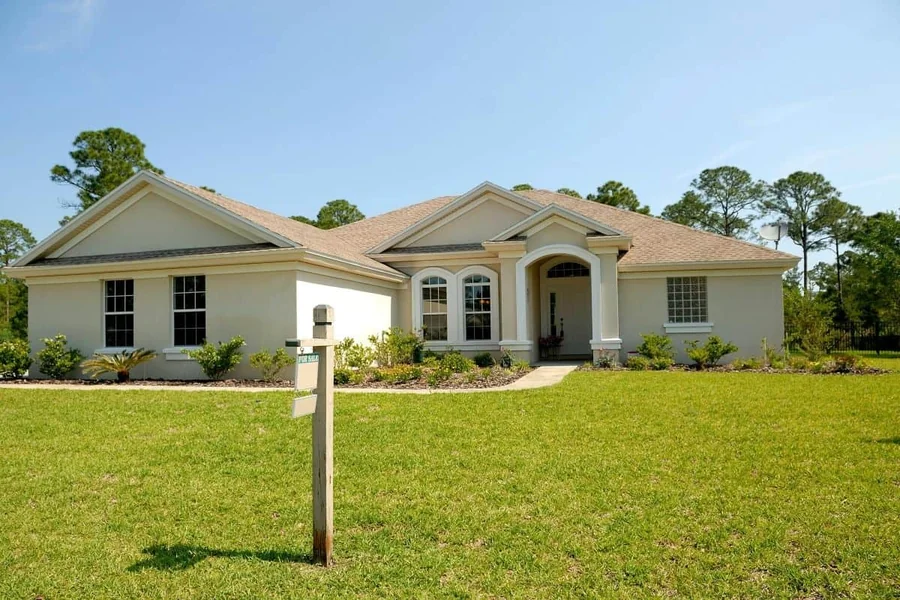
Selling a rental property is already different from selling a primary residence, and the process can feel even more complicated when there is an active lease in place. Many landlords worry that a tenant living in the property will make it harder to sell or limit buyer interest. While there are challenges, it is entirely possible to sell a rental property with an active lease in place if you understand your options and plan accordingly.
Understanding tenant rights and lease terms
The first step in selling a rental property with a tenant is reviewing the lease agreement. The lease outlines the tenant rights, rent amount, lease duration, and any clauses related to property sale. In most cases, a lease remains valid even after the property is sold. This means the new owner must honor the existing lease terms.
Tenant protection laws vary by state and city, so it is important to understand local regulations. Some areas require advance notice before showings, while others limit when a tenant can be asked to move.
Communicating with your tenant
Clear and respectful communication with the tenant is essential. Letting them know your intention to sell can help avoid misunderstandings and reduce tension. Some tenants are cooperative and may allow showings with proper notice. Others may feel uncertain about their future and become less flexible.
In some situations, landlords offer incentives such as reduced rent or a move out bonus to encourage cooperation. These arrangements should be documented in writing to avoid confusion.
Challenges of selling to traditional buyers
Selling a rental property with an active lease to a traditional buyer can be difficult. Most retail buyers want to live in the home themselves, which is not possible until the lease ends. Buyers using mortgage financing may also face restrictions if the property does not meet owner occupancy requirements.
Additionally, showing a property with a tenant can be challenging. The home may not be staged, and scheduling showings around tenant availability can slow the process. These factors often reduce buyer interest on the open market.
Deciding whether to wait or sell now
Some landlords choose to wait until the lease expires before selling. This can open the property to a wider range of buyers, but it also means continuing to manage the rental and deal with maintenance and tenant issues.
If you need to sell sooner due to financial reasons, relocation, or changes in investment strategy, waiting may not be practical. In these cases, alternative selling options may make more sense.
Choosing to sell my house as is
Many landlords decide to sell my house as is when there is an active lease. Selling as is means you do not make repairs or upgrades before selling. The property is sold in its current condition, with the lease and tenant in place.
This approach is often attractive to investors who are comfortable taking over a rental property and managing tenants. It also allows you to avoid spending money on improvements that primarily benefit the next owner.
How cash home buyers fit into the picture
Cash home buyers are often an ideal match for rental properties with active leases. These buyers are usually investors themselves and understand how to evaluate income producing properties. Because they do not rely on mortgage financing, they are not restricted by owner occupancy rules.
Cash home buyers are often willing to purchase properties with tenants in place and take over the lease after closing. This can result in a faster and smoother transaction compared to a traditional sale.
Why some landlords choose to sell my house for cash
Choosing to sell my house for cash can simplify the sale of a rental property. Cash sales typically involve fewer contingencies, fewer inspections, and shorter closing timelines. This can reduce disruptions for both the landlord and the tenant.
While cash offers may be lower than top retail prices, many landlords value the certainty and speed, especially if they want to exit the rental business or free up capital for other investments.
What happens to the tenant after the sale
After the sale, the tenant usually remains in the property under the same lease terms. Rent payments are directed to the new owner, and security deposits are transferred according to local laws. The new owner assumes responsibility for maintenance and lease compliance.
It is important to ensure that all tenant related documents and deposits are properly transferred at closing to avoid legal issues.
Weighing the pros and cons
Selling a rental property with an active lease involves trade offs. While it may limit your buyer pool, it can also attract investors looking for immediate rental income. The key is choosing the right selling strategy based on your goals and timeline.
Final thoughts
Selling a rental property with an active lease in place is possible with the right approach. By understanding tenant rights, choosing to sell my house as is when appropriate, and considering working with cash home buyers to sell my house for cash, you can complete the sale with fewer complications. The right option allows you to move forward while respecting tenant rights and protecting your own financial interests.