How to Sell a House With Code Violations or Open Permits
 Johnathan Parker |
January 7, 2026 |
10:00 pm
Johnathan Parker |
January 7, 2026 |
10:00 pm
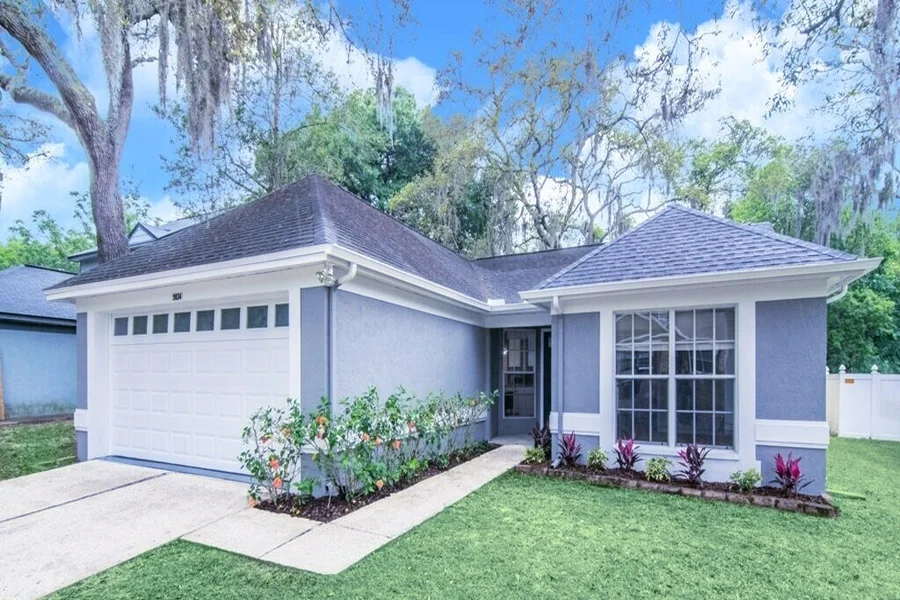
Selling a house is rarely simple, but it can feel especially overwhelming when the property has code violations or open permits. Many homeowners worry that these issues will make their house impossible to sell or drastically reduce its value. The good news is that selling a house with code violations or open permits is not only possible, it can be done in several practical ways depending on your goals, timeline, and financial situation.
Understanding code violations and open permits
Code violations occur when a property does not meet local building, safety, or zoning regulations. These can range from minor issues such as peeling paint or overgrown landscaping to more serious problems like unapproved additions, electrical hazards, or structural concerns. Open permits mean that work was started on the property but never officially completed or approved by the local building department. This often happens when renovations were done years ago and the final inspection was never scheduled.
Both issues can come up during a buyer inspection or title search and may delay or even derail a traditional sale if not handled properly.
Can you sell a house with these issues
Yes, you can legally sell a house with code violations or open permits in most areas. However, the way you sell and the type of buyer you attract will make a big difference. Traditional buyers who rely on mortgage financing often face lender requirements that demand certain repairs or permit closures before closing. This can put pressure on sellers to invest time and money into fixing issues.
Other buyers, such as investors and cash home buyers, are often more flexible and willing to take on properties with unresolved problems.
Option one fixing the issues before selling
One approach is to resolve the violations and close any open permits before listing the house. This usually involves contacting your local building department to understand what is required. You may need to hire licensed contractors, schedule inspections, and bring the work up to current code standards.
The advantage of this route is that your home may appeal to a wider pool of buyers and potentially sell for a higher price. The downside is the cost and time involved. Some repairs can be expensive, and older permits may require updates to meet modern codes, even if the work was acceptable when it was first done.
Option two selling the house as is
Selling as is means you disclose the known issues but do not agree to fix them. This option can be attractive if you do not have the funds or desire to manage repairs. Transparency is key. Most states require sellers to disclose known code violations and permit issues to buyers.
When selling as is, expect that traditional buyers may negotiate aggressively or walk away altogether. However, investors and cash home buyers often look specifically for as is properties because they plan to renovate or redevelop them anyway.
Option three working with cash home buyers
Cash home buyers are one of the most common solutions for homeowners facing code violations or open permits. These buyers typically purchase properties without relying on bank financing, which removes many of the obstacles tied to inspections and lender requirements.
Because they pay cash, closings are often faster, and buyers are usually willing to accept properties with violations, unpermitted work, or unfinished projects. In many cases, they will handle the permitting and repair process themselves after the sale. While the purchase price may be lower than a fully renovated home on the open market, many sellers find the speed and convenience worth the trade off.
Disclosure and legal considerations
Regardless of how you sell, disclosure is critical. Failing to disclose known violations or open permits can lead to legal problems after the sale. Buyers who discover undisclosed issues may pursue claims for misrepresentation or fraud.
It is often wise to consult a real estate attorney or experienced agent who understands local regulations. They can help ensure that disclosures are handled properly and that the contract language protects you.
Pricing your home realistically
Homes with unresolved issues are typically priced lower to reflect the risk and cost to the buyer. This does not mean you cannot get a fair deal, but expectations should be realistic. Research similar properties that sold with issues, and consider getting multiple offers, especially if working with investors or cash home buyers.
In some markets, demand for fixer upper properties is strong, which can help offset the impact of violations or open permits.
Final thoughts
Selling a house with code violations or open permits may seem intimidating, but it does not have to stop you from moving forward. By understanding your options, being honest about the condition of the property, and choosing the right type of buyer, you can complete a successful sale. Whether you decide to fix the issues, sell as is, or work with cash home buyers, the key is finding the path that best fits your financial situation and timeline.