What Makes Dry Chemical Fire Suppression a Popular Choice in Industrial Safety?
 Johnathan Parker |
January 20, 2025 |
2:11 pm
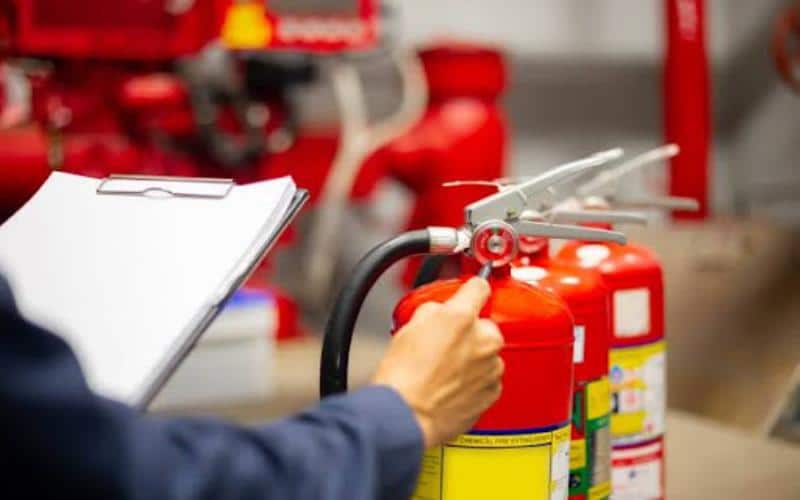
Dry chemical fire suppression has become a highly popular choice for industrial safety due to its effectiveness, versatility, and ability to quickly control a wide variety of fire hazards. In industries where high-risk materials, chemicals, and electrical systems are prevalent, a reliable fire suppression system is essential. Dry chemical fire suppression stands out as an ideal solution for controlling fires caused by flammable liquids, gases, and electrical hazards. Below are six reasons why dry chemical fire suppression is favored in industrial settings.
1. Rapid Response to Fires
A strong argument for the reason why dry chemical fire suppression is a good choice is its rapid response time. It is essential to act swiftly to prevent damages and save lives when a fire erupts. The dry chemical agents such as monoammonium phosphate and sodium bicarbonate are injected into the room with the help of a special device that is the first thing that is activated. This absolutely should be done within the first few minutes. During these initial minutes, the fire can be contained, and therefore, the equipment protected, and the losses avoided.
2. Fast-Action Fire Extinguishing (Compatible with Class B Fires)
In industrial plants, including oil refineries, chemical plants, and warehouses, flammable liquids like oils, solvents, or gasoline are often stored or used. These substances are very combustible and can catch fire easily which in turn could create fast and uncontrollable fires. Systems for dry chemical fire suppression are specialized for putting out Class B fires, which are caused by flammable liquids. The dry chemical works by covering the fuel with a blanket, thereby excluding the oxygen that is needed and preventing the chemical reaction, which is responsible for generating the fire in the first place. This kind of quick suppression of fires from flammable liquids would not be possible without the use of dry chemical fire suppression systems and that is why it is very much needed in such industries.
3. Protection Against Gas Fires (Class B Fires)
Gas fires are, on the contrary, causes like natural gas, propane, or acetylene, which are being used in various industries such as welding, manufacturing, and energy production. The volatility of these gases makes fires even more dangerous. Dry chemical fire suppression is also very effective in these situations. The technique that the system uses is to release dry chemical agents that mist the burning gas, extinguish it, stop the chemical reaction, and prevent the gas from igniting again. This makes dry chemical fire suppression systems essential in places dealing with such gas fires.
4. Safe to Use Around Electrical Equipment (Class C Fires)
Electrical fires are a must-have worry in industrial plants, especially those with heavy gears, control panels, and electrical wiring. Water-based fire systems are not viable for electrical fires because water is a conductor of electricity, which could lead to extra damage or injury. Contrarily, dry chemical fire suppression is the selected option safe because the dry chemical agents are non-conductive hence they can be used around electrical hazards safely. It is this characteristic of being non-conductor of electricity that makes these agents quite effectively suffocate flames but without the danger of electrical shock.
5. Low Maintenance and Cost-Effectiveness
The preliminary reason why dry chemical fire suppression is preferred in industrial settings is its low cost and easy maintenance. Installing dry chemical systems takes only a fraction of the budget compared to alternative fire-suppression methods like clean agents or CO2 systems. Besides, dry chemical agents are very cheap and are simple to replace after firing so ongoing maintenance costs will be manageable. The system has low maintenance requirements due to its design simplicity which means that industrial businesses can fulfill fire safety without incurring too much operational costs.
6. Proven Reliability and Compliance with Safety Standards
Dry chemical fire suppression systems display an outstanding record for dependability, as they have been tried and tested in a variety of industrial settings. They adhere to the strictest safety standards, such as the requirement of National Fire Protection Association (NFPA), and they are renowned as widely accepted systems in different types of industries. For the obvious reason that dry chemical fire suppression systems have established themselves as reliable, and have the nod of approval to go ahead and comply with fire safety regulations thus giving the green light for implementing them, industrial facilities can sleep soundly.
The additional comfort of functionality and compliance with safety standards, which is a system both reliable and proves safe, makes dry chemical fire suppression popular for this reason.
Summary
The role these systems fill in fast response, versatility, and effectiveness in controlling flammable liquids, gases, and electrical hazards, make these dry chemical fire suppression an indispensable part of industrial safety equipment. Being able to suppress numerous types of fires just as affordably, easily maintained, and looks good for their proven reliability are the key to dry chemical fire suppression systems in industries, where fire hazards are always a worry. Dry chemical fire suppression guarantees that both personnel and property are protected in high-risk environments by means of a fast, effective, and safe resolution.