How Accurate Are Drug Tests? Exploring Methods and Reliability
 Johnathan Parker |
December 3, 2024 |
4:28 pm
Johnathan Parker |
December 3, 2024 |
4:28 pm
Why Accuracy Matters in Drug Testing
Drug testing accuracy is essential for trustworthy and fair results, especially in delicate situations like employment, legal, and healthcare. Inaccurate results can cause wrongful terminations, false allegations, and misdiagnosis. Drug tests must be accurate to retain faith in these systems. Which drug test is most accurate? Blood tests can reflect recent substance levels, making them more accurate for diagnosing current impairment than urine testing. Choosing the most accurate drug test depends on the context and detection window for the drugs.
A review of key drug testing methodologies shows that each has reliability strengths and weaknesses. Urine, blood, saliva, and hair testing are common. Drug tests vary in accuracy depending on goals and period. Urine tests are popular due to their low cost and long detection window. However, they may misrepresent impairment. Blood testing can better measure recent substance usage, which is important in cases of immediate intoxication. Saliva testssuch as 12 panel saliva drug test are non-invasive and can detect recent drug use, although they have shorter detection spans. Hair tests provide a long-term view of substance usage but are susceptible to contamination. The right procedure depends on timing, cost, and medications, and dependability issues must be controlled to achieve accurate and fair results.
Understanding Drug Testing Basics
Drug testing look for specific substances or their metabolites in the body. Employment screens, sports, rehabilitation, and court cases all benefit from these exams. Common are marijuana, cocaine, opiates, amphetamines, PCP, and benzodiazepines. Different detection windows and accuracy abound in urine, blood, saliva, and hair follicle drug testing. Commonly asked is which drug test is most accurate? Blood tests are the most accurate but least common since they identify drugs in the bloodstream at the moment of testing; their invasiveness and cost make them less appealing.
Drug tests find active substances or their metabolites in hair, saliva, blood, or urine. Immunoassays identify substances at molecular levels by means of antibodies. The body breaks drugs into metabolites, which could linger longer than their active forms. Although the psychoactive component of marijuana, THC, is only noticeable for few hours to a day, its metabolites can persist days to weeks. It is crucial to be able to separate these elements since some tests may reveal drug use following the wear-off of the psychoactive effects. Blood tests are usually the best choice when choosing which drug test is most accurate since they may identify the drug in its active form, thereby verifying recent use. Still, their invasiveness and cost make them less sensible than alternative testing techniques.
Types of Drug Tests and Their Accuracy
Urine Testing: The Most Common Approach
Urine testing is the most popular drug screening method since it is non-invasive, easy to administer, and can identify many drugs. This method is popular with employers, medical professionals, and law enforcement since it can quickly assess recent drug use. Drug testing procedures vary, so many people ask which drug test is most accurate. Under controlled settings, urine tests are highly reliable, and laboratories use gas chromatography-mass spectrometry (GC-MS) to validate results and reduce false positives. The substance being tested, the timing of use, and the testing procedures can affect accuracy.
Blood Testing: Precision at a Cost
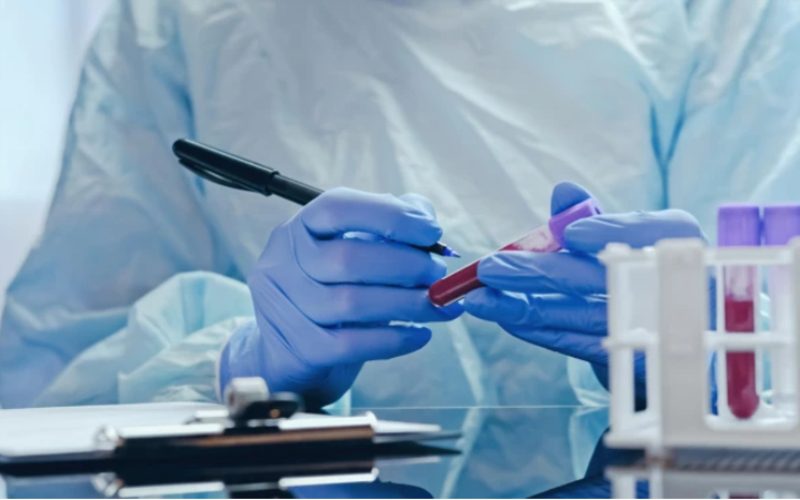
Due to its precision and capacity to detect exact bloodstream levels, blood testing is frequently regarded the gold standard for drug testing. This test directly analyzes blood for drugs or their metabolites, providing a precise portrait of recent use. Blood tests have fewer false positives than other testing procedures, making them ideal for legal or medical examinations that require accuracy. Blood testing is more invasive and expensive than urine or saliva testing, but it provides higher precision. The window of detection is limited, detecting drug usage between a few hours to a few days, which may limit its use. Despite these limitations, blood testing is unmatched in many situations, making it an essential tool in drug screening programs.
Hair Follicle Testing: Long-Term Drug Use Detection
Hair follicle testing is superior for long-term drug screening. This approach can show drug history over 90 days by examining a tiny hair sample, revealing regular use rather than current use. Hair tests detect drug molecules that entered the circulation and grew into hair. Hair follicle testing complements urine and blood tests due to its enlarged detection window. However, hair tests may overlook recent drug usage and be less successful in detecting specific chemicals. Searching which drug test is most accurate, consider hair follicle testing is not the most precise but still effective for detecting long-term drug usage.
Saliva Testing: Convenience and Short Detection Windows