What Is Intrathecal Administration and How Does It Work?
 Johnathan Parker |
April 10, 2025 |
12:56 pm
Johnathan Parker |
April 10, 2025 |
12:56 pm
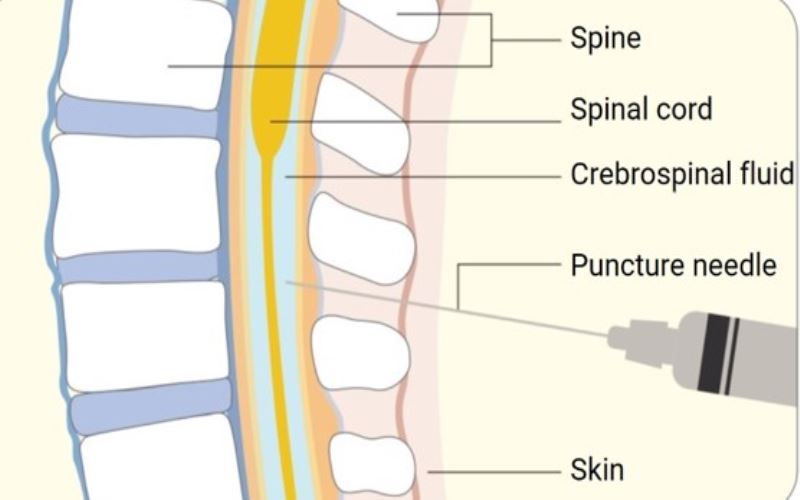
Intrathecal administration refers to the delivery of medication directly into the spinal canal, the space around the spinal cord called the intrathecal space. This method bypasses the blood-brain barrier, allowing for direct treatment of the central nervous system (CNS). Understanding how this delivery works, its benefits, risks, and applications can help patients and healthcare professionals make informed decisions.Medical science continuously advances in treating complex conditions, especially related to the central nervous system (CNS). Intrathecal administration has emerged as a significant method for delivering medication directly where it’s needed most. Often used in treatments for pain management and neurological diseases, this approach ensures that drugs can bypass traditional barriers and get straight to the CNS, providing more effective and efficient treatment. By understanding intrathecal administration, we can better appreciate its role in modern medicine, its benefits, and the implications for patients.
Understanding Intrathecal Administration
Definition of Intrathecal Administration
Intrathecal administration involves the injection of drugs directly into the intrathecal space of the spinal canal. This space contains the cerebrospinal fluid (CSF) that surrounds the spinal cord and brain, enabling the medication to act on the CNS quickly and effectively. Unlike other methods, such as oral or intravenous (IV) administration, intrathecal delivery is specifically designed to reach the CNS without the need for larger doses. This technique ensures the active ingredients get to their target with minimal loss, offering a more precise and effective intervention.
The Difference Between Intrathecal and Other Administration Methods
Intrathecal administration is distinct from other methods like oral, intravenous, or intramuscular administration. Unlike these traditional methods, which distribute drugs through the bloodstream system-wide, intrathecal delivery focuses directly on the CNS, ensuring higher drug concentration where it’s needed most. This specificity results in more effective treatment outcomes with lower dosages and fewer systemic side effects.
How Intrathecal Administration Works
The Intrathecal Injection Process
The intrathecal injection begins with a healthcare professional inserting a needle between two vertebrae in the lower back, entering the intrathecal space. This process is often guided by imaging techniques to ensure accuracy. Once the needle is properly positioned, the medication is injected directly into the cerebrospinal fluid (CSF). Patients usually experience minimal discomfort, and the procedure typically takes only a few minutes. Following the injection, the medication quickly disperses throughout the CSF, allowing it to act directly on the CNS.
How Medications Are Delivered Directly to the CNS
Medications delivered through intrathecal administration bypass the blood-brain barrier, a protective shield that prevents many substances in the bloodstream from reaching the brain. This allows drugs to reach their target directly within the CNS, providing faster and often more effective treatment. This method ensures that the active ingredients are available in higher concentrations exactly where needed.
Benefits of Intrathecal Drug Delivery
Targeted Delivery to the Central Nervous System
Intrathecal administration allows medications to be delivered directly to the CNS, ensuring that a higher concentration of the drug reaches the target area. This precision means the medication acts faster, providing relief or addressing symptoms more effectively than other methods. This is particularly beneficial for conditions that need immediate or focused intervention.
Reduced Side Effects and Enhanced Efficacy
By focusing delivery directly to the CNS, intrathecal administration reduces the systemic exposure of drugs, minimizing side effects associated with oral or intravenous methods. This targeted approach often allows for lower dosages, reducing the risk of widespread adverse reactions. Consequently, patients can experience better outcomes and improved overall efficacy of their treatment with fewer complications.
Risks and Challenges of Intrathecal Administration
Potential Complications and Side Effects
While intrathecal administration has significant advantages, it is not without risks. Potential complications include infection at the injection site, bleeding, spinal headache, and nerve damage. These side effects are relatively rare but can be serious. Proper aseptic techniques and experienced healthcare professionals can minimize these risks.
The Need for Proper Training and Monitoring
Effective intrathecal administration requires skilled healthcare providers trained in the procedure. Continuous monitoring is essential to ensure the medication is delivered correctly and to address any potential complications immediately. Regular follow-ups and patient education also play a critical role in the safe and effective use of this treatment method.
Applications of Intrathecal Administration
Use in Pain Management
Intrathecal administration is highly effective in managing chronic pain, allowing for opioids and other pain relief medications to be delivered directly to the CNS. This method provides significant relief for patients with severe or persistent pain conditions that are resistant to conventional treatments.

Role in Treating Neurological Diseases
Beyond pain management, intrathecal administration is also used to treat a variety of neurological diseases, such as multiple sclerosis, spasticity, and certain types of cancer. Delivering medication directly to the CNS ensures that these conditions can be treated more effectively, often with fewer side effects.
Conclusion
Intrathecal administration represents a critical advancement in the targeted delivery of medications to the CNS. Its ability to bypass the blood-brain barrier, reduce systemic side effects, and enhance treatment efficacy makes it a valuable tool in modern medicine. While not without risks, when performed by trained professionals, it offers substantial benefits for patients needing precise and effective drug delivery. Understanding its processes, benefits, and risks enables patients and healthcare providers to make informed decisions about its use.