Harnessing the Power of Ultrasound: A Revolutionary Approach to Cardiovascular Preventive Medicine
 Johnathan Parker |
October 8, 2025 |
9:35 pm
Johnathan Parker |
October 8, 2025 |
9:35 pm
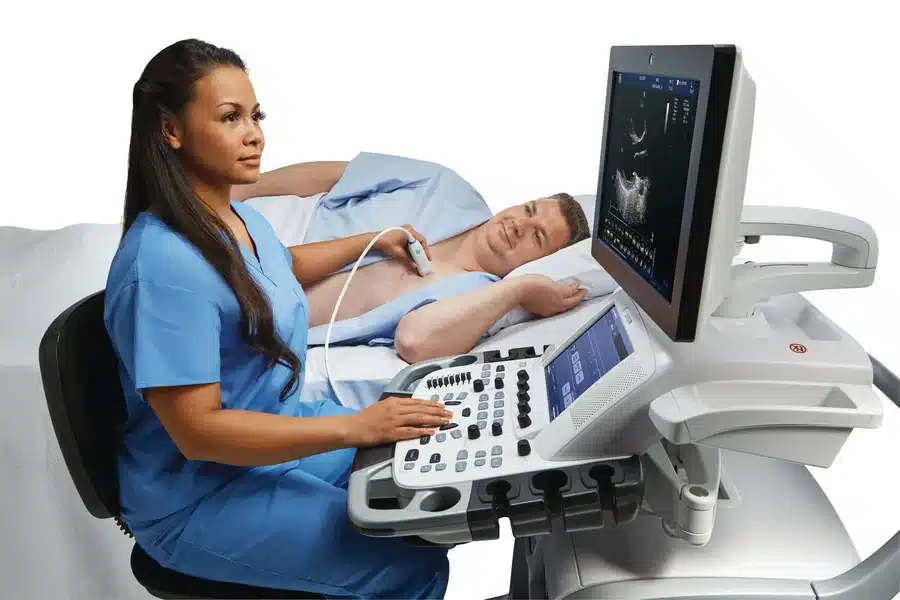
Ultrasound technology has proven revolutionary in multiple medical fields, but its application in cardiovascular preventive medicine is particularly promising. It provides physicians with a dynamic tool for monitoring and diagnosing heart conditions noninvasively and with greater accuracy.
Understanding Ultrasound Technology in Cardiovascular Screening
Ultrasound technology, also known as sonography, utilizes high-frequency sound waves to create images of structures within the body. When applied to cardiovascular screening, it provides detailed pictures of the heart’s chambers, valves, and major vessels. This process, known as echocardiography, allows for real-time observation of cardiac function, including blood flow and heart rhythms.
As a noninvasive method, ultrasound for cardiovascular screening poses no exposure to ionizing radiation and can be performed frequently without risk to the patient. This is a crucial advantage over other diagnostic tools like X-rays or CT scans, which carry the risk of radiation exposure especially when used for routine screening purposes.
The quality of ultrasound imaging has improved significantly over the years, thanks to advancements in technology. Modern devices like ultrasound Beverly Hills offer clearer images and more precise measurements, giving cardiologists a better view of cardiac anatomy and potential abnormalities. These enhancements greatly aid in the accuracy of the diagnosis.
While echocardiograms are typically performed in a hospital or clinical setting, portable ultrasound devices now enable screenings at patient bedsides, in physicians’ offices, and even in remote locations. The flexibility provided by these portable systems is a game-changer, increasing patient access to preventative cardiac care.
The Role of Ultrasound in Early Detection of Cardiac Disease
The early detection of cardiac disease is vital for successful intervention and management. Ultrasound is particularly adept at identifying signs of heart conditions like heart valve abnormalities, congenital heart disease, and myocardial damage long before symptoms occur.
In the realm of preventive medicine, the ability to detect disease at an asymptomatic stage is profoundly beneficial. It means that treatment can begin earlier, potentially halting or reversing the progression of the disease. This proactive approach can improve patient outcomes significantly and reduce the long-term burden on healthcare systems.
When high-risk patients are identified through factors such as genetics, lifestyle, or comorbid conditions, ultrasound screenings can be a focal point of their preventive care. By monitoring these patients closely, doctors can detect subtle changes over time and adjust treatments accordingly.
How Ultrasound Enhances Traditional Cardiovascular Preventive Measures
Traditional cardiovascular preventive measures such as blood tests, physical exams, and lifestyle assessments are critical, but when combined with ultrasound, their efficacy is enhanced. Ultrasound can uncover physiological evidence of disease that may not be apparent through other methods. For instance, an echocardiogram can detect fluid around the heart that could signify pericarditis, a condition often missed in a basic physical exam.
Furthermore, the visual feedback provided by ultrasound can be a powerful motivator for patients to take an active role in their health. Seeing an actual image of their heart functioning can often inspire patients to adhere more strictly to prescribed lifestyle changes or medication regimens.
Ultrasound also aids in the monitoring of the disease over time. By regularly assessing the heart’s size and the function of its valves and chambers, cardiologists can gauge the effectiveness of treatments and make informed decisions about the need for therapeutic adjustments or interventions.
Moreover, for patients already diagnosed with cardiovascular conditions, ultrasound is a crucial tool in managing their disease. By evaluating the progression, doctors can prevent complications and emergencies, making it a vital aspect of ongoing care.
The Benefits of Regular Ultrasound Monitoring for Heart Health
Regular ultrasound monitoring can greatly benefit patients with or at risk of cardiovascular diseases. For patients with known conditions, such as hypertrophic cardiomyopathy, routine ultrasound can track disease progression or stability.
Noninvasive and painless, the ultrasound provides a patient-friendly approach to regular screening, which may encourage more people to participate in preventative health measures. Compared to other diagnostic tools, the convenience and comfort of ultrasound make it more appealing, resulting in better patient compliance.
Moreover, regular ultrasound assessments can help identify the efficacy of lifestyle modifications or treatments prescribed by physicians. It provides tangible evidence of improvement or deterioration, which can then be used to tailor individual patient care plans more effectively.
Frequent screenings can also mitigate healthcare costs in the long run. By catching potential issues early, the use of ultrasound for preventative means can help avert expensive interventions and hospitalizations associated with advanced cardiac conditions.
Overall, the integration of ultrasound into cardiovascular preventive medicine represents a leap forward in patient care. As technology continues to evolve, one can expect ultrasound to play an even greater role in safeguarding heart health and prolonging lives.