Harnessing Radiation Detectors for Advancements in Medical and Scientific Research
 Johnathan Parker |
June 13, 2024 |
10:32 am
Johnathan Parker |
June 13, 2024 |
10:32 am
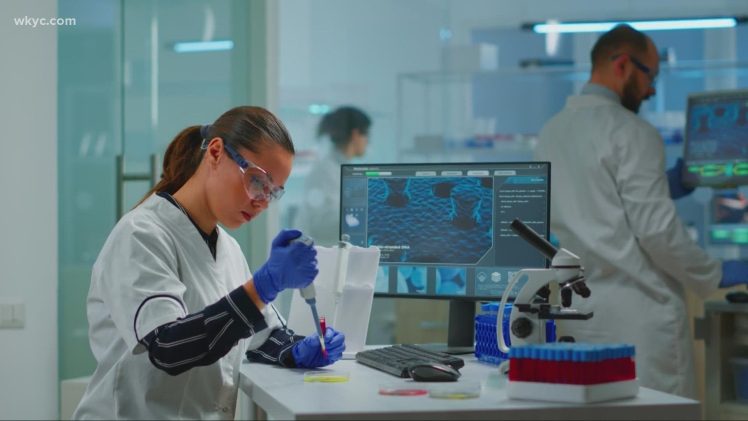
Radiation detectors have numerous applications in science and medicine, thus broadening research and innovation boundaries. With these tools, scientists and medics can accurately determine the presence of emitting, expanding diagnostic or treatment options and providing more insight into basic natural processes.
In the field of medicine, there are several areas that use radiation sensors, including nuclear medicine, radiotherapy, and medical imaging. They ensure high levels of accuracy when it comes to diagnosing various diseases like cancer. Modern detectors provide highly detailed internal images of organs, enabling physicians to identify the precise location and type of pathological processes more precisely. Moreover, for example, radiotherapy enables a targeted dose of emitting, reducing exposure to healthy tissues.
However, sensors are essential in physics, chemistry, biology, etc. They facilitate investigation into radioactive materials and cosmic rays, while new materials/trends are also being researched or developed here. With such devices at their disposal, scientists conduct experiments with higher levels of accuracy, leading to the discovery of other phenomena and offering innovative approaches to solving different problems.
Henceforth, it can be said that in advancing science and drug therapy, new diagnostic techniques were invented using radionuclide diagnostics to help elucidate fundamental laws of nature better, leading to the creation of novel means for diagnosis and treatment. Through them, we see our world becoming safer every day as far as technological development is concerned, hence opening up an opportunity for research and invention.
The Role of Radiation Detectors in Medical Research
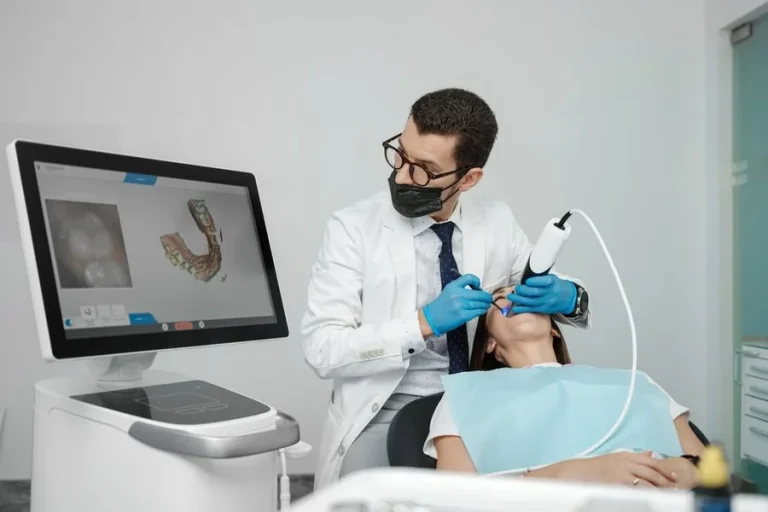
The use of radiation detectors is vital in diagnostic imaging, as they boost the precision and speed of various methods.
- Radiography, which is also known as X-ray imaging, involves the production of an image of internal organs and bones using x-rays. In this case, the detectors transform X-rays into images that help in detecting pathologies with a high level of precision.
- Computed tomography (CT) is a procedure that utilizes multiple X-rays to generate detailed cross-sectional images of the body. The CT sensors pick up X-rays and convert them to digital information to produce three-dimensional pictures for diagnosing various diseases.
- Positron emission tomography (PET scan), on the other hand, uses radionuclides that accumulate in tissues. Concerning this, PET sensors sense gamma emitting, creating images showing cells’ metabolic activity necessary for tumor detection and treatment monitoring.
In radiation oncology, it is central to note that radiotherapy uses detectors for its purposes of planning and monitoring.
- Planning of Radiotherapy. The devices make detailed images showing the tumor’s location and size. This information enables doctors to calculate the most appropriate dose of emitting. Precise treatment planning involves cone beam CT (CBCT) scans, which are highly accurate.
- Radiotherapy Monitoring. Detectors help monitor a patient’s dose during therapy and adjust it if necessary to avoid harm to normal tissues. During this process, modern machines like intensity-modulated radiotherapy (IMRT) continually monitor the radiation doses using detectors and apply corrections accordingly.
Enhancing Scientific Research with Radiation Detectors
- Nuclear Physics Research. Radiation detectors have a significant role in nuclear physics research, as they help scientists study subatomic particles and radiation phenomena precisely. These tools can sense and record energetic particles or omitting to monitor the atomic nucleus, elementary particle interactions, and the manufacture of new technologies in the domain of nuclear energy.
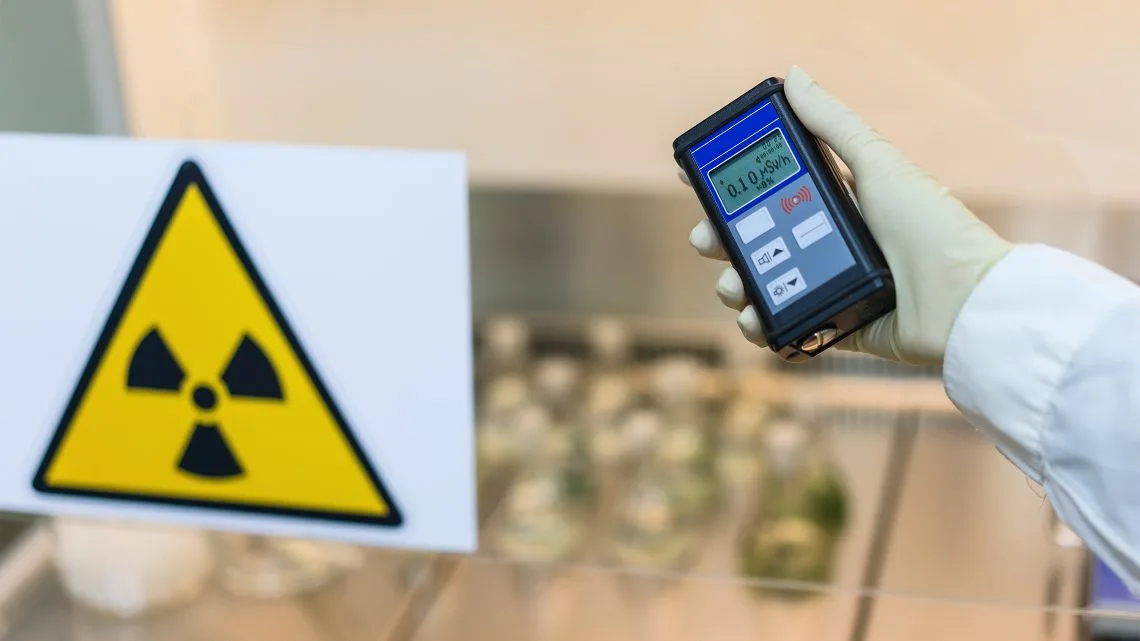
- Environmental Studies. The significance of radionuclide sensors in environmental research is huge, especially for monitoring and analyzing radioactive contamination in the environment. Scientists use them to monitor emitting levels associated with water, soil, air, and biotic objects, as this is vital for evaluating how radioactive substances influence ecosystems and human health. It also enables environmental strategies that will protect against radioactive pollution as well as promote public safety.
- Material Science. Materials science also owes much to sensors because analyzing emitting interactions allows them to investigate material properties. For example, using these detectors, one can analyze materials’ structure and composition, develop an understanding of mechanisms leading to emitting damage, and study formation processes for radioactive isotopes in a substance. Consequently, such studies are important today if we want to develop new materials with improved attributes or if safety levels regarding consumables from energy to medicine ought to be analyzed.
Key Features of Advanced Radiation Detectors
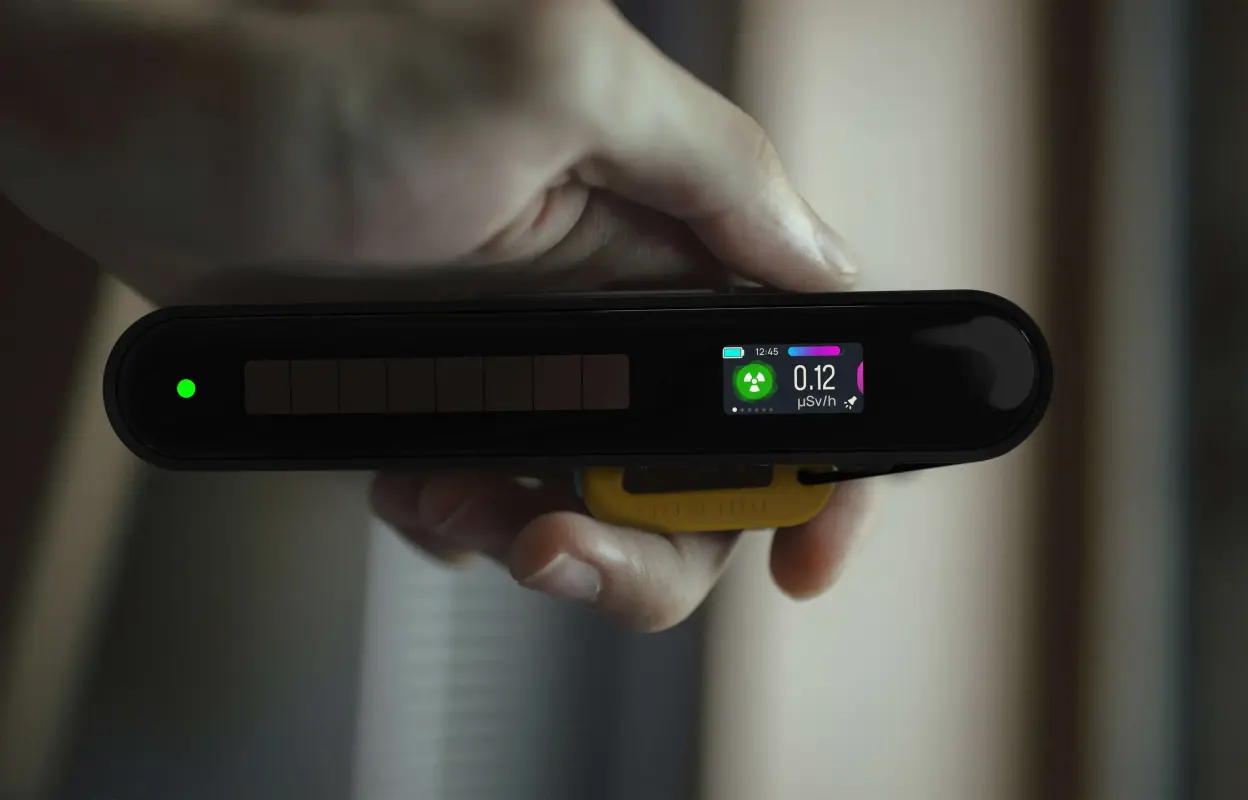
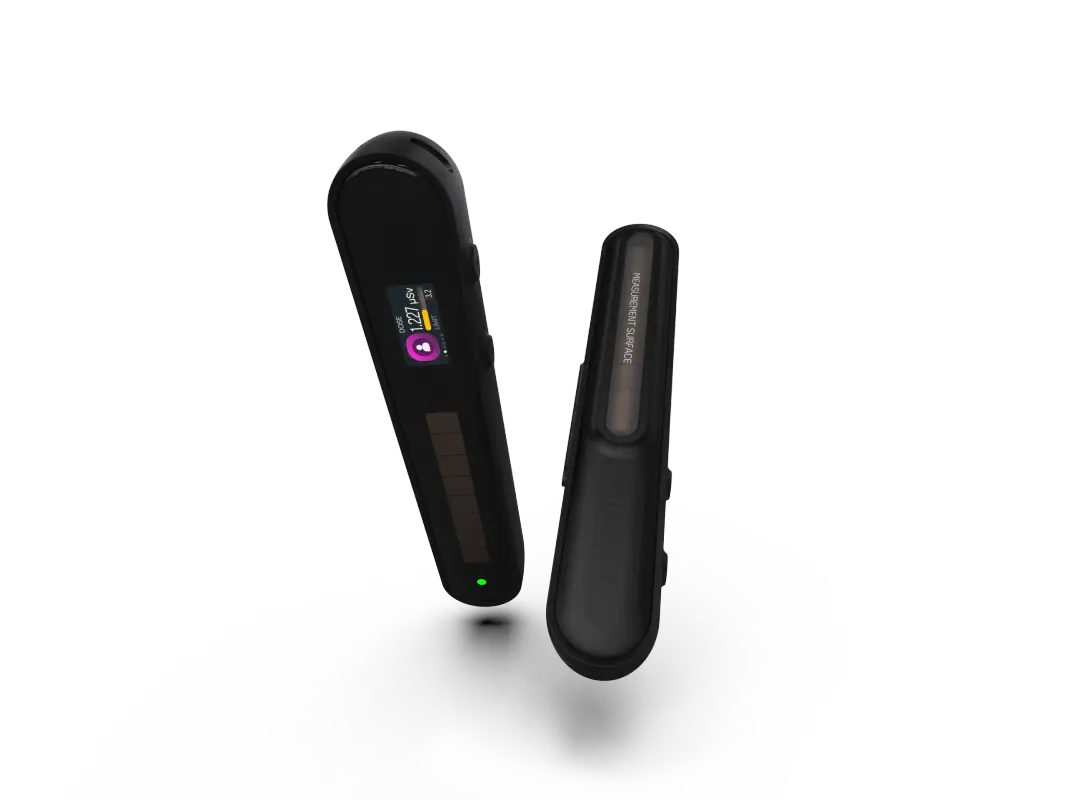
- High Sensitivity and Precision. Modern radiation detectors have high sensitivity and accuracy, which makes them indispensable tools for various situations. Buy a radiation detector for your home to know what the radiation level is. They can detect even the smallest amounts of radiation and take measurements with a high level of precision. Advanced detector technologies give high-resolution data, which is particularly significant for medical and scientific research, where tiny aberrations can have notable influences.
- Versatility and Adaptability. Milerd emitting sensors are impressively adaptable to a variety of environments and research requirements. They are helpful in many areas, including medical diagnostic procedures, environmental studies, scientific research, and industry. Such tools can be personalized to suit particular research requirements and can be easily adapted to different methods of investigation for reliable and truthful results.
- Safety and Compliance. Modern sensors are highly safe for usage and meet all the regulatory conditions. They have shields against emitting together with ergonomic features that will minimize the risk of exposure to operator health. Moreover, these devices undergo thorough testing and certification processes to ascertain their conformity with safety and quality standards.
The Future of Medical and Scientific Research with Radiation Detectors
Radiation detectors are essential in the advancement of science and medicine, giving a new direction for research and innovation. These gadgets are paramount in medical and scientific applications since they yield precise and dependable data vital to these disciplines’ development.
Further developments in detection technologies towards greater sensitivity, accuracy, and functionalization can be anticipated. More efficient and multipurpose emitting detectors will emerge by employing nanomaterials, advanced data processing techniques, and creative design solutions.
Enhancements in emitting technology will create new grounds for better disease treatment through accurate diagnosis and broaden scientific investigations into nuclear physics, ecology, and materials science, among other topics.
Overall, onwards, the promise is discoveries and innovations that enhance both science and medicine into higher realms while ensuring more accuracy in research and therapy.
Investing in Cutting-Edge Technology for Breakthroughs
Scientific and medical research are mostly supported by investments in advanced radiation sensors. These creative technologies increase our awareness of the world, improve treatments, and spur the growth of additional economic activities and new technologies. The most important strategic step towards moving science and medicine forward and ensuring that society is healthier tomorrow lies in investing in emitting sensor development.
Reach new heights in scientific and medical research by embracing advanced radiation detection methods. By infusing these instruments into your work, you can push knowledge boundaries, devise new approaches to problems, and finally put forward other discoveries in the field of science, including medicine. Do not hesitate; today is the day to make sure advanced detectors take center stage in progress, striving for future good living.