From Plate Covers to Electronic Hiding Systems
 Johnathan Parker |
August 19, 2026 |
10:44 pm
Johnathan Parker |
August 19, 2026 |
10:44 pm
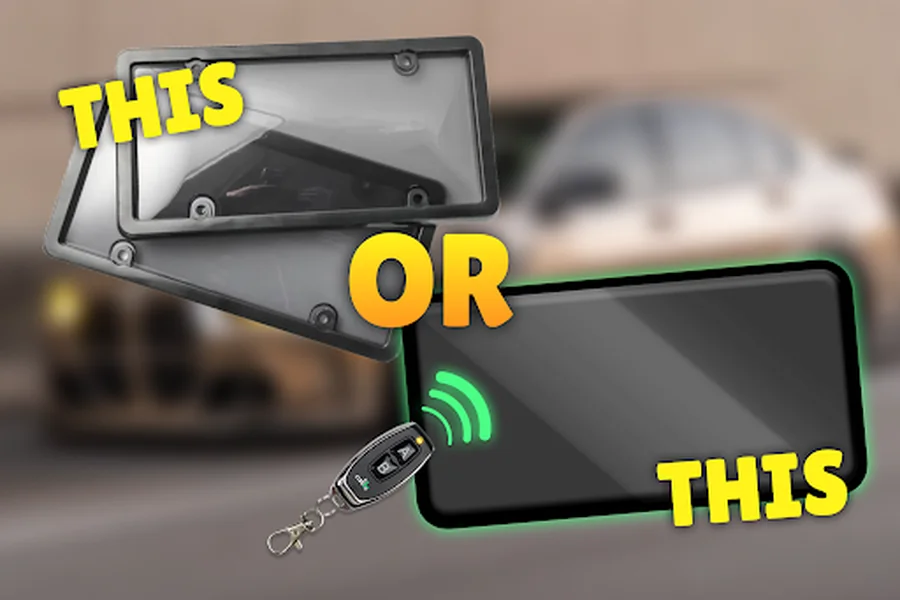
License plate accessories have moved far beyond simple decorative frames. What began as basic plastic or tinted covers has developed into a category that includes mechanical mechanisms and electronically controlled systems. This evolution reflects a wider automotive trend: even small accessories are becoming more specialized and technically sophisticated.
A number plate hider is a clear example of this transition. Instead of treating the cover as a passive piece of material, products such as Alite Blackout introduce an electronic function. The accessory can actively change its state rather than remaining permanently transparent or dark.
How Plate Covers Started
Early plate covers were extremely simple. A transparent or tinted sheet was positioned over the number plate to provide a physical layer between the plate and the outside environment. There was no control system and no possibility of changing its behavior after installation.
Later designs introduced moving components. Hinges, shutters, sliding sections, and folding mechanisms made it possible to physically place another element in front of the plate.
This represented an important change. The accessory was no longer just a cover; it became a mechanism with multiple operating positions.
Three Generations of Plate-Cover Design
The development of these accessories can be divided into several broad stages:
- Static covers – fixed panels with one permanent visual state.
- Mechanical systems – designs that use physical movement to cover or reveal the plate.
- Electronic systems – solutions where the visible state can be controlled electrically.
Each stage approaches the same area of the vehicle differently. Static products depend entirely on their material, while mechanical designs introduce moving assemblies. Electronic systems add another possibility by making control part of the accessory itself.
The progression is similar to what has happened with many other automotive components. Manual adjustment gradually gives way to systems that can respond through electrical control.
Where Alite Blackout Fits In
Alite Blackout belongs to the electronic stage of this development. The product places a controllable panel in front of the license plate rather than relying on a permanently dark cover.
During normal use, the panel can remain transparent. When activated, it changes to a dark state that obscures the number plate from direct view, including cameras.
What makes this concept significant is the way the function is delivered. There is no need to move the plate into another position or swing a separate physical shield across it. The electronic system changes the state of the panel itself.
The Accessory Is Becoming a System
The difference between a simple cover and an electronic product is larger than it first appears. A basic cover is essentially a piece of material. An electronic solution combines the physical component with control and a defined operating function.
This reflects the direction of the wider automotive accessory market. Products that were once passive are increasingly incorporating electronics, specialized materials, and controllable features.
License plate accessories provide a compact example of that evolution. From basic protective panels to mechanical mechanisms and electronically controlled products such as Alite Blackout, the category demonstrates how even a familiar exterior component can develop into a more sophisticated automotive system.