Aesthetic Facial Anatomy: Redefining Beauty Through Science
 Johnathan Parker |
May 20, 2025 |
10:13 am
Johnathan Parker |
May 20, 2025 |
10:13 am

Understanding the Art Behind Aesthetic Facial Anatomy
Facial beauty isn’t just about good genes. It’s about understanding aesthetic facial anatomy and how it shapes the harmony of the face. Professionals, like a facial plastic surgeon specialist, combine art and science to enhance facial balance and restore function.
But what makes a face attractive? Let’s explore the key elements.
The Science Behind the Beauty
Human anatomy plays a vital role in aesthetics. From the facial artery to the orbicularis oris, each anatomical structure has a purpose. In aesthetic plastic surgery, understanding these structures ensures procedural safety and optimal results.
For example, soft tissue fillers are carefully placed to avoid damage to vessels like the superior labial artery and inferior labial artery. Injecting fillers in the temporal region or other facial areas requires precision to maintain both beauty and function.
Techniques Rooted in Knowledge
Plastic surgeons often rely on cadaver dissection to master essential anatomy. The hands-on experience sharpens their skills and helps them identify danger zones. Avoiding complications is a cornerstone of patient safety.
Innovative surgical techniques, like those published by internationally renowned plastic surgeons, continue to refine the field. The techniques address everything from facial palsy to restoring facial function. Videos demonstrating such procedures offer global education for clinical practitioners.
Non-Surgical Options: The Rise of Minimally Invasive Aesthetic Procedures
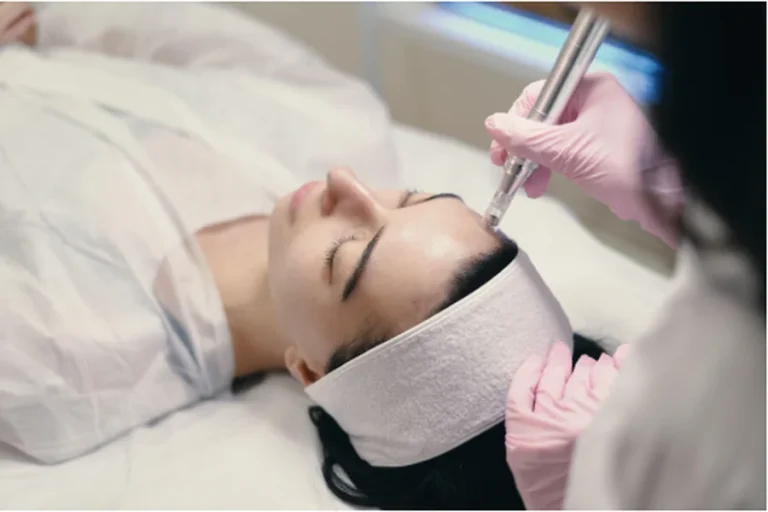
Not everyone wants surgery. Non-surgical facial rejuvenation is growing in popularity. Procedures like botulinum toxins and absorbable soft tissue fillers provide quick results with minimal downtime.
For aesthetic injectors, understanding aesthetic facial anatomy essentials is critical. Properly citing anatomical areas ensures accurate injections. The result? Happy patients and fewer complications.
Beyond Beauty: Restoring Lives
Aesthetic medicine isn’t just about looking good. For burn victims or patients in university burns units, it will be life-changing. Maxillofacial plastic surgery units often focus on restoring faces and improving lives. From dermatologic surgery to non-profit artificial skin research, the work is transformative.
Facial plastic surgeon specialists also lecture extensively internationally, sharing knowledge about restoring facial function and the aesthetics of facial regions. The heyed foundation and south african society are just some of the platforms supporting this global education.
Choosing the Right Professional
Whether visiting an Amsterdam plastic surgery clinic or consulting a clinical associate professor, experience matters. Past presidents of organizations and internationally recognized experts often set the gold standard. Their private practices are built on years of expertise and contributions to the field.
Some of these professionals focus on maxillofacial surgery, while others specialize in aesthetic facial surgery. Both require an understanding of anatomical areas, from the depressor anguli oris to the superior labial artery. Their knowledge ensures procedures are safe and effective.
The Art of Education
An integral ebook or open access article distributed by international experts will serve as a detailed and informative guide for aspiring aesthetic injectors. Universities worldwide support these efforts, helping future professionals understand techniques relating to patient safety and aesthetic regions.
Clinical patient presentations and lectures on procedural safety help advance the field. The immediate past president of leading organizations often shares special interests in facial anatomy and innovative surgical techniques.
Achieving Optimal Results
For different patients, tailored approaches are key. Restoring faces and core characteristics requires a deep understanding of aesthetic plast surg principles. Properly injecting fillers or using botulinum toxins can rejuvenate a face while preserving natural expressions.
Aesthetic facial anatomy remains at the heart of achieving these outcomes. By combining detailed knowledge and artistic flair, practitioners deliver results that look natural and feel authentic.
The Final Word
Facial anatomy isn’t just science; it’s an art. Aesthetic facial anatomy holds the secrets to both beauty and function, guiding professionals in their quest for perfection. Whether through minimally invasive aesthetic procedures or advanced surgeries, the focus remains on creating harmony and restoring confidence.
With each innovation and every lesson shared, the field grows. And as clinical practitioners refine their techniques, the world benefits from their dedication to excellence.
Frequently Asked Questions
How do plastic surgeons improve patient outcomes while ensuring safety?
They rely on aesthetic facial anatomy knowledge and publish innovative surgical techniques to minimize risks and enhance results.
What role does clinical education play in aesthetic plastic surgery?
Presenting clinical patient cases helps train practitioners and advance techniques relating to facial anatomy and safety.
Why is understanding facial anatomy crucial for aesthetic procedures?
It ensures optimal placement of fillers, restores facial function, and aligns with innovative surgical techniques for natural results.