Understanding Empty Capsules: A Guide to Safe Medication Delivery
 Johnathan Parker |
March 7, 2025 |
3:06 pm
Johnathan Parker |
March 7, 2025 |
3:06 pm
Introduction to Empty Capsules
Empty capsules serve as protective enclosures for drugs, safeguarding them from degradation and irritation during ingestion.
Capsules come in soft and hard forms, primarily gelatin and vegetarian capsules, each with distinct properties and applications.
Types of Empty Capsules
Gelatin Capsules
Derived from animal sources, typically pig skin, gelatin capsules are widely available but may contain preservatives.
Prone to microbial growth and require specific storage conditions.
Vegetarian Capsules
Made from hydroxypropyl methylcellulose (HPMC), derived from plants, vegetarian capsules offer stability and wider storage conditions without preservatives. Resistant to humidity changes, longer shelf life, and less prone to microbial growth.Simple identification through distinctive odor when burned.
Properties and Advantages
Vegetarian capsules offer stability across various humidity levels and temperatures, ensuring medication integrity.
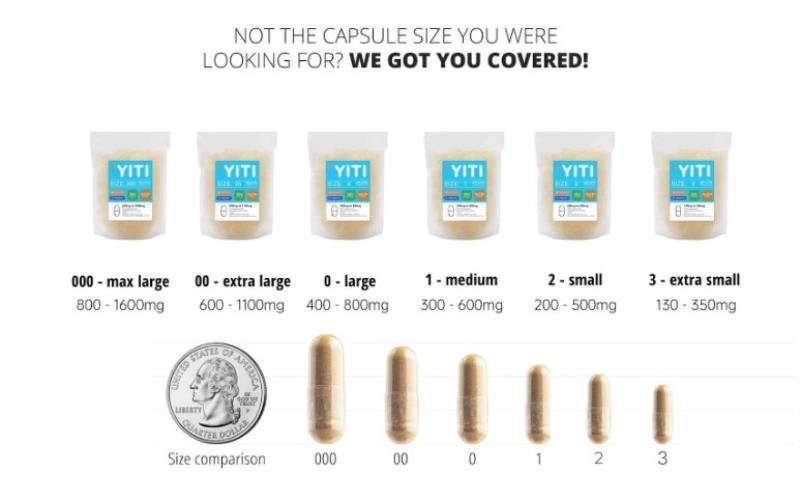
Customizable in size and color to meet medication needs and branding preferences.
Considerations in Capsule Selection
Importance of considering medication requirements and patient dietary restrictions.
Gelatin capsules may not be suitable for vegetarians, vegans, or those with dietary restrictions.
Customization options cater to specific medication dosages and branding needs.
Safety and Handling
Ensuring the safety and proper handling of both filled and empty capsules is paramount for effective medication delivery.
Importance of verifying contents for safety and appropriateness for consumption.
Conclusion
Understanding the properties and types of empty capsules is crucial for healthcare professionals and consumers to ensure optimal treatment outcomes.
Advances in capsule technology offer diverse options, emphasizing the importance of informed choices in medication delivery.