5 Signs It’s Time To Replace Your Automotive V-Belt
 Johnathan Parker |
May 12, 2025 |
8:39 pm
Johnathan Parker |
May 12, 2025 |
8:39 pm
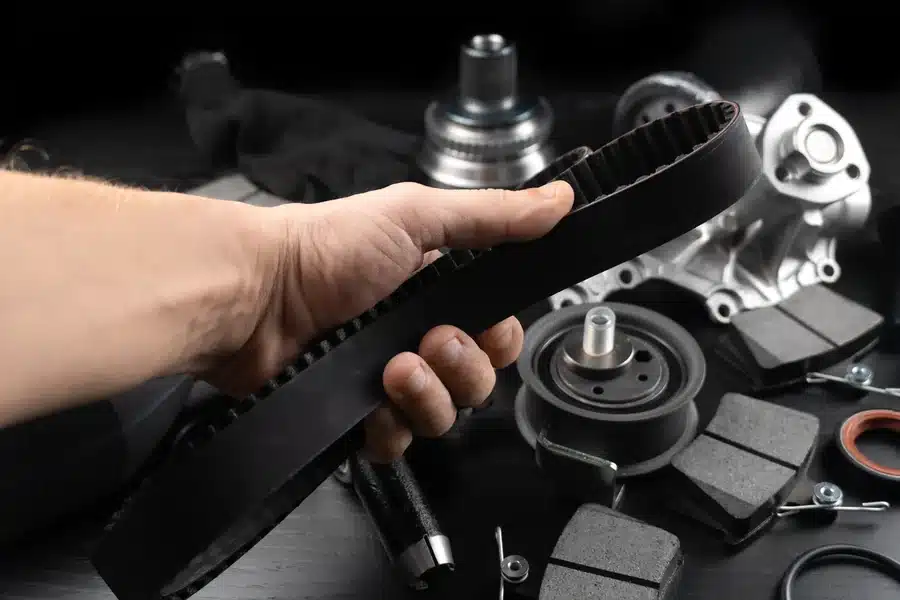
The automotive V-belt is a vital component of a vehicle’s engine system, powering various accessories such as the alternator, air conditioning, and power steering. Like all parts, it is subject to wear and tear and should be checked regularly to avoid sudden failure. Knowing when to replace it is crucial to ensuring the smooth operation of the engine and its accessories. Below are five signs that it’s time for a replacement.
-
Squealing Noises Under the Hood
A high-pitched squealing noise coming from under the hood is often a sign that replacement V belts are needed. This typically happens when the belt slips on the pulleys due to being worn, loose, or out of alignment. If it falls, it fails to grip properly, creating friction that results in the distinctive squeal. If the noise persists, it is important to inspect it for damage and consider replacing it to avoid further issues.
-
Visible Cracks or Wear
V-belts are built to withstand significant stress but wear out over time. If cracks, fraying, or other visible signs of damage are seen along the surface, it’s time to replace them. A damaged one will struggle to perform its duties, potentially leading to a complete failure. Regularly checking for these visible signs ensures timely replacement before they cause problems with the vehicle’s engine.
-
Reduced Performance of Accessories
Constant wearing can compromise the performance of essential accessories such as the alternator, power steering, and air conditioning. If any of these systems begin to underperform, such as dimming lights or difficulty steering, it could indicate that they are not functioning properly. A worn product may not be able to transfer the necessary power to these components, requiring replacement to restore optimal function.
-
Belt Slippage
When a V-belt starts to slip, it can reduce the efficiency of the engine and its accessories. Slippage occurs when the belt loses its ability to effectively drive the pulleys, leading to a noticeable decline in system power and performance. If this issue arises, it is important to inspect the V-belt’s condition and replace it if necessary to maintain optimal functionality.
-
Visible Wear on Pulleys
Pulleys guide and support the V-belt within the engine. If they are damaged or worn, this can place additional strain on them, leading to premature failure. Misalignment or damage to the pulleys can also affect their proper functioning, reducing their lifespan. If the pulleys show signs of wear, both components may need replacement to prevent further engine damage.
Where to Buy a V-Belt
When it’s time to replace the V-belt, it’s crucial to choose a reliable source that offers high-quality, durable options designed to meet the vehicle’s specifications. One option is to explore reputable online suppliers, like those offering a wide range of automotive options. These platforms typically offer a range of V-belt options, including those suited for demanding environments like off-roading.Purchasing from reputable vendors can help ensure that the replacement V belts meet quality standards and are compatible with the vehicle’s specifications. Check product details for compatibility with the vehicle’s make and model. Review customer feedback for assurance on the product’s quality. The V-belt is a critical component that helps power various essential vehicle systems. Selecting a trusted source that provides durable, high-quality products is essential, ensuring they are compatible with the vehicle’s specifications and capable of withstanding the necessary operating conditions. Regular inspections and timely replacements are key to ensuring the smooth functioning of the engine and its accessories.